Thinking about a master of health informatics degree? It’s a field that’s really growing, blending healthcare with technology. If you’re interested in how data and systems can make healthcare better, this could be for you. It’s not just about sitting at a computer; it’s about making a real difference in people’s lives. Let’s look at what a master of health informatics involves and what kind of doors it can open.
Key Takeaways
- A master of health informatics degree combines healthcare knowledge with information technology skills, preparing you for a growing field.
- Choosing the right program means looking at what you’ll learn, who’s teaching, and how flexible the classes are.
- Getting ready for a master of health informatics program involves brushing up on basics like biology and computer science, and understanding how they connect to healthcare.
- With a master of health informatics, you can work in many areas, from hospitals to tech companies, helping to improve how healthcare is delivered.
- The field is always changing, with new things like telehealth and AI becoming more important, so continuous learning is key for a master of health informatics professional.
Understanding the Master of Health Informatics Landscape
So, you’re thinking about getting a Master’s in Health Informatics? That’s a pretty smart move, honestly. This field is all about mixing healthcare knowledge with technology and data, and it’s growing like crazy. It’s not just a niche thing anymore; it’s becoming a big part of how hospitals and clinics work.
Navigating Program Options
When you start looking at Master’s programs, you’ll see a bunch of different ones out there. Some are online, some are in person, and some are a mix. You’ve got programs that focus more on the business side of healthcare IT, while others are super deep into the data analysis or the actual clinical side of things. It’s important to figure out what you want to do after you get the degree, because that will help you pick the right program. Think about whether you want to manage IT projects, analyze patient data, or maybe even help design new healthcare systems. 
- Online Programs: Great for people already working who need flexibility.
- On-Campus Programs: Can offer more direct interaction with professors and classmates.
- Hybrid Programs: A mix of both, giving you some face-to-face time and some online convenience.
Assessing Curriculum and Faculty
Once you’ve got a few programs in mind, you really need to look at what they teach and who’s teaching it. Does the curriculum cover the topics you’re interested in? Things like data management, health information systems, cybersecurity, and analytics are pretty standard, but some programs go deeper into specific areas like public health informatics or clinical informatics. And the professors? See if they have real-world experience in the field. That makes a huge difference when you’re learning practical skills.
| Core Subject Area | Typical Topics Covered |
|---|---|
| Health Information Systems | EHRs, data warehousing, system implementation |
| Data Analytics | Statistics, data mining, predictive modeling |
| Healthcare Operations | Quality improvement, patient safety, workflow analysis |
| Information Governance | Privacy (HIPAA), security, data integrity |
Instructional Methodologies and Flexibility
How the program is taught matters a lot. Are classes live-streamed, or are they pre-recorded lectures you can watch anytime? Are there group projects, case studies, or hands-on labs? The best programs will offer a blend of learning styles to keep things interesting and help you learn in different ways. Also, think about how much time you can commit. Some programs are designed to be finished in a year, while others take two or even three. If you’re working full-time, you’ll definitely want to look for programs that are known for being flexible and understanding of busy schedules.
Choosing the right Master’s program is a big decision. It’s not just about getting a degree; it’s about setting yourself up for a career that can really make a difference in people’s lives. Take your time, do your homework, and find the program that feels like the best fit for you and your goals.
Preparing for Your Master of Health Informatics Journey
So, you’re thinking about diving into a Master’s in Health Informatics? That’s a big step, and like any big step, a little preparation goes a long way. It’s not just about showing up on day one; it’s about making sure you’re ready for what’s ahead. This field really blends two worlds – healthcare and technology – and getting a handle on both before you start can make a huge difference.
Foundational Coursework and Experience
Before you even apply, think about what you already know and what you might need to brush up on. Many programs look for a solid base, so if you haven’t taken courses in things like basic biology, statistics, or even introductory computer science, it might be worth looking into those. It doesn’t have to be a full degree; sometimes a few online courses or even just dedicated self-study can get you up to speed. Having some real-world experience in either a healthcare setting or a tech-related role can also be a big plus. It gives you context for what you’ll be learning.
- Review basic science principles (biology, anatomy).
- Brush up on math and statistics.
- Explore introductory computer science concepts.
- Consider volunteer work or internships in healthcare or IT.
Bridging Healthcare and Information Systems
Health informatics is all about connecting the dots between patient care and the systems that manage health information. You’ll be learning how to make electronic health records work better, how to analyze data to spot trends, and how to keep all that sensitive information safe. It’s a constant balancing act. You need to understand the clinical side – what doctors and nurses actually do – and the technical side – how databases and software function. The ability to translate between these two languages is what makes a health informatics professional truly effective.
Think of it like being a translator. You’re not just speaking medical jargon or tech-speak; you’re understanding both and explaining how they can work together to improve things for patients and providers alike. It requires a unique perspective.
Developing Critical Thinking and Technical Skills
This program isn’t just about memorizing facts; it’s about learning how to solve problems. You’ll be faced with complex datasets and intricate systems, and you’ll need to figure out what they mean and how to use that information. This means honing your analytical skills – looking at data, finding patterns, and drawing conclusions. You’ll also need to get comfortable with various software and tools. Don’t worry if you’re not a coding wizard right now; most programs will teach you what you need to know. The key is being willing to learn and adapt to new technologies as they emerge.
The Evolving Role of Health Informatics
Health informatics isn’t just about computers and data; it’s about making healthcare work better for everyone. Think about how much information is generated every single day in hospitals and clinics. Keeping track of it all, making sure it’s accurate, and then actually using it to help patients is a huge job. That’s where health informatics comes in. It’s a field that’s constantly changing because technology and our understanding of health are always moving forward.
Integrating Technology and Data Analytics
Technology is changing how we approach health. Electronic Health Records (EHRs) are now pretty standard, but they’re just the start. The real magic happens when we can analyze the vast amounts of data these systems collect. This isn’t just about crunching numbers; it’s about finding patterns that can predict outbreaks, identify patients at risk, or even see which treatments are working best. Data analytics in health informatics helps us move from just recording information to actively using it to improve care.
- Streamlining workflows: Making sure doctors and nurses spend less time on paperwork and more time with patients.
- Identifying trends: Spotting patterns in patient data to understand disease spread or treatment effectiveness.
- Personalizing medicine: Using data to tailor treatments to individual patients.
- Improving resource allocation: Understanding where resources are needed most based on patient data and demand.
Improving Patient Care and Outcomes
Ultimately, all this technology and data analysis is aimed at one thing: better patient care. When information is readily available and accurate, healthcare providers can make quicker, more informed decisions. This means fewer errors, more effective treatments, and a better overall experience for the patient. It’s about making sure the right information gets to the right person at the right time.
The goal is to create a healthcare system that is more efficient, safer, and more focused on the individual needs of each patient. This requires a constant effort to adapt and integrate new tools and methods.
Addressing Public Health Challenges
Health informatics plays a big role in public health too. By analyzing data on a larger scale, professionals can help track and manage public health issues like epidemics or chronic disease trends. This information is vital for government agencies and health organizations to develop effective prevention strategies and allocate resources where they’re needed most. It helps us see the bigger picture and respond more effectively to health concerns affecting entire communities.
- Disease surveillance: Monitoring the spread of infectious diseases.
- Population health management: Identifying health needs within specific groups.
- Policy development: Providing data-driven insights for health policy decisions.
- Emergency preparedness: Using data to plan for and respond to health crises.
Career Opportunities with a Master of Health Informatics
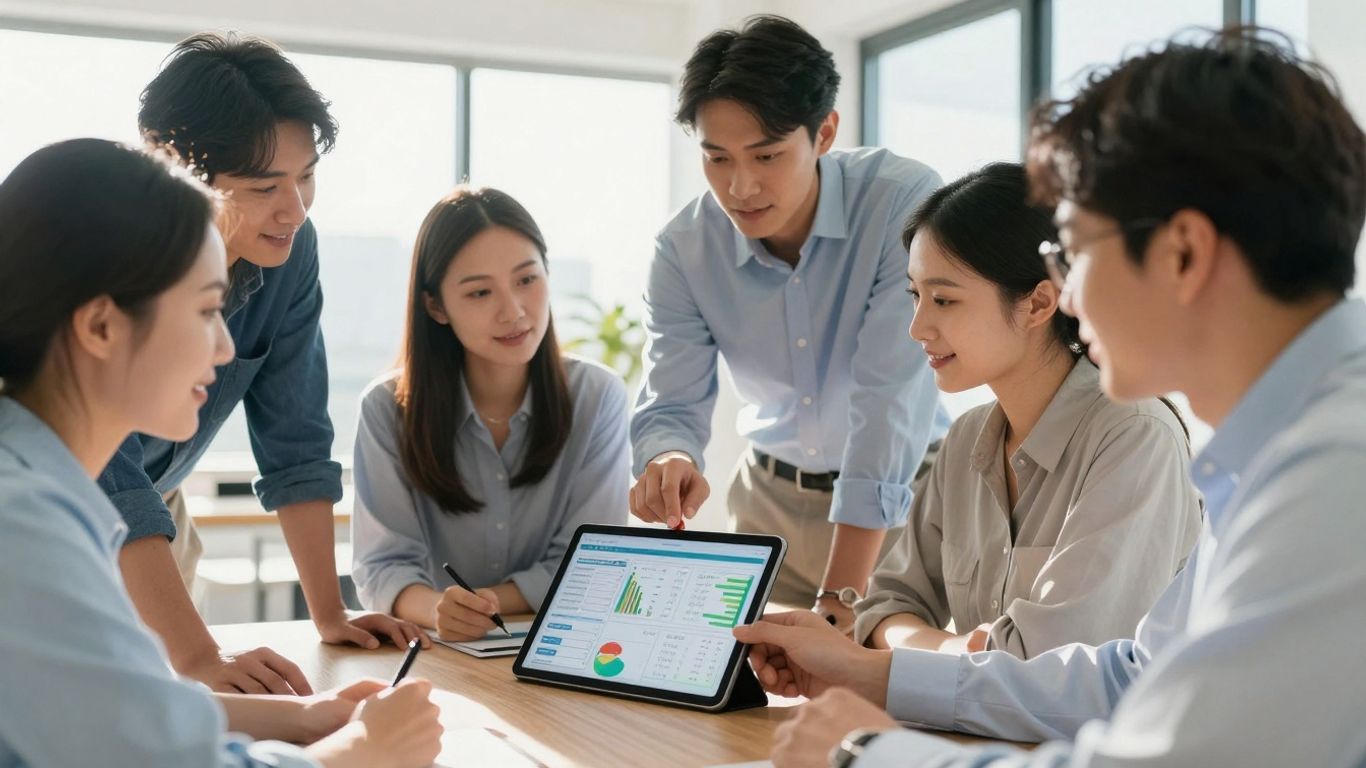
So, you’ve got this Master of Health Informatics degree. What’s next? Well, it turns out there are a lot of doors that open up. It’s not just about sitting behind a desk crunching numbers, though that’s part of it. Think of it as being a translator, but instead of languages, you’re translating complex health data into actionable insights that can actually help people.
Diverse Industry Roles
Graduates from health informatics programs find jobs all over the place. You’re not limited to just hospitals, though that’s a big one. You could end up working for public health agencies, research institutions, or even tech companies that build healthcare software. Some common roles include:
- Clinical Informatics Specialist: This is where you really bridge the gap between the doctors and nurses and the computer systems they use.
- Health Information Manager: You’ll be in charge of keeping patient records organized, secure, and accessible.
- Data Analyst: You’ll sift through all that health data to find trends and patterns.
- IT Project Manager: You’ll oversee the implementation of new health technology.
Advancing Healthcare Delivery
With a Master of Health Informatics, you’re not just getting a job; you’re getting a chance to actually change how healthcare works. The demand for people who can manage and analyze health data is huge, and it’s only going to get bigger. Electronic health records are everywhere now, and someone needs to make sure they’re used effectively and safely. You’ll be involved in designing systems that make patient care better and more efficient. It’s about using technology to make sure people get the right care, at the right time.
The healthcare field is constantly changing, especially with all the new technology popping up. Having a degree in health informatics means you’re ready to jump in and help guide these changes, making things smoother for both patients and providers.
Leadership and Innovation
As you gain experience, there’s a clear path to leadership. You could become a Chief Medical Information Officer, for example, which is a pretty big deal. These roles involve shaping the direction of technology within a healthcare organization and influencing how things are done. It’s about being a problem-solver and a forward-thinker. You’ll be the one figuring out how to use new tools and data to improve patient safety, cut down on costs, and generally make healthcare work better for everyone.
Maximizing Your Impact in Health Informatics
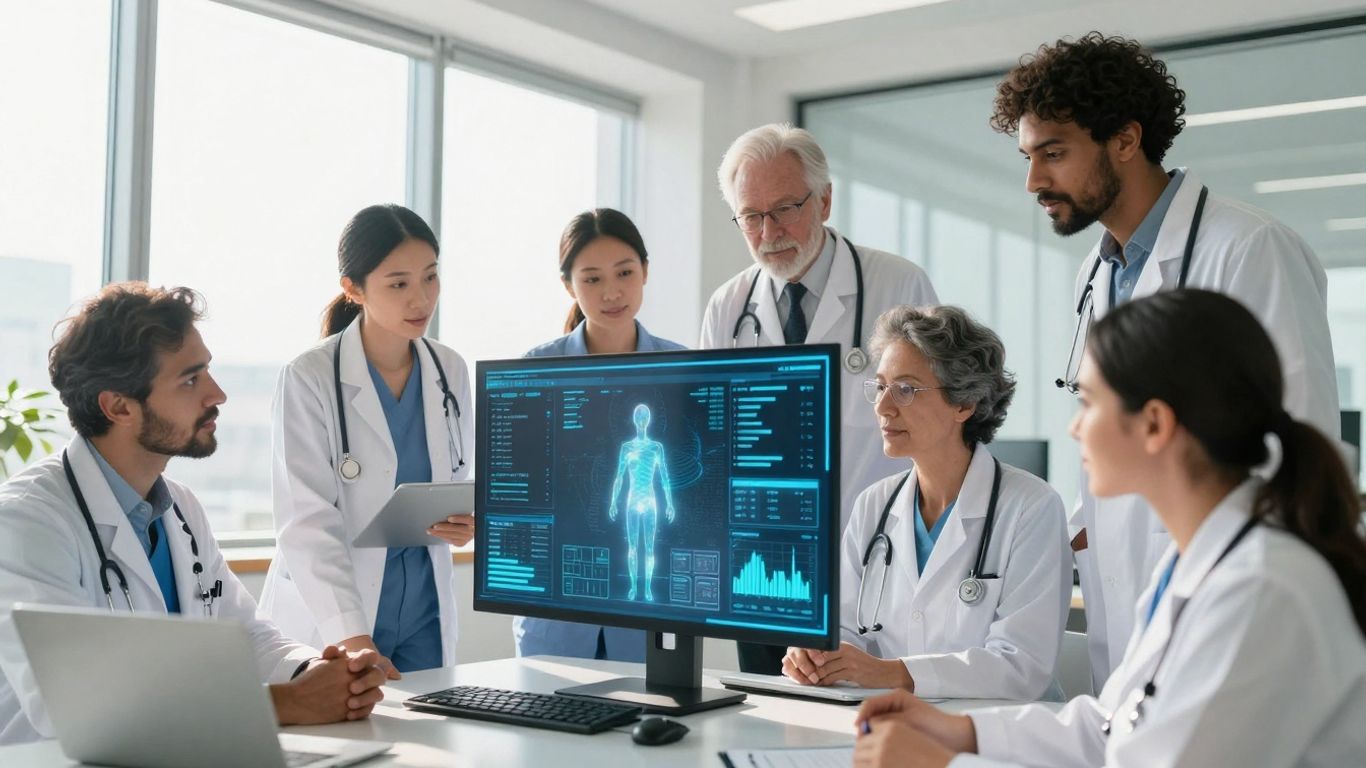
So you’ve got your Master of Health Informatics degree, or maybe you’re well on your way. That’s fantastic! But what comes next? It’s not just about getting the degree; it’s about what you do with it. Think of it as getting the keys to a really advanced toolkit. Now, how do you actually build something amazing with it?
Leveraging Data for Efficiency
Healthcare generates a mountain of data every single day. Your job, in part, is to make sense of it all. This isn’t just about looking at numbers; it’s about finding patterns that can save time, reduce waste, and make things run smoother. For example, analyzing patient flow data in a hospital could reveal bottlenecks that slow down care. By identifying these, you can suggest changes to scheduling or staffing that get patients seen faster and free up resources.
Here’s a quick look at how data can streamline things:
- Patient Wait Times: Track how long patients wait in different departments. Small adjustments can make a big difference.
- Resource Allocation: See which equipment is used most and when. This helps avoid over- or under-stocking.
- Appointment No-Shows: Analyze why people miss appointments. Is it appointment reminders, scheduling conflicts, or something else? Fixing this means fewer wasted slots.
Making healthcare more efficient isn’t just about saving money, though that’s a nice bonus. It’s about making sure that when someone needs care, they can get it without unnecessary delays or hassle. It means the system works better for everyone involved.
Driving Innovation in Healthcare
This field is constantly changing, and that’s where you come in. You’re not just maintaining the status quo; you’re helping to invent the future of healthcare. Think about how electronic health records (EHRs) have changed things. Now, imagine what’s next. Maybe it’s using AI to help doctors diagnose conditions faster, or developing better ways for patients to manage their own health information from home.
Consider these areas where innovation is happening:
- Personalized Medicine: Using genetic data and patient history to tailor treatments. This moves away from a one-size-fits-all approach.
- Predictive Analytics: Using data to forecast disease outbreaks or identify patients at high risk for certain conditions before they become serious.
- Improved Patient Portals: Creating user-friendly platforms that give patients more control and understanding of their health journey.
Continuous Learning and Specialization
Honestly, if you think you’re done learning after getting your degree, you’re going to get left behind. The technology and the way we use data in healthcare are evolving at lightning speed. To stay relevant and truly make a difference, you need to keep learning. This might mean taking short courses, attending workshops, or even going back for more advanced certifications.
Think about specializing in areas like:
- Cybersecurity in Healthcare: Protecting sensitive patient data is more important than ever.
- Data Visualization: Creating clear, understandable charts and graphs that tell a story with the data.
- Clinical Decision Support: Building systems that help doctors and nurses make the best choices at the point of care.
It’s a dynamic field, and your ability to adapt and grow will be key to your long-term success and impact.
The Future of Health Informatics
The world of health informatics isn’t standing still; it’s constantly changing, and that’s kind of exciting. Think about it – how we get healthcare and how information is handled is getting a major tech upgrade. This means new ways to help people and new kinds of jobs for folks who like working with computers and data.
Telehealth and Remote Care
Telehealth is a big one. It’s not just about video calls with your doctor anymore. We’re talking about remote patient monitoring, where devices can track your vitals from home and send that info straight to your care team. This is super helpful for people with ongoing conditions or those who live far from clinics. It means quicker check-ins and potentially catching problems before they get serious. Plus, it makes healthcare more accessible for everyone, no matter where they are.
- Remote patient monitoring systems
- Virtual consultations and follow-ups
- Digital health platforms for patient engagement
The shift towards remote care is reshaping how healthcare providers interact with patients, making continuous monitoring and proactive interventions more feasible than ever before.
Artificial Intelligence in Healthcare
Artificial intelligence, or AI, is starting to pop up everywhere in healthcare. It can help doctors spot diseases on scans faster than the human eye, or it can sort through mountains of patient data to find patterns that might lead to new treatments. AI can also help manage hospital schedules or predict when a patient might need more attention. It’s like having a super-smart assistant for healthcare professionals. It’s still early days, but the potential is huge for making care more precise and efficient.
Data Security and Patient Privacy
As we collect more and more health data, keeping it safe and private becomes incredibly important. Think about all the sensitive information in electronic health records. Health informatics professionals are on the front lines of making sure this data is protected from hackers and that patient privacy is respected. This involves setting up strong security systems and following strict rules. It’s a constant challenge, but it’s absolutely necessary for building trust in digital health systems.
| Area of Focus | Key Considerations |
|---|---|
| Data Encryption | Protecting data at rest and in transit |
| Access Controls | Limiting who can see patient information |
| Compliance | Adhering to regulations like HIPAA |
Wrapping It Up
So, getting a Master’s in Health Informatics really puts you in a spot to make a difference. It’s a field that’s growing fast, mixing healthcare with all sorts of tech and data stuff. You’ll learn how to handle information, make systems work better, and ultimately help improve how people get care. Whether you’re already in healthcare or looking to switch gears, this degree can open up a lot of doors to interesting jobs. It’s a solid choice if you like solving problems and want to be part of shaping how healthcare works in the future.
Frequently Asked Questions
What exactly is health informatics?
Think of health informatics as the bridge between health care and technology. It’s about using computers and digital tools to manage health information, making it easier to care for people and keep their health records safe. It helps doctors and nurses work together better and makes health care run more smoothly.
What do you learn in a health informatics master’s program?
You’ll learn how to handle health information using technology. This includes things like understanding computer systems, how to analyze health data to find patterns, keeping patient information private and secure, and how new tech like artificial intelligence can help in hospitals.
What kind of jobs can I get with a Master of Health Informatics degree?
You can get many different jobs! You could work in a hospital managing health records, help design new health technology, analyze data to improve patient care, or even work for companies that make health software. It’s a field with lots of options.
Do I need to be a doctor or nurse to work in health informatics?
Not at all! While it helps to understand health care, you don’t need to be a medical professional. Many people in health informatics come from backgrounds in computer science, business, or information technology. It’s more about understanding how to use technology to help health care.
Is health informatics a growing field?
Yes, it’s growing very fast! As more and more health care relies on technology and data, there’s a big need for people who understand both health and computers. This means more job opportunities and a chance to make a real difference.
What’s the difference between health informatics and just working with computers?
Health informatics is special because it focuses specifically on health care. While it uses computer skills, the goal is always to improve patient health, make hospitals more efficient, and ensure health information is used correctly and safely. It’s about applying tech knowledge to the world of medicine.