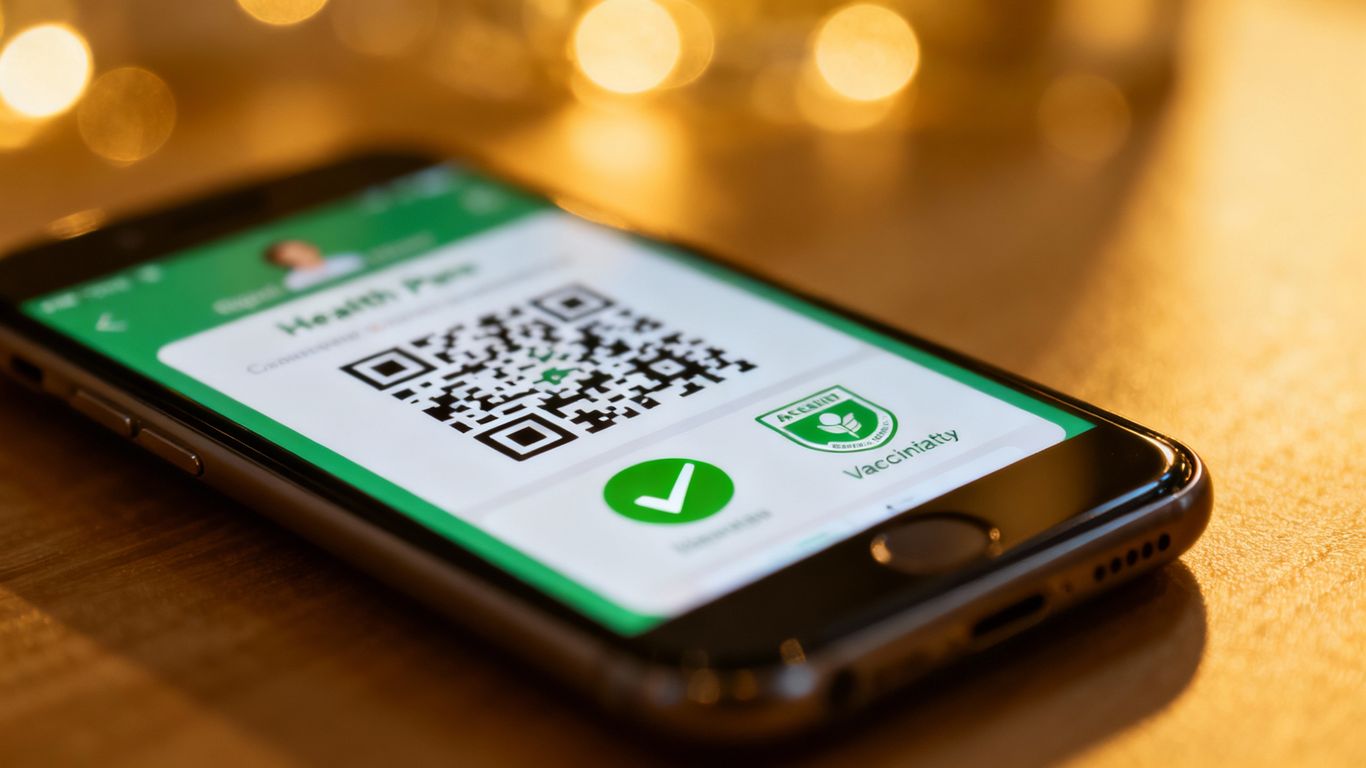
Australia’s push towards a digital future in healthcare is a big deal. It’s not just about new gadgets; it’s about how we can make things work better for everyone, from doctors and nurses to patients. This strategy is trying to get everyone on the same page, looking at what’s worked before and figuring out the best way forward. We’re talking about making sure information can move smoothly between different systems, using smart technology to help doctors make good decisions, and generally making healthcare more accessible and efficient. It’s a complex puzzle, but the goal is clear: a healthier Australia through better digital tools.
Key Takeaways
- The core of Australia’s national digital health strategy is built on strong leadership and a clear vision for how technology can improve healthcare services.
- Key elements driving this transformation include making different health systems talk to each other (interoperability) and using artificial intelligence to aid doctors.
- Collaboration is a big part of this, with efforts to support new digital health companies and build partnerships to improve the overall health system.
- Workshops and discussions are happening to get feedback on things like digital readiness, fixing referral processes, and using digital tools to make healthcare better.
- A major focus is on the people involved – making sure patients have a say, using technology to help reduce stress for healthcare workers, and making sure everyone can access these digital health services.
Foundations Of Australia’s National Digital Health Strategy
Australia’s push towards a digitally connected healthcare system isn’t just about new gadgets; it’s built on a vision for a healthier future for everyone. This strategy is about making sure technology serves people, improving how we get care and what outcomes we can expect. It’s a big undertaking, aiming to weave digital tools into the very fabric of our health services.
Leadership and Vision in Digital Health
Getting a national digital health strategy off the ground requires strong leadership and a clear picture of where we’re headed. Think of it like planning a long road trip; you need a good driver and a map. Australia has seen leaders step up, shaping the direction and bringing different parts of the health system together. These individuals and groups are working to make sure digital health efforts align with broader health goals. 
- Setting the National Agenda: Key government bodies and agencies are tasked with guiding the overall direction.
- Industry Collaboration: Partnerships with tech companies, research institutions, and healthcare providers are vital for bringing ideas to life.
- Expert Input: Drawing on the knowledge of clinicians, patients, and technologists helps refine the strategy.
The focus is on creating a system that is not only technologically advanced but also accessible and beneficial to all Australians, regardless of where they live or their personal circumstances.
Past Strategies and Future Directions
This isn’t the first time Australia has looked at digital health. Previous efforts have laid some groundwork, and lessons learned are shaping what comes next. The current strategy builds on these past experiences, aiming to address what worked and what didn’t. It’s about evolving, not starting from scratch. The goal is to create a more connected and efficient health system for the long haul. You can find more about the overarching aims on the Australian Digital Health Agency website.
The Role of Key Organisations and Individuals
Making a national strategy a reality involves many players. The Australian Digital Health Agency, for instance, plays a central role in developing and implementing digital health standards and services. But it’s not just one group; think of a symphony orchestra. You have different instruments (organisations) playing their part under the direction of a conductor (leadership vision). This includes state and territory health departments, research bodies, and even private sector innovators. Their combined efforts are what will move digital health forward across the country.
Key Pillars Driving Digital Health Transformation

Australia’s National Digital Health Strategy isn’t just about new gadgets; it’s built on some core ideas that make everything else work. Think of these as the main supports holding up the whole digital health structure.
Interoperability and Data Sharing
This is a big one. For digital health to really make a difference, different systems need to be able to talk to each other. Your GP’s system needs to share information with the hospital’s system, and maybe even with a specialist you see. This means patient records aren’t stuck in one place. When data can flow freely and securely, it means doctors have a more complete picture of your health. This stops you from having to repeat your medical history over and over and reduces the chance of mistakes.
- Standardised Data Formats: Agreeing on common ways to record information so systems understand it.
- Secure Data Exchange: Making sure that when data is shared, it’s protected from unauthorized access.
- Patient Consent Management: Giving individuals control over who sees their health information and when.
Without good interoperability, digital health tools can end up creating more silos, not fewer. It’s like having a bunch of smart devices that can’t connect to your Wi-Fi – they’re just not that useful.
Leveraging Artificial Intelligence in Healthcare
Artificial Intelligence, or AI, is starting to pop up in a lot of places in healthcare. It’s not about robots taking over doctor’s jobs, but more about using smart computer programs to help out. AI can look at huge amounts of data, like scans or patient histories, much faster than a human can. This can help spot patterns that might be missed, leading to earlier diagnoses or better treatment plans.
- Diagnostic Assistance: AI can help radiologists spot anomalies in X-rays or scans.
- Predictive Analytics: Identifying patients at higher risk for certain conditions before they become serious.
- Personalised Medicine: Tailoring treatments based on an individual’s genetic makeup and health data.
Enhancing Clinical Decision Support Systems
These are tools that help doctors and nurses make better decisions at the point of care. Think of them as smart assistants built into the software they use every day. When a doctor is looking at a patient’s record, a clinical decision support system might flag a potential drug interaction, suggest a relevant guideline, or remind them about a necessary test. It’s about providing the right information at the right time to improve patient safety and care quality.
Here’s how they work:
- Data Input: The system takes in patient information from electronic health records.
- Analysis: It compares this data against medical knowledge bases, guidelines, and research.
- Alerts & Recommendations: It provides alerts or suggestions to the clinician.
- Clinician Action: The clinician reviews the information and makes an informed decision.
Innovation and Collaboration in Digital Health
Fostering Digital Health Startups and Technologies
Australia’s digital health scene is buzzing with new ideas. It’s not just about big government projects; a lot of the real change is happening with smaller companies and researchers trying out new tech. Think apps that help manage chronic conditions, or smart systems that can spot health issues early. The goal is to make healthcare more accessible and efficient for everyone.
We’re seeing a rise in companies focusing on specific problems, like making it easier for patients to connect with specialists remotely or using data to predict outbreaks. It’s a dynamic space, and the National Digital Health Strategy aims to support this growth.
- Incubator Programs: These offer resources and mentorship to early-stage digital health ventures.
- Grant Funding: Specific grants are available for developing and testing new digital health solutions.
- Regulatory Sandboxes: These allow new technologies to be tested in a controlled environment before full rollout.
The pace of technological change means we need environments where new ideas can be explored safely and effectively. This helps bring useful tools to patients and clinicians faster.
Building Partnerships for Health System Advancement
No single group can fix all of healthcare’s digital challenges. That’s why working together is so important. It means doctors, nurses, tech developers, researchers, and even patients need to be in the same room, talking about what works and what doesn’t.
We’ve seen how well this can work. For example, a partnership between a hospital and a software company might lead to a better way for doctors to share patient records, cutting down on errors and saving time. These collaborations are key to making sure new digital tools actually fit into how healthcare is delivered every day.
Here are some ways partnerships are making a difference:
- Clinician-Developer Co-design: Frontline health workers collaborate directly with tech teams to build tools that meet real needs.
- Research-Industry Alliances: Universities and tech companies team up to test and refine new digital health interventions.
- Cross-Jurisdictional Projects: Different states or territories might work together on shared digital health platforms.
Real-World Case Studies and Implementations
Talking about innovation is one thing, but seeing it in action is another. Australia has some great examples of digital health projects that are already making a difference.
Consider the rollout of telehealth services during recent years. What started as a necessary measure quickly became a popular way for many Australians to access care, especially those in rural areas. Another example is the use of secure messaging systems that allow GPs to send patient information to specialists quickly and safely.
| Project Type | Key Benefit | Implementation Area | Status |
|---|---|---|---|
| Telehealth Expansion | Improved access for remote patients | National | Ongoing |
| Secure Messaging Systems | Faster specialist referrals, reduced errors | State-wide | Established |
| AI Diagnostic Support | Early detection of certain medical conditions | Pilot Programs | Testing |
These examples show that when we combine smart technology with practical needs and good planning, digital health can truly improve how we receive and give care.
Workshops and Focus Groups: Shaping the Future

Getting everyone involved is a big part of making sure Australia’s digital health plan actually works for people. That’s where these workshops and focus groups come in. They’re not just for show; they’re where the real work happens to figure out what we need and how to get there.
Digital Infrastructure Readiness
We need to know if our current systems can handle the changes coming. This means looking at everything from internet speeds in rural areas to the computers in clinics. Are they up to date? Can they talk to each other? It’s about making sure the basic building blocks are solid before we try to build something fancy on top.
Here’s a quick look at what we’re checking:
- Network capacity and reliability
- Device compatibility and security
- Data storage and backup solutions
- User access and authentication methods
Thinking about digital infrastructure can feel a bit dry, but it’s the bedrock of everything else. If the pipes aren’t working, you can’t get the water through, no matter how good the water is.
Addressing Referral Workflow Challenges
Anyone who’s worked in healthcare knows how messy referrals can get. Sending patient information from one doctor to another, or to a specialist, can be a real headache. This part of the strategy looks at how digital tools can smooth out these bumps. We’re talking about making sure the right information gets to the right person at the right time, without getting lost in the shuffle. It’s about cutting down on delays and making sure patients get the care they need faster.
Improving Healthcare Delivery Through Digital Tools
This is where we get practical. How can technology actually make healthcare better for patients and doctors? We’re exploring things like using AI to help doctors make quicker, more informed decisions, or using digital platforms to keep track of patient progress. It’s about finding real-world uses for these new technologies that have a clear benefit. We want to see how digital tools can help spot problems earlier, manage chronic conditions more effectively, and generally make the whole system run more smoothly for everyone involved.
The Human Element in Digital Health
It’s easy to get caught up in the shiny new tech and think digital health is all about algorithms and screens. But let’s be real, healthcare is fundamentally about people. We need to make sure that as we bring more digital tools into the picture, we’re not leaving anyone behind or making things harder for the folks actually doing the work.
Prioritising Patient Voices in Innovation
When we talk about digital health, the patient should always be front and center. It’s not just about building apps or systems; it’s about how these tools actually help people manage their health better, understand their conditions, and feel more in control. We need to actively ask patients what they need and what works for them, not just guess.
- Gathering Feedback: Regularly ask patients about their experiences with digital health tools. This can be through surveys, focus groups, or even just informal chats.
- Co-designing Solutions: Involve patients in the design process from the start. They know their needs best.
- Accessibility Checks: Make sure digital tools are easy to use for everyone, regardless of their tech skills or physical abilities.
We often see images of young, tech-savvy individuals using digital health tools. But what about older adults, people with disabilities, or those in rural areas? Their needs are just as important, and digital solutions must be designed with them in mind.
Addressing Clinician Burnout with Technology
Doctors, nurses, and other healthcare professionals are feeling the strain. The idea that technology can help by cutting down on paperwork and administrative tasks sounds great, but sometimes it just adds another layer of complexity. The goal should be to use digital tools to free up clinicians’ time, not to bury them in more data entry or troubleshooting.
- Streamlining Workflows: Digital systems should simplify tasks like record-keeping and communication.
- Smart Tools: AI-powered tools can help with things like summarizing patient notes or flagging important information, saving precious time.
- Training and Support: Clinicians need proper training and ongoing support to use new technologies effectively without adding to their workload.
Ensuring Equitable Access to Digital Health
This is a big one. Digital health has the potential to reach more people, but it can also make existing inequalities worse if we’re not careful. Not everyone has reliable internet access, a smartphone, or the digital literacy to use these tools. We have to think about how to bridge these gaps.
| Group | Potential Barriers to Digital Health Access | Percentage Affected (Estimated) |
|---|---|---|
| Older Adults | Low digital literacy, cost of devices | 30% |
| Rural Communities | Poor internet connectivity, travel distance | 15% |
| Low Socioeconomic Status | Cost of devices, data plans, literacy | 20% |
| People with Disabilities | Accessibility of interfaces, device types | Varies by disability |
The digital health strategy must have a clear plan to reach those who are most likely to be excluded. This means thinking beyond just the technology itself and considering the broader social and economic factors that affect access.
The Evolving Landscape of Digital Health Leadership
Skills and Mindsets for Future Leaders
Leading in digital health today means more than just understanding technology. It’s about having a vision for how digital tools can actually improve patient care and make things run smoother for everyone involved. We need leaders who can think ahead, who aren’t afraid to try new things, and who can bring different groups of people together. This isn’t just about IT departments anymore; it’s about everyone in healthcare understanding and using these new tools. The people in charge need to be good communicators, able to explain complex ideas simply, and ready to adapt when things change, which they always do in this field.
- Adaptability: Being able to pivot quickly when new technologies emerge or when strategies need adjustment.
- Vision: Seeing the potential for digital tools to transform healthcare delivery and patient outcomes.
- Collaboration: Working effectively with clinicians, IT professionals, patients, and policymakers.
- Ethical Awareness: Understanding the implications of data privacy, security, and equitable access.
The Impact of Digital Transformation on Healthcare
Digital transformation is changing how healthcare is provided, from the doctor’s office to the hospital ward. Think about telehealth appointments, which became a big deal recently, or how electronic health records are making information more accessible. This shift means leaders need to guide their organizations through these changes, making sure the technology actually helps rather than hinders. It’s about making sure that as we adopt new digital methods, we don’t lose sight of the human side of care. The goal is to use technology to support better health outcomes for all Australians.
The rapid integration of digital solutions has reshaped patient interactions and operational workflows. Leaders must now champion a culture that embraces these changes, focusing on practical application and continuous improvement to truly benefit the healthcare system.
Ethical Design and Clinician Collaboration
When we build new digital health tools, we have to think carefully about who is using them and how. It’s not enough for a tool to be technically sound; it needs to be easy for doctors and nurses to use in their busy days, and it must respect patient privacy. This means getting clinicians involved right from the start, not just as an afterthought. They know what works on the ground. We also need to consider fairness – making sure that everyone, no matter where they live or their background, can benefit from these digital advancements. It’s a balancing act between innovation and responsibility.
| Area of Focus | Key Considerations |
|---|---|
| Patient Privacy | Robust data protection measures and transparent consent processes. |
| Usability for Clinicians | Intuitive interfaces and integration into existing workflows. |
| Accessibility | Designing for diverse user needs and ensuring equitable access across different demographics. |
| Security | Protecting sensitive health information from breaches and cyber threats. |
Looking Ahead
So, where does all this leave us? The National Digital Health Strategy isn’t just a document; it’s a roadmap for how Australia plans to use technology to make healthcare better for everyone. We’ve seen how much progress has been made, from improving how patient information is shared to exploring new tools like AI. But there’s still work to do. Getting everyone on board, making sure the tech actually helps doctors and patients, and keeping data safe are big tasks. It’s going to take continued effort and collaboration from all sides – government, health providers, tech companies, and us, the patients. The goal is clear: a healthier future for Australia, powered by smart, connected digital health.
Frequently Asked Questions
What is Australia’s National Digital Health Strategy all about?
Think of it as a big plan to make healthcare in Australia better by using technology. It’s about making sure doctors, nurses, and patients can easily share important health information using computers and the internet. The goal is to make healthcare safer, more efficient, and easier for everyone to access.
Why is sharing health information important?
When health information can be shared easily and securely between different doctors or hospitals, it helps them make better decisions about your care. It means they have a complete picture of your health history, avoiding repeated tests and ensuring you get the right treatment faster. It’s like having all your important notes in one place so anyone helping you can see what they need.
How will technology like AI help in healthcare?
AI, or artificial intelligence, can help doctors by looking at lots of health information very quickly. It can help spot patterns that humans might miss, like early signs of a disease. It can also help with tasks like scheduling appointments or managing patient records, freeing up doctors and nurses to spend more time with patients.
What does ‘interoperability’ mean in digital health?
Interoperability basically means that different computer systems used in healthcare can talk to each other and share information smoothly. Imagine if your phone could instantly share photos with your friend’s tablet without needing special apps – that’s the idea behind interoperability for health systems. It ensures that information flows freely and securely.
How does this strategy involve patients?
The strategy makes sure that what patients need and want is at the center of all the new digital health ideas. It’s important that technology makes healthcare easier and more helpful for people, not harder. So, listening to patients’ experiences and ideas is a key part of making these changes work well for everyone.
Will everyone be able to use these new digital health tools?
A big part of the plan is to make sure that everyone, no matter where they live or what their situation is, can benefit from digital health. This means thinking about people in rural areas, older adults, or those who might not be as comfortable with technology, and finding ways to include them so no one gets left behind.