

So, I checked out what went down at the big digital health conferences in 2025. It feels like everyone’s talking about the same stuff, but there are some real nuggets of information if you dig a bit. We’re seeing a lot of focus on making things work better, especially with technology. It’s not just about new gadgets; it’s about how we actually use them to help people get healthier and make the whole system run smoother. Let’s break down some of the main points that came up.
Key Takeaways
- Continuous monitoring is changing how we look after people’s health, moving from reacting to problems to catching them early. This means more data, all the time, and new ways to use it.
- Virtual care is getting serious. It’s not just a backup anymore; systems are figuring out how to use one platform for lots of different needs, even across many hospitals, to make things more efficient.
- AI is showing up everywhere, especially in helping patients through their health journeys. The idea is to connect care teams better and turn all that health data into actual actions that help.
- Building a solid case for digital health stuff is still a big deal. It’s about asking the right questions and telling a clear story about why it’s worth the money, not just showing numbers.
- Actually getting remote patient management (RPM) programs to work smoothly is tough. There are different ways to set them up, and each has its own challenges and benefits that you have to figure out.
Transforming Healthcare With Continuous Monitoring

Always On: How Continuous Health Data Is Transforming Care
It feels like just yesterday we were talking about basic telehealth, and now? We’re deep into continuous health monitoring. This isn’t just about wearing a smartwatch anymore; it’s about a constant stream of data that’s changing how doctors and patients interact. Think about it: instead of waiting for a check-up to find out something’s wrong, we’re getting real-time alerts. This shift is huge for managing chronic conditions and even catching serious issues before they become emergencies. The sessions at Digital Health Conferences 2025 really hammered this home. We heard about how this constant data flow is flipping the script on traditional care models, helping people build better habits and giving clinicians a much clearer picture of what’s happening day-to-day. It’s about moving from reactive care to proactive wellness. 
Key takeaways from the discussions included:
- Predictive analytics: Using data patterns to foresee potential health problems.
- Personalized interventions: Tailoring treatments based on individual, real-time data.
- Patient engagement: Empowering individuals with their own health information.
The sheer volume of data generated by continuous monitoring devices presents both an opportunity and a challenge. Effectively analyzing and acting upon this information requires robust infrastructure and intelligent systems.
This constant flow of information is also paving the way for new kinds of health solutions, especially for specific populations. We saw a lot of focus on how these technologies can be adapted for women’s health, addressing unique needs with tailored digital tools. It’s a big step towards making healthcare more accessible and responsive for everyone. For a look at some of the executive insights from these kinds of events, check out HLTH 2025 trends.
The Future of Women’s Digital Health Solutions
When we talk about continuous monitoring, it’s important to highlight how it’s being applied to specific health needs. Women’s health, in particular, is seeing a surge in digital innovation. Conferences showcased solutions designed to track things like menstrual cycles, fertility, pregnancy, and menopause with a level of detail never before possible. These aren’t just generic apps; they’re becoming sophisticated tools that can offer personalized insights and support throughout different life stages. The goal is to provide women with more control and better information about their bodies, leading to more informed conversations with their healthcare providers. It’s about building a digital health ecosystem that truly understands and addresses the diverse needs of women.
Visioning Healthcare’s Next Decade
Spotlight Panel: Healthcare 2035 – A Vision for the Next Decade
This session really got me thinking about where we’re headed. It wasn’t just a bunch of tech talk; it was more about the big picture, the kind of healthcare we’ll all be experiencing in about ten years. The speakers, a mix of policy folks and content programmers, talked about how things are changing fast. They painted a picture of a future where technology isn’t just an add-on, but woven into the fabric of how we get care. It’s about making healthcare more accessible and, hopefully, more effective for everyone.
We heard about a few key areas that seem to be shaping this future:
- Personalized Medicine: Imagine treatments tailored specifically to your genetic makeup and lifestyle. This is moving beyond a buzzword to something more concrete.
- Proactive Health Management: Instead of just reacting to sickness, the focus is shifting to keeping people well through continuous monitoring and early intervention.
- Integrated Digital Ecosystems: Think about all your health information living in one place, easily accessible by you and your care team, no matter where you are.
The discussions highlighted that while the technology is exciting, the real challenge lies in making sure it benefits patients and providers alike, without leaving anyone behind. It’s a complex puzzle with many pieces.
The Future of Health Track
This track felt like a deep dive into the practical side of that future vision. It wasn’t just about what could happen, but what’s actually happening now and what needs to happen next. A lot of the conversations circled back to how we can make these advanced ideas work in the real world, day in and day out.
We saw some interesting breakdowns of how different health systems are approaching these big changes. For instance, one session talked about scaling virtual care programs across a huge network of hospitals. It wasn’t just about having the tech, but about figuring out the best way to manage it all, from training staff to making sure the technology actually helps patients. They shared some real numbers on how they’re trying to standardize things while still being flexible enough for different needs across their locations. It sounds like a massive undertaking, but they’re making progress.
Another part of the track focused on building the case for digital infrastructure. It’s not enough to have a cool idea; you need to convince people with the money that it’s worth investing in. They discussed how to talk about the financial side of things, showing the return on investment in ways that make sense to hospital leaders. It seems like a big part of this is learning to tell a good story with the data, connecting the dots between patient outcomes and the bottom line. It’s a skill that’s becoming more important as digital health becomes a bigger part of the picture.
Scaling Virtual Care and Digital Infrastructure
It’s no secret that virtual care has exploded, but making it work across a whole hospital system? That’s a whole different ballgame. This year’s digital health conferences really dug into how to move beyond just pilot programs and actually get virtual care humming across multiple sites. We’re talking about making one platform do a lot of different jobs, from keeping an eye on patients at home to helping nurses manage things remotely.
Virtual Care at Scale: One Platform, Many Use Cases
Several health systems shared how they’re using a single, unified platform to handle a bunch of different virtual care needs. Think virtual nursing, patient check-ins, and even remote monitoring, all managed through one system. The goal is pretty clear: better patient results, happier staff, and a healthier bottom line. It’s about making the hospital of the future a reality, today.
Scaling Virtual Programs Across 47+ Hospitals
Taking virtual care to over 47 hospitals isn’t just about plugging in new tech. It’s about figuring out how to make it work everywhere, even when each place has its own quirks. This involves standardizing things where you can, but also keeping some flexibility. We heard about how Ochsner Health is tackling this, looking at everything from the tech itself to how providers deliver care in different areas. They’re even expanding services beyond what you might expect, like telestroke, to meet specific needs across their network.
Infrastructure & Standardization at Scale
When you’re trying to roll out digital care across many locations, you need a solid plan for the tech backbone. This means creating guides for how to set things up, how to pick the right technology, and how to make workflows consistent. A big part of this is making sure it all talks to your existing electronic health records (EHRs). Plus, AI is starting to play a bigger role in making all this infrastructure work better as it grows.
Here’s a look at some key areas discussed:
- Deployment Playbooks: Step-by-step guides for setting up infrastructure in multiple places.
- Technology Scorecards: Tools to help evaluate and compare different tech solutions.
- Standardization Templates: Ready-to-use formats for consistent workflows.
- EMR Integration Strategies: Plans for connecting new systems with existing patient records.
The push for standardization isn’t about making everything identical, but about creating a reliable foundation that allows for flexibility and adaptation across diverse settings. It’s about building systems that can grow and change with the needs of both patients and providers.
This whole area is growing fast, with the healthcare IT market expected to hit over $172 billion by 2026. It shows just how much innovation is happening and how important it is for leaders to keep up with the changing landscape of healthcare technology.
AI’s Role in Enhancing Patient Journeys
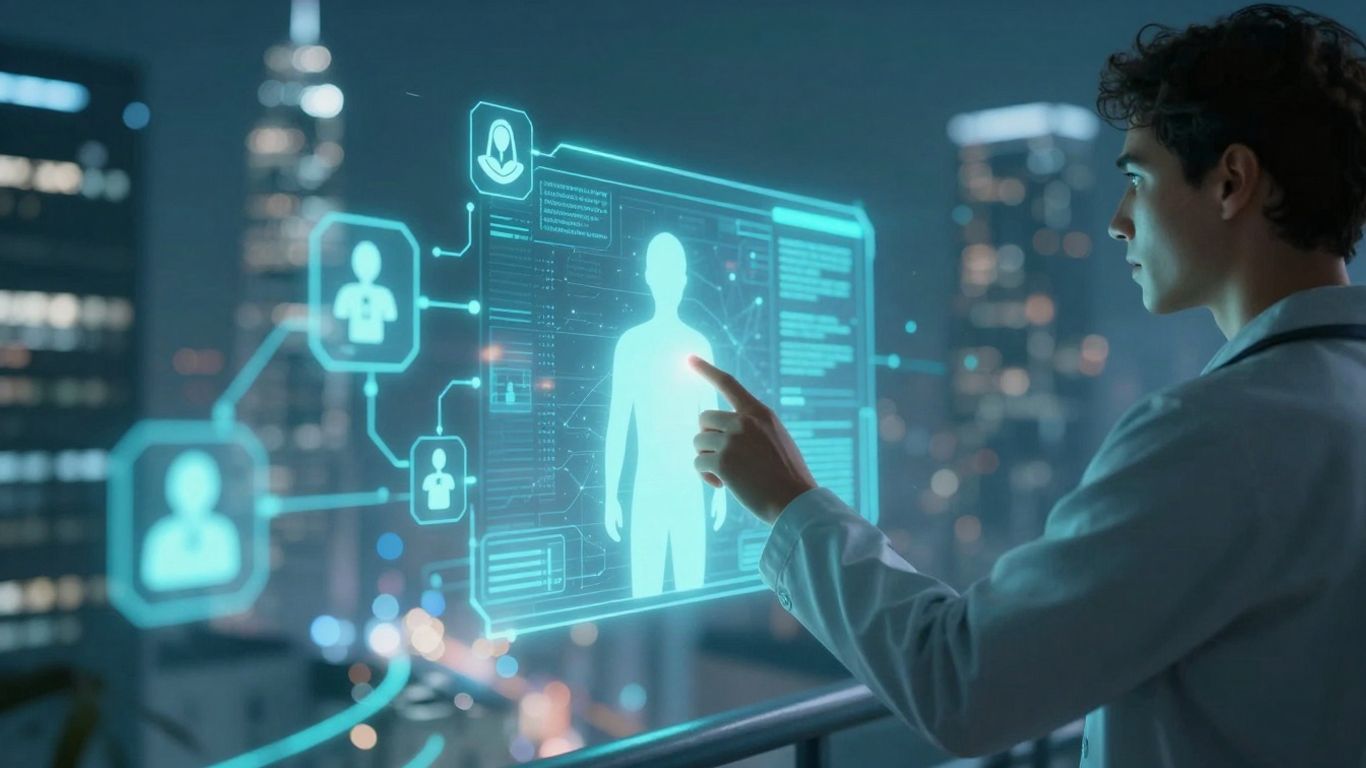
Artificial intelligence is no longer just a buzzword in healthcare; it’s actively reshaping how patients experience care, making things smoother and more connected. We’re seeing AI move beyond the theoretical and into practical applications that touch patients from their first interaction to their recovery.
Deploying AI Infrastructure Across the Enterprise
Getting AI systems up and running across a whole healthcare organization is a big undertaking. It’s not just about the technology itself, but how it fits into existing workflows and how staff can use it effectively. The goal is to create a more personalized and efficient patient experience, from the moment they first engage with the system all the way through their care journey. This involves careful planning and integration to make sure AI supports, rather than complicates, the process. The real win is when AI helps connect different parts of care delivery, making the patient’s path feel less fragmented.
Designing the Next Generation of Remote Patient Management: Using AI Agents to Connect Care Teams and Turn Data into Action
Remote patient management (RPM) has come a long way, but a common hurdle is making sense of all the data collected and turning it into actual care actions. This is where AI agents are starting to make a difference. Instead of just collecting numbers, these AI tools can help connect care teams and patients more effectively. They can flag important changes, suggest next steps, and help coordinate care, turning raw data into actionable insights.
Here’s a look at what’s being explored:
- Identifying Use Cases: Figuring out where AI can best help in care management and when a patient might need more attention.
- Measuring What Works: Developing ways to track if AI is improving performance, keeping patients safe, and showing a good return on investment.
- Aligning Efforts: Making sure the technology, the way care is delivered, and the rules around it all work together, especially in the early stages of development.
The focus is shifting from just having data to actively using it to improve patient outcomes. This means building systems that can intelligently process information and prompt the right interventions at the right time, creating a more proactive approach to health management. This kind of intelligent support can be a game-changer for outpatient journey optimization.
This approach aims to create a more responsive and connected care model, where continuous monitoring data directly informs timely, team-based interventions. It’s about making RPM work smarter, not just harder, to support better health outcomes in a sustainable way.
Building Robust Digital Health Business Cases
So, you’ve got this amazing digital health idea, right? It’s going to change everything. But then comes the hard part: convincing everyone else, especially the folks signing the checks. This section of the conference really dug into how to make that happen. It’s not just about having a good concept; it’s about speaking the language of finance and strategy.
Asking the Right Questions: Framing Your Digital Infrastructure Business Case
This was less about getting a magic answer and more about learning how to ask the right questions. Dr. Ethan Booker from MedStar Health talked about how every organization is different. You can’t just copy-paste a business case. It depends on whether you’re paid for volume or for keeping people healthy, if your team is all in one place or spread out, and what different leaders actually care about. He gave us a framework for asking questions, which is way more useful than a one-size-fits-all template. It helps you figure out what really matters for your specific situation when you’re thinking about investing in new digital tools. It’s about understanding the unique path your organization needs to take.
Financial Storytelling & ROI Development
This is where you take that solid business case and make it sing. We looked at how to build stories that actually connect with different people. You know, the CFO wants to see numbers, the CNO wants to know about patient and staff impact, and the CEO needs the big picture. It’s about translating things like better patient outcomes or reduced readmissions into actual dollars and cents. We discussed what’s different about calculating returns for digital stuff compared to, say, a new MRI machine. It’s also important to think about how these programs will keep going after the initial pilot money runs out. Demonstrating long-term sustainability is key to getting buy-in.
Here’s a quick look at what goes into a strong financial story:
- Know Your Audience: Tailor your message. What keeps the CFO up at night? What are the CNO’s priorities?
- Quantify the Impact: Don’t just say it’s better; show how much better. Use data to link quality improvements to financial gains.
- Address the Long Game: How will this be funded and sustained beyond the initial investment?
- Highlight Strategic Alignment: Show how the digital initiative supports the organization’s overall goals.
It really comes down to making a compelling argument that shows not just the potential benefits, but also the practical financial sense of adopting new digital health technologies. You can find some great insights on current healthcare trends from 2025 conferences here to help shape these arguments.
Operationalizing Remote Patient Management
So, remote patient management, or RPM, it’s not just about sending patients home with a gadget anymore. We’re talking about making these programs actually work, day in and day out, in a way that doesn’t break the bank or the staff. The sessions at Digital Health Conferences 2025 really dug into the nitty-gritty of this.
RPM Operations Revealed: Four Models, Real Trade-offs, Sustainable Solutions
This was a big one. Four different health systems laid out how they’re doing RPM, and let me tell you, there’s no one-size-fits-all answer. We heard about Orlando Health’s approach for patients leaving the hospital, UC Health’s setup with technicians focused on compliance, OSF’s specialized programs hitting impressive nurse-to-patient ratios, and Mayo Clinic’s whole innovation angle. They talked about the tough choices: centralized versus spread-out teams, who does what job, how to handle different patient groups from kids to folks just home from surgery, getting technology to play nice, and what to do when things get crazy busy. It’s all about finding what’s sustainable for your specific situation.
Centralized RPM Models: Design Decisions That Shape Success
This session zeroed in on the centralized model. WVU Medicine shared how they use nurses for triage and then pass off to doctors, talking about how they got their systems, like Epic, to work with outside vendors. Mayo Clinic showed off their central command center, covering staffing numbers and how they team up with doctors and nurses. They gave a checklist of things to think about when you’re setting up or tweaking your own RPM program. Questions like, ‘When does centralizing make sense?’ and ‘How do you balance standard rules with what different doctors need?’ came up a lot.
Operational Models & Technology Integration
This part got into the weeds of comparing different ways to run RPM and how to pick the right tech partners. They discussed how to get RPM systems talking to electronic health records, what to do when tech goes sideways, and how artificial intelligence might help smooth things out. It’s clear that getting the technology to work with the day-to-day operations is a huge piece of the puzzle for successful digital diagnostics and biomarkers.
Here’s a quick look at some of the models discussed:
- Acute Care Discharge Model: Focused on patients transitioning home after a hospital stay.
- Command Center Technician Approach: Emphasizes compliance and monitoring by specialized staff.
- Population-Specific Programs: Tailored RPM for particular patient groups, aiming for high efficiency.
- Innovation Framework: A more experimental and adaptable approach to RPM development.
Building a successful RPM program means looking beyond just the devices. It requires careful planning of operations, staff roles, and how technology fits into the bigger picture. The trade-offs are real, but understanding them is key to creating something that lasts.
Navigating the Digital Health Ecosystem at CES
CES is more than just a consumer electronics show; it’s become a major hub for digital health innovation. Think of it as a place where the latest gadgets meet serious healthcare solutions. This year, the Digital Health Summit was the place to be. It brought together a lot of smart people – innovators, investors, and folks from government – to talk about what’s next. They had sessions covering everything from AI in medicine to how smart home tech can help us stay healthy.
Digital Health Summit at CES
The summit itself was a whirlwind of activity. It’s where you could really get a feel for the direction the industry is heading. They showcased advancements that are changing how we think about care, like AI-driven precision medicine and the latest in wearable tech. It’s a good spot to see what’s new and connect with others who are building the future of health. You can find out more about the Digital Health Summit at CES.
Digital Health Lounge and Mixer
Beyond the formal sessions, the Digital Health Lounge was a more relaxed spot to connect. It was set up on the show floor, making it easy to drop in. Lots of companies were there, showing off their work and making connections. The mixer event later was also a great chance to chat with people in a less formal setting. It’s where ideas get shared and new collaborations can start.
CES Innovation Awards Showcase
One of the most interesting parts was seeing the winners of the CES Innovation Awards. This is where you get a peek at some truly groundbreaking products. We saw things like:
- Buddy-in: A device focused on personal safety.
- TracMe: Technology aimed at keeping users secure.
- MediSpa All in One AI Beauty System: An example of AI entering the wellness space.
- ANSIM, Sincerely for Safety: Highlighting safety solutions.
These awards really highlight the breadth of innovation happening in digital health, from personal safety to advanced AI applications. It’s clear that technology is touching healthcare in more ways than we might expect.
Addressing Real-World Implementation Challenges
Okay, so we’ve talked a lot about the shiny new tech and the big ideas at these digital health conferences. But let’s get real for a second. What actually happens when you try to put all this into practice in a busy hospital or clinic? It’s not always smooth sailing, and that’s what this section is all about.
Beyond the Hype: What Health Systems Actually Need from Digital Health Technology
It feels like every company out there has a solution for everything. But health systems are looking for more than just buzzwords. They need tech that fits into their existing workflows, doesn’t add to staff burnout, and, most importantly, shows a clear benefit. We heard from folks who are actually on the ground, dealing with the day-to-day grind, and they were pretty blunt about what works and what doesn’t. It’s about practical tools, not just fancy presentations.
The gap between what innovators dream up and what’s actually possible in a real healthcare setting is huge. We need solutions that acknowledge the daily hurdles, not just the theoretical wins. It’s about making things work for the people using them and the patients they serve.
Here’s a quick look at what health systems are really asking for:
- Integration: Does it play nice with our current Electronic Health Records (EHR) and other systems? Nobody wants another silo.
- Usability: Is it easy for doctors, nurses, and patients to learn and use without a steep learning curve?
- Scalability: Can it grow with us as our needs change, or is it a one-off fix?
- Support: What kind of help can we expect when things go wrong? Because they will.
Three Digital Health Companies Get Candid About Scaling Virtual Care
This was a really eye-opening session. Instead of the usual polished success stories, we got the unvarnished truth from three companies that are deep in the trenches of scaling virtual care. They talked about why pilot programs often fizzle out, what really drives purchasing decisions in hospitals, and how product development needs to be grounded in the messy reality of operations. It wasn’t always pretty, but it was incredibly useful. They highlighted that building successful partnerships means being honest about the real barriers to making digital health a permanent fixture.
We learned that success often hinges on:
- Realistic expectations: Understanding that not every pilot will become a full-scale program.
- Operational alignment: Making sure the technology supports, rather than disrupts, existing clinical workflows.
- Clear value proposition: Demonstrating tangible benefits, whether it’s improved patient outcomes, reduced costs, or better staff efficiency. The American Medical Association has been involved in discussions around these advancements, particularly concerning AI’s role in healthcare HLTH 2025 conference.
- Adaptability: Being willing to tweak and change the solution based on real-world feedback and performance data.
Looking Ahead
So, after checking out all the buzz from the 2025 digital health conferences, it’s pretty clear things are moving fast. We saw a lot of talk about using tech to make healthcare more accessible and maybe even a bit simpler for everyone. From continuous health tracking to using AI in new ways, the ideas shared show a real push to change how we get care. It wasn’t just about the fancy gadgets, though; a lot of the focus was on making sure these new tools actually work in the real world and help both patients and the people taking care of them. It feels like we’re on the edge of some big shifts, and keeping an eye on these developments will be key for anyone involved in health.
Frequently Asked Questions
What’s new with continuous health monitoring?
Imagine devices that are always watching your health, like a super-smart helper. These gadgets are changing how doctors take care of us. They can help you build healthy habits and even warn about big health problems before they happen. It’s like flipping the old way of doing things upside down!
How is technology changing healthcare for women?
There are new digital tools and apps designed specifically for women’s health needs. These solutions aim to make healthcare more accessible and personalized for women at different stages of their lives.
What does the future of healthcare look like in 2035?
Experts are looking ahead to see how new tech and smart ideas will change healthcare over the next decade. They’re talking about the exciting possibilities and the challenges we might face as things evolve.
How is Artificial Intelligence (AI) being used in healthcare?
AI is like a brain for computers that helps make patient care better and smoother. It’s used to connect different parts of care, from the first time you talk to a doctor to after you leave the hospital. AI can also help manage patients remotely by making sure care teams have the right information to act on.
What are the main challenges when putting new digital health tools into practice?
It’s not always easy to bring new health tech into hospitals and clinics. Companies and health systems are being open about the real problems they face, like making sure the tech actually helps and isn’t just a fancy idea. They’re figuring out what hospitals truly need to make these tools work.
How can we make sure virtual care programs are successful and last a long time?
Running virtual care programs, especially remote patient monitoring (RPM), can be tricky. Different approaches have different pros and cons. This involves figuring out the best ways to set things up, manage staff, use technology, and keep patients involved so the programs work well and can continue to help people.