
Looking to get into the digital health field in Canada? It’s a growing area, and 2026 looks like a good year to start. We’re going to check out some of the top digital health courses in Canada, focusing on what Centennial College has to offer. It’s all about blending tech skills with healthcare needs, which sounds pretty important these days. Let’s see what’s involved.
Key Takeaways
- Centennial College offers a Digital Health Engineering Technology program focused on software for healthcare.
- The program covers software design, healthcare information systems, data analysis, and telehealth.
- Graduates can pursue careers as software developers, health information analysts, and more.
- There are pathways to further education at universities and polytechnics across Ontario.
- The program includes options for co-op placements and fast-track entry for qualified individuals.
1. Centennial College’s Digital Health Engineering Technology Program
Centennial College’s Digital Health Engineering Technology program is a pretty interesting advanced diploma. It’s designed to blend the usual software engineering stuff with a focus on health care information systems. Basically, you learn how to build and manage the software that keeps health records and other important medical information running smoothly. It’s part of their School of Engineering Technology and Applied Science, so you know it’s got a solid technical foundation.
The program covers a lot of ground, including how to design software using object-oriented methods, making user-friendly interfaces, and understanding how health care systems are put together. You’ll also get into telehealth, figuring out IT solutions for clinical workflows, and the really important stuff like data security and privacy in health care. They even have courses specifically on tools and methods for health care information systems, plus health care data analytics and cloud computing. 
When it comes to the actual tools you’ll be using, expect to get hands-on with languages and platforms like C#, Java, Python, Kotlin, SAS, Oracle, MS-SQL Server, Unix/Linux, and .NET Core. Web development skills are also part of it, with HTML5, CSS, JavaScript, and frameworks like Angular and React. Plus, you’ll learn about mobile app development, data warehousing, predictive analytics, machine learning, and business intelligence tools specifically for health care.
One of the cool things is that the program includes two real-world software development projects. These aren’t just theoretical exercises; you’ll be building actual business applications, which means you get to use all the technical, systems, and business skills you’ve picked up along the way. It really helps prepare you for what the job market is like.
This program is recognized by both the Canadian Information Processing Society (CIPS) and the Ontario Association of Certified Engineering Technicians and Technologists (OACETT). This means graduates can work towards professional certifications, which is a nice bonus for your career.
Here’s a quick look at what the program covers:
- Object-oriented software design
- User interface design
- Health care information systems structure
- Telehealth and clinical workflow solutions
- Data security and privacy in health care
- Health care data analytics and cloud computing
It’s a pretty thorough program if you’re looking to get into the digital health tech field.
2. Digital Health Engineering Technology Courses
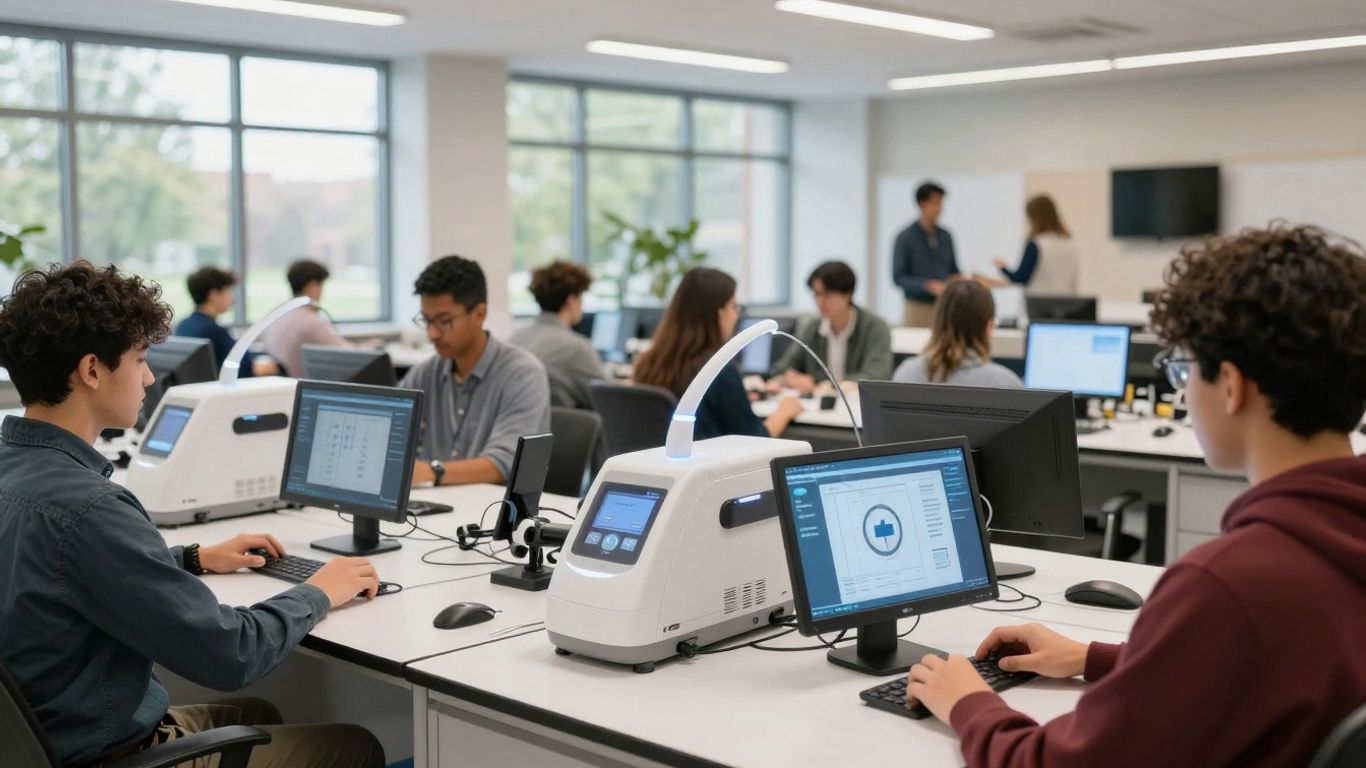
The courses in Centennial College’s Digital Health Engineering Technology program are designed to give you a solid foundation in both software engineering and the specifics of healthcare information systems. You’ll get hands-on experience with a variety of programming languages and tools that are actually used in the industry.
Here’s a look at what you can expect to learn:
- Object-oriented software design methodologies: This is about how to structure your code in a way that’s organized and easy to manage, which is super important for complex systems.
- User-oriented interface design: Making sure the software is easy for doctors, nurses, and patients to use is key. You’ll learn how to design interfaces that are intuitive and efficient.
- Health care information systems: You’ll get a deep dive into how these systems work, from electronic health records to patient management software.
- Telehealth: With the rise of remote care, understanding how to build and manage telehealth platforms is a big deal.
- Clinical workflow and IT solutions: This focuses on how technology can actually improve the day-to-day work of healthcare professionals.
- Data security and privacy: In healthcare, protecting sensitive patient information is non-negotiable. You’ll learn the ins and outs of keeping data safe and compliant with regulations.
- Health Care Data Analytics and Cloud Computing: Understanding how to analyze health data and use cloud technologies will be a major part of your learning.
You’ll be working with languages and platforms like C#, Java, Python, Kotlin, SAS, Oracle, MS-SQL Server, Unix/Linux, .NET Core, and web technologies such as HTML5, CSS, JavaScript, Angular, and React. This program also includes two major software development projects. These aren’t just theoretical exercises; they’re designed to mimic real-world business applications, so you’ll be using all the skills you’ve picked up.
The goal is to equip you with the practical skills needed to design, build, and maintain the software that powers modern healthcare. You’ll learn to not only code but also to analyze data, manage databases, and use predictive analytics to help make better decisions in healthcare settings.
3. Digital Health Engineering Technology Program Vocational Learning Outcomes
So, what exactly can you do after finishing the Digital Health Engineering Technology program at Centennial College? It’s all about what you’ll be able to demonstrate you know and can actually perform in a real job. These aren’t just abstract ideas; they’re tied directly to what employers are looking for.
Here’s a breakdown of what graduates are expected to be proficient in:
- Figuring out what a health information system needs to do based on what users actually require.
- Building and testing health information systems, making sure they work according to the plan and follow good software practices.
- Creating system designs that help patients, the public, and even the managers of healthcare services.
- Checking software quality and making it run better if needed, using testing and evaluation methods.
- Designing, setting up, and keeping databases and electronic health records in good shape.
- Supporting health information systems by understanding how networks function.
- Putting together solutions that handle security and privacy concerns right from the start.
- Using tools that help make decisions, especially for patient care and managing medical information.
- Working well with others on a digital health engineering team, even when no single person knows everything about the whole project.
- Clearly presenting and creating health and medical coding information accurately.
Essentially, you’ll be equipped to design, develop, and test software specifically for healthcare applications. This includes analyzing data, building databases, and supporting decisions with predictive analytics. You’ll be ready to jump into roles at hospitals, health agencies, and public health departments.
The program focuses on practical skills. You’ll work on real-world software projects that require you to use everything you’ve learned, from technical know-how to understanding business needs. This hands-on approach is key to preparing you for the job market.
4. Digital Health Engineering Technology Career Outlook
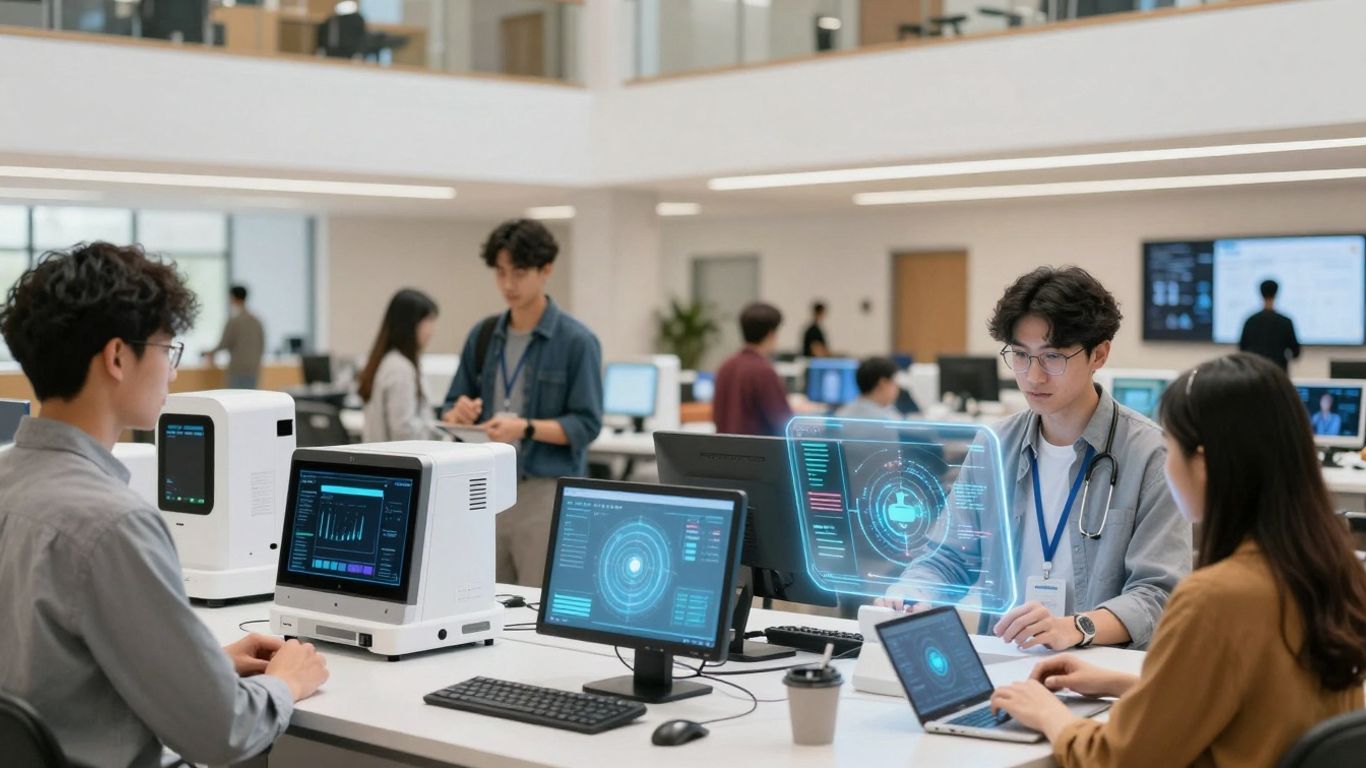
So, what kind of jobs can you actually get after finishing a program like Centennial College’s Digital Health Engineering Technology? It’s a pretty solid field, honestly. You’re looking at roles where you’re building and managing the tech that keeps healthcare running smoothly. Think about it – every hospital, clinic, and public health office needs people who can handle their computer systems, especially when it comes to patient data.
The demand for skilled professionals in digital health is only going to grow as healthcare systems become more reliant on technology.
Here are some of the common job titles you might see:
- Software Developer (specializing in healthcare applications)
- Health Care Information Systems Analyst
- Database Developer
- Mobile App Developer (for health-related apps)
- Web Application Developer
- Systems Implementation Specialist
- Business Analyst (in the healthcare tech sector)
These roles often involve working with things like electronic health records, telehealth platforms, and data analytics tools. It’s not just about coding; it’s about understanding how that code fits into the bigger picture of patient care and healthcare operations. You’ll be the one making sure the systems are secure, efficient, and user-friendly for doctors, nurses, and patients alike.
The work you do in digital health engineering technology directly impacts how healthcare is delivered. It’s about creating the tools that help medical professionals do their jobs better and ensuring patient information is handled safely and effectively. This field is constantly evolving, so there’s always something new to learn and apply.
Graduates can also look into professional certifications. Depending on your focus, you might be eligible to apply for membership with organizations like the Canadian Information Processing Society (CIPS) or provincial engineering technology associations. This can really help boost your career prospects.
5. Digital Health Engineering Technology Education Pathways
So, you’ve completed the Digital Health Engineering Technology program and are thinking about what’s next? That’s great! This program is designed to set you up for further studies, too. Many graduates find that their coursework here counts towards a degree at other institutions. It’s a smart way to build on what you’ve learned.
The college has agreements with several universities and colleges across Ontario, making the transfer process smoother. You’ll want to check with each institution directly, though, because they all have their own minimum entry requirements for transfer credits. It’s a bit of a process, but totally doable.
Here are some of the places where you might be able to continue your education:
- Toronto GTA: Seneca Polytechnic, Toronto Metropolitan University, York University
- Ontario: Algoma University, Conestoga College, Lakehead University, Nipissing University, Ontario Tech University, University of Waterloo, University of Windsor
It’s always a good idea to map out your future education plans early on. Knowing these pathways exist can help you make informed decisions throughout your diploma program and even guide your project choices.
For a more detailed look at specific transfer options and to get a checklist to guide you, you can check out the college’s website. Also, don’t forget to look into ONTransfer.ca for pathways to other Ontario post-secondary schools. If you’re interested in the broader field, consider looking into professional organizations like Digital Health Canada, which offers membership opportunities for students in related programs like Biomedical Engineering Technology [75ad].
6. Digital Health Engineering Technology Tuition and Fees
When you’re looking at college programs, figuring out the costs is a big part of the puzzle. For the Digital Health Engineering Technology program at Centennial College, the tuition and fees are different depending on whether you’re a domestic student or an international one. It’s good to have a clear picture of this before you start planning.
The total cost for a Canadian student for two semesters is estimated at $4,211.68, while international students can expect to pay around $20,242.63 for the same period. This includes both tuition and ancillary fees, which cover things like student services, health plans, and other campus resources.
Here’s a quick breakdown:
| Student Type | Tuition (2 Semesters) | Ancillary Fees | Total Estimated Cost |
|---|---|---|---|
| Canadian | $2,721.00 | $1,490.68 | $4,211.68 |
| International | $18,254.00 | $1,988.63 | $20,242.63 |
Keep in mind these are estimates for the 2025-2026 academic year, and actual costs can vary slightly. It’s always a good idea to check the official college website for the most up-to-date figures. Planning your finances early can make the whole process smoother, and you can find more details on costs for studying in Canada.
It’s important to remember that ancillary fees often cover a wide range of student support services and facilities that contribute to your overall college experience. These can include things like access to the library, athletic facilities, student health and dental plans, and various student life activities. While they might seem like an extra cost, they are often integral to campus life and student well-being.
When budgeting, also consider other potential expenses like textbooks, supplies, living costs, and transportation. These can add up, so it’s wise to factor them into your financial plan. The college usually provides a more detailed breakdown of these additional costs on their student services pages.
7. Digital Health Engineering Technology Technology Requirements
To really get the most out of the Digital Health Engineering Technology program, you’ll want to make sure you’ve got the right gear. Think of it like needing a good set of tools before you can start building anything complex. The college provides access to industry-standard software and platforms, but having your own reliable setup at home makes a big difference for assignments and projects.
Here’s a general idea of what you’ll need:
- A modern laptop or desktop computer: It should be capable of running development software smoothly. We’re talking at least 8GB of RAM, though 16GB is better, and a decent processor (like an Intel i5 or equivalent) will save you a lot of headaches.
- Stable internet connection: Since a lot of resources and collaboration will happen online, a consistent connection is a must. No one wants their work interrupted by dropped Wi-Fi.
- Up-to-date operating system: Whether you prefer Windows or macOS, make sure it’s a recent version that can handle the latest software updates.
While the program focuses on teaching you how to build and manage health information systems, having a personal computer that’s up to the task means you can focus more on learning the concepts and less on fighting with slow technology. It’s about making sure you’re set up for success from day one.
Specific software requirements, like particular programming languages or database tools, will be detailed by your instructors. They often provide access to these through the college’s network or cloud services, so you don’t necessarily need to buy expensive licenses yourself. But having a solid machine to run it all on? That’s key.
8. Digital Health Engineering Technology Admission Requirements
Getting into the Digital Health Engineering Technology program involves meeting a few key academic benchmarks. You’ll generally need to have completed your high school education or its equivalent. This usually means having a solid background in subjects like math and English, as these are pretty important for the technical stuff you’ll be learning.
Here’s a breakdown of what’s typically expected:
- Academic Prerequisites: Most applicants will need to show they’ve successfully completed Grade 12 or an equivalent. Specific courses like advanced functions math and English are often required. Check the college’s official admissions page for the exact course codes and minimum grades.
- English Language Proficiency: If English isn’t your first language, you’ll need to prove your skills. This can be done through standardized tests like IELTS or TOEFL, or sometimes through previous education conducted in English.
- Specific Program Requirements: For this particular program, having a background in computer science or a related technical field from high school can be a big plus, though not always mandatory.
It’s always a good idea to double-check the most current admission requirements directly on the Centennial College website. Things can change, and you don’t want to miss out because you were working with outdated info. Plus, they often have specific requirements for international students that are worth looking into.
For those looking to jump ahead, there’s a fast-track option. This is for folks who already have a college or university credential in software. If that’s you, you might be able to start in the third semester, which really speeds things up. You’ll still need to meet the general admission criteria, but your prior education can get you there faster.
9. Digital Health Engineering Technology Co-op Option
Want to get some real-world experience while you’re still in school? The Digital Health Engineering Technology program offers a co-op option that’s pretty neat. This is your chance to work in the field before you even graduate. It’s a great way to see how everything you’re learning in class actually applies to a job.
The co-op placement typically happens after your second semester. You’ll be working full-time for about six months, getting hands-on experience with a healthcare client. For example, there’s a 6-month full-time Technology Intern/Co-op position available from January 2026 to June 2026 with a leading healthcare client in North York, ON, Canada.
Here’s a quick look at how it generally works:
- Program Entry: Qualified students can transfer into the co-op stream starting in Semester 3.
- Work Term: You’ll complete a full-time work term, usually lasting around six months.
- Skill Application: This is where you put all those software design, database, and health information system skills to the test.
- Networking: You’ll meet people in the industry, which can be super helpful for future job searches.
There are also fast-track versions of the program that include co-op options, so even if you have prior education, you might be able to jump into a co-op placement sooner. It’s all about getting you ready for the job market.
The co-op component is designed to bridge the gap between academic learning and professional practice, giving students a significant advantage as they begin their careers in digital health.
Applying for the co-op option usually involves a separate process, and you’ll want to check the specific details with the college’s co-op department. They can guide you on eligibility and how to secure a placement.
10. Digital Health Engineering Technology How to Apply
Getting your application in for the Digital Health Engineering Technology program is pretty straightforward. You’ll want to make sure you have all your documents ready before you start the online application process. It’s a good idea to check the specific intake dates for 2026, as deadlines can sneak up on you.
Here’s a general rundown of what you’ll likely need:
- Academic Transcripts: Official records from your previous schooling, showing the courses you’ve taken and your grades. This usually includes high school transcripts, but if you’ve attended college or university before, those records are important too.
- Proof of English Proficiency: If English isn’t your first language, you’ll need to show you’re proficient. This could be through standardized tests like IELTS or TOEFL, or sometimes through previous education conducted in English.
- Application Form: This is the main part, filled out online through the college’s portal. Be ready to provide personal details, program choices, and answer any specific questions they might have.
- Application Fee: There’s usually a non-refundable fee to process your application. Keep an eye on the website for the current amount.
Some applicants might need additional documents, especially if they’re applying for advanced standing or through specific pathways. It’s always best to visit the official Centennial College admissions page for the most current and detailed instructions. They often have a helpful checklist to guide you through everything.
Applying to college can feel like a big step, but breaking it down into smaller tasks makes it much more manageable. Focus on gathering your documents first, then tackle the online form. Remember, the admissions team is there to help if you get stuck.
Wrapping Up Your Digital Health Journey in Canada
So, that’s a look at some of the great digital health programs you can find in Canada for 2026. It’s a field that’s really growing, and getting the right training can set you up for a good career. Whether you’re looking to build new health apps, manage patient data better, or work with telehealth systems, there are options out there. Think about what you want to do and check out the programs we’ve talked about. Getting started might seem like a lot, but taking that first step towards learning these new skills is totally worth it for your future.
Frequently Asked Questions
What will I learn in the Digital Health Engineering Technology program?
You’ll learn how to create, improve, and test computer programs for healthcare. You’ll also get good at understanding health data, building health databases, and using smart computer tools to help make decisions. This means you’ll be ready to work with digital health tools in places like hospitals and health departments.
What kind of jobs can I get after this program?
After finishing this program, you could become a software developer, a health care information systems analyst, a database developer, a mobile app developer, or a web application developer. You could also work as a systems implementation specialist or a business analyst in the health tech field.
Do I need specific computer equipment for this program?
Yes, you’ll need your own laptop that meets certain requirements, like a good processor and enough storage. MacBooks and Chromebooks aren’t suitable for this program. You’ll also need a reliable internet connection, a webcam, and a microphone.
Can I continue my education after this program?
Absolutely! Graduates can use the credits they earned at Centennial College to continue their studies at the university level. Several universities in Ontario, like Seneca Polytechnic, Toronto Metropolitan University, and York University, offer pathways for further education.
Is there a co-op option available?
Yes, there is a co-op option available for this program. This means you can gain real-world work experience as part of your studies. There’s also a fast-track version for those with prior software experience, which can also include a co-op component.
How much does the program cost?
The cost varies depending on whether you are a Canadian student or an international student. For Canadian students, the estimated tuition and fees for two semesters are around $4,211.68. For international students, the estimated cost for two semesters is about $20,242.63.