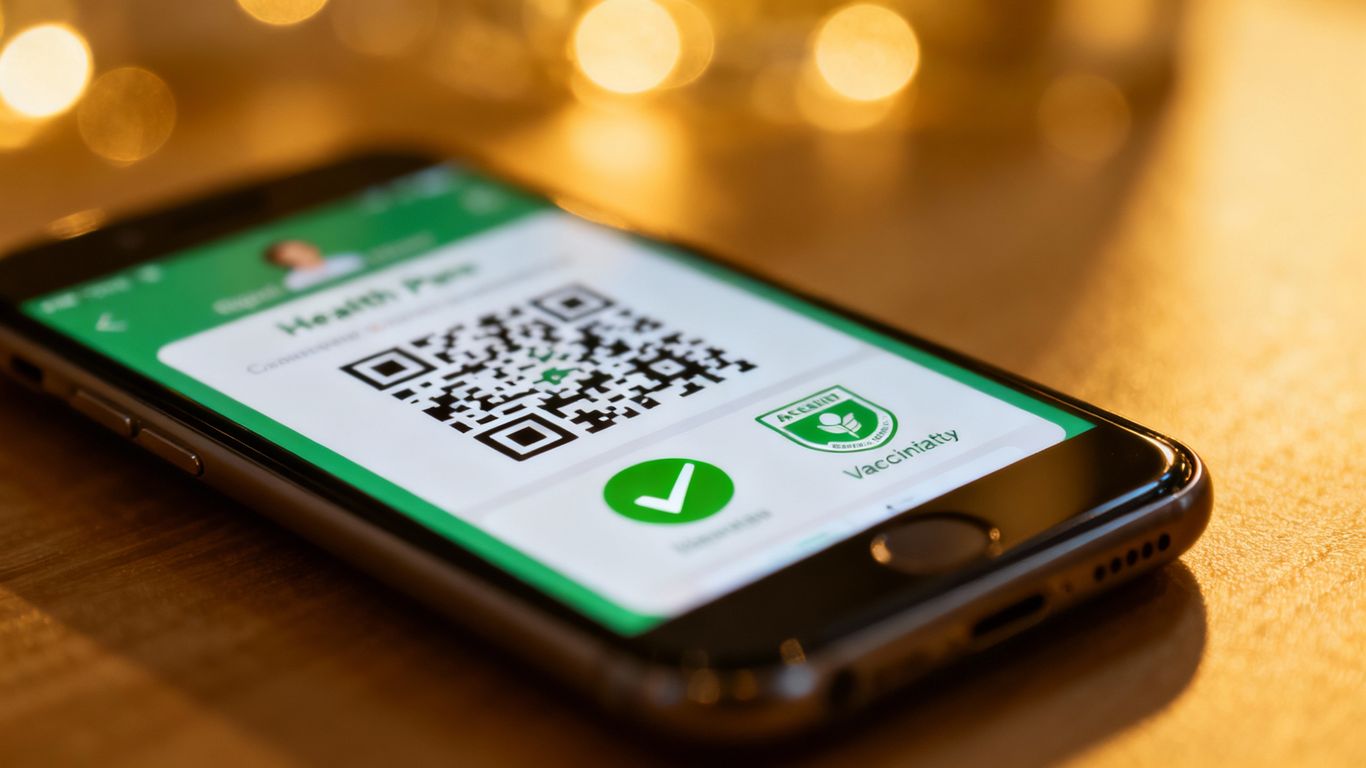
So, you’ve probably heard about the digital health pass app, right? It’s become a pretty big deal, especially with how much travel has changed. Basically, it’s a way to keep your health information handy and verifiable, making things like flying or going to events a lot less of a headache. We’re going to break down what this digital health pass app is all about, what cool features it has, and why you might actually want to use one.
Key Takeaways
- A digital health pass app is a secure digital tool that stores and verifies your health records, like vaccination status or test results.
- These apps make travel smoother by allowing quick, verifiable proof of your health status, reducing delays and contact.
- Beyond travel, digital health pass apps can be used for entry into venues, events, workplaces, and even healthcare settings.
- Privacy and data security are super important, with strong measures needed to protect sensitive health information.
- While useful, challenges like accessibility for everyone and global standardization still need to be worked out for widespread adoption of the digital health pass app.
Understanding The Digital Health Pass App
What Is A Digital Health Passport?
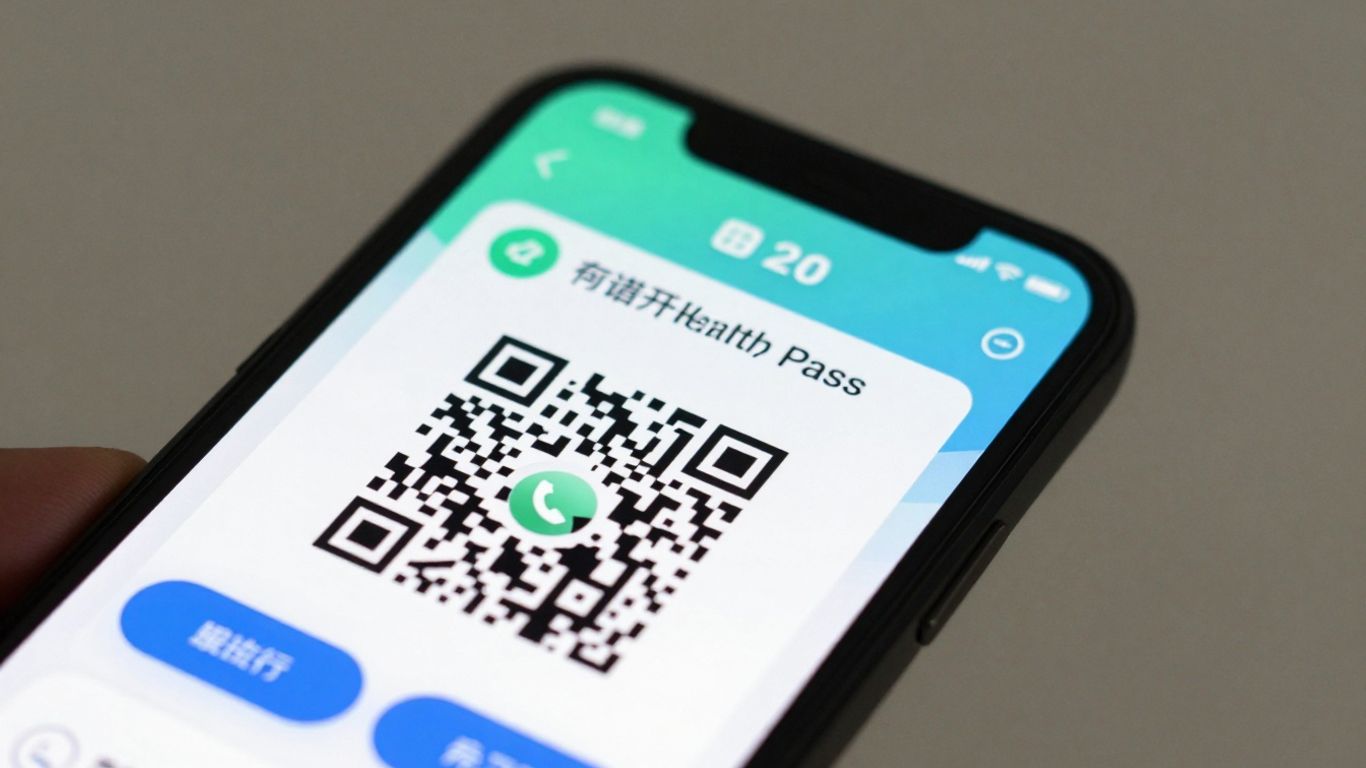
Think of a digital health passport as a modern, secure way to carry around important health information, especially when you’re traveling. It’s basically a digital document that holds verified details about your health status, like vaccination records or recent test results. The main idea is to make it easier and safer for people to prove they meet certain health requirements, which has become pretty important in recent years. Before these digital tools, people often had to carry around paper certificates, which could be lost or faked. This new digital approach aims to fix that. 
How Does A Digital Health Passport Work?
Using a digital health passport is usually pretty straightforward. You typically download an app and then upload your health records. These records are then checked and verified, often by healthcare providers or official labs. Once everything is confirmed, the app creates a secure digital credential, often shown as a QR code. When you need to show your health status, like at an airport or event, you just present this code. Officials can scan it quickly to confirm your information without needing to see a lot of personal details. This speeds things up and keeps things more private.
- Upload your health documents: This could be vaccination certificates or test results.
- Verification process: The app works with trusted sources to confirm your information.
- Digital credential: Receive a scannable code or digital badge.
- Present for access: Show your code when required for travel or entry.
The goal is to create a trustworthy system that benefits everyone involved, from individuals to border officials. It’s about making health verification simpler and more reliable.
These digital tools are designed to give individuals more control over their health data, allowing them to share only what’s necessary. You can find more information on how these systems are being developed and used on resources like the IATA Travel Pass website.
Key Features Of Your Digital Health Pass App
Streamlined Health Documentation
Forget about digging through piles of paper or trying to remember where you put that one important vaccination record. Your digital health pass app is designed to bring all your health-related documents into one easy-to-access place. Think of it as your personal health filing cabinet, but digital and way more organized. It consolidates things like test results and vaccination histories, making them simple to manage. This means less hassle when you need to prove your health status for travel or other activities.
Secure Digital Credentials
When we talk about digital health passes, security is a big deal. These apps use advanced methods to make sure your personal health information stays private and protected. They create digital versions of your health credentials that are tough to fake. This helps build trust because you know the information being shared is legitimate and hasn’t been messed with. It’s all about making sure your sensitive data is handled with care.
Verifiable Health Status
One of the coolest parts of these apps is how they let others quickly check your health status without seeing all your private details. They often use things like QR codes that can be scanned. This scan confirms that your health information is valid and meets whatever requirements are needed at that moment, whether it’s for boarding a plane or entering a venue. It’s a quick way to show you’re good to go.
The goal is to make proving your health status straightforward and reliable, cutting down on the confusion and delays that often come with manual checks. It’s about using technology to make things smoother for everyone involved.
Here’s a quick look at what these features do:
- Consolidates Records: Puts your vaccination cards, test results, and other health documents in one spot.
- Protects Your Data: Uses strong security to keep your private health information safe.
- Enables Quick Checks: Allows for fast verification of your health status using digital codes.
- Reduces Paperwork: Cuts down on the need for physical documents, making things simpler.
Benefits Of Using A Digital Health Pass App
So, why bother with a digital health pass app? Well, it turns out there are some pretty good reasons, especially if you’re planning on traveling or even just attending certain events.
Enhanced Traveler Safety
First off, these apps can make travel a lot safer for everyone. By having a verified way to show you’ve met health requirements, like vaccination or a recent negative test, it cuts down on the chances of spreading illnesses. Think about it: fewer sick people on planes or in crowded terminals means a healthier environment for all.
Simplified Travel Processes
Forget fumbling with stacks of paper documents. Digital health passes streamline the whole process, making it quicker and less of a headache. Instead of manual checks that can take ages, a quick scan of your phone can confirm your health status. This means less time waiting in lines and more time enjoying your trip. It’s a big step towards making travel feel normal again.
Restored Confidence In Travel
After everything that’s happened, a lot of people are still a bit hesitant about traveling. Digital health passes help rebuild that confidence. Knowing that there’s a reliable system in place to verify health credentials gives people peace of mind. It encourages more folks to book those flights and plan their getaways, which is good for both travelers and the travel industry.
The ability to quickly and securely verify health information is a game-changer. It helps manage risks and allows for smoother transitions through checkpoints, whether at an airport or a venue entrance. This technology is designed to be a tool for public health, not a barrier.
Here’s a quick look at how it helps:
- Faster Check-ins: Less time spent verifying documents means quicker boarding and entry.
- Reduced Contact: Digital verification minimizes physical interactions, which is a plus for hygiene.
- Standardized Information: Everyone uses the same verified format, avoiding confusion with different paper documents.
- Peace of Mind: Knowing you and others meet requirements can make the experience more relaxed.
Broader Applications Beyond Travel
While the initial buzz around digital health passes was largely focused on making travel smoother and safer, their potential reaches much further. Think about it: anywhere you need to show you’re healthy or have met certain health requirements, these apps could come in handy. It’s not just about hopping on a plane anymore.
Access To Venues And Events
Large gatherings, like concerts, sports games, or even big conferences, are places where people are in close quarters. For organizers, making sure everyone attending is healthy is a big deal. A digital health pass can offer a quick way to check if attendees have met specific health criteria, like being vaccinated or having a recent negative test. This helps create a more secure environment for everyone involved, reducing worries about spreading illnesses.
Workplaces And Schools
Schools and workplaces have always had rules about health, especially when it comes to things like vaccinations or staying home when sick. Digital health passes can make this process much simpler. Instead of dealing with piles of paper records, organizations can use these apps to verify health information easily and securely. This means a more straightforward way to keep students, employees, and visitors safe.
Access To Healthcare Services
Even within the healthcare system itself, digital health passes could be a game-changer. Imagine walking into a clinic or hospital. Instead of filling out endless forms or trying to recall your entire medical history, a digital pass could provide doctors with quick access to important health information. This is especially helpful in emergencies, allowing medical staff to make faster, more informed decisions about your care. It could also streamline things like getting prescriptions refilled or managing ongoing conditions.
The core idea is to move away from scattered paper documents and towards a unified, verifiable digital record that can be used across different situations. This not only makes life easier for individuals but also helps organizations manage health requirements more efficiently and reliably.
Here’s a quick look at how they might work in different settings:
- Events: Presenting a digital pass at the entrance for quick verification.
- Work/School: Uploading or linking verified health records for compliance.
- Healthcare: Sharing specific health data with providers when needed, with your permission.
It’s clear that the technology behind digital health passes has the potential to simplify many aspects of our lives, going well beyond just getting from point A to point B.
Privacy And Security In Digital Health Pass Apps
When we talk about digital health passes, privacy and security are probably the first things that come to mind. And honestly, they should. These apps handle some pretty sensitive personal health information, so keeping that data safe is a really big deal. It’s not just about preventing hackers from getting in, though that’s a huge part of it. It’s also about making sure only the right people see your information and that it’s used only for the reasons you agreed to.
Protecting Sensitive Health Data
Think about it: your digital health pass might contain records of vaccinations, test results, or even past medical conditions. Protecting this kind of data is paramount. Apps need to use strong encryption, like the kind banks use, to scramble your information so it’s unreadable to anyone without the key. Plus, where the data is stored matters. Ideally, it should be on your device, or if it’s in the cloud, it needs to be in a super secure, protected environment. This way, you have more control over who sees what.
Ensuring Data Authenticity
Beyond just keeping data private, these apps also need to make sure the information they show is real and hasn’t been messed with. Nobody wants to travel with a fake vaccination record, right? So, there are systems in place to verify that the health documents you upload or link to are legitimate. This often involves working with trusted health providers or official labs to confirm the details. It’s all about building trust so that border agents or event organizers can rely on the pass.
Compliance With Regulations
Different countries and regions have their own rules about how health data can be handled. For example, in Europe, there’s the GDPR (General Data Protection Regulation). Apps need to follow these rules closely. This means being clear about how data is collected, stored, and shared, and giving users the right to access or delete their information. Following these regulations isn’t just a legal requirement; it’s key to making people feel comfortable using these apps. You can find more information on how to build apps that follow these rules by looking into HIPAA-compliant applications.
- Encryption: Using advanced methods to scramble data.
- Access Controls: Limiting who can view your health information.
- Data Minimization: Only collecting and storing the information that’s absolutely necessary.
- Transparency: Clearly explaining how your data is used and protected.
The goal is to create a system where individuals feel confident that their personal health details are both secure and accurately represented, allowing for smoother transitions in travel and access to services without compromising their privacy.
Addressing Challenges For Digital Health Pass Adoption
So, we’ve talked about all the cool stuff these digital health passes can do, right? But it’s not all smooth sailing. There are some pretty big hurdles to jump over before everyone can just use these things without a second thought.
Equity and Accessibility Concerns
This is a big one. Not everyone has a fancy smartphone or a reliable internet connection. Think about folks in rural areas, or people who just aren’t super tech-savvy. If these passes rely only on digital access, we risk leaving a lot of people behind. It’s like having a great new tool, but only if you can afford the latest gadget and know how to use it. We need to make sure these passes work for everyone, not just the tech-inclined.
- Digital Divide: Many people lack consistent internet access or the devices needed to use digital apps.
- Literacy Gaps: Some individuals may struggle with the technical skills required to navigate complex digital systems.
- Cost Barriers: Acquiring smartphones or data plans can be a financial strain for lower-income populations.
We have to be really careful that in our rush to modernize, we don’t accidentally create a two-tiered system where some people can travel and participate freely, while others are excluded simply because they don’t have the right technology or skills.
Global Standardization Efforts
Imagine trying to travel internationally and every country has its own version of a health pass, using different formats and requiring different information. It would be chaos! Getting all the countries and different app developers on the same page is a massive undertaking. We need common standards so that a pass from one country is recognized and accepted in another. Without this, it defeats a lot of the purpose, especially for international travel.
Implementation and Interoperability
Even within a single country, getting different systems to talk to each other can be a headache. Think about how many different hospitals, clinics, and government agencies are involved. Making sure all these systems can share information securely and accurately, without glitches, is a huge technical challenge. It’s not just about having the app; it’s about making sure the app can actually connect with the places that issue and verify the health information. This interoperability is key to making the whole system work smoothly.
Leading Digital Health Pass Solutions
So, you’ve heard about these digital health passes, but which ones are actually out there? It’s not just one big, generic thing. Several companies and organizations have stepped up to create their own versions, each with a slightly different approach. Think of it like different brands of smartphones – they all do the same basic job, but the user experience and specific features can vary quite a bit.
IATA Travel Pass
This one comes from the International Air Transport Association, which is a pretty big deal in the airline world. Basically, it’s designed to help travelers manage their health documentation, like COVID-19 test results or vaccination records, right on their phone. The goal is to make international travel smoother by giving passengers a reliable way to prove they meet health requirements without a ton of paper. It connects with labs and airlines to streamline the whole process. You can store your verified health info and then share it with the airline or border control when needed.
CommonPass
CommonPass is another player in this space, developed by The Commons Project Foundation. Their focus is on letting you show that you meet health requirements without actually revealing all your personal health details. It’s all about privacy. You get a digital pass that confirms your status, but it doesn’t spill the beans on your entire medical history. This is a big deal for people who are concerned about who sees their sensitive information.
IBM Digital Health Pass
IBM has also thrown its hat into the ring with its Digital Health Pass. What’s interesting here is their use of blockchain technology. This can make the health credentials very secure and verifiable. It’s designed to be flexible, allowing different organizations to set the specific health requirements they need to check. So, a concert venue might ask for one thing, while an airline might ask for another, and IBM’s system can handle that customization. It aims to provide a trustworthy way to verify health status for various situations.
It’s important to remember that while these solutions aim to simplify things, they also bring up questions about how our health data is handled. Making sure these passes are secure and that our information is protected is a big part of why they’ll either succeed or fail in the long run. Plus, we need to think about whether everyone can actually use them, no matter their tech access.
These are just a few examples, and the landscape is always changing. As more places start using these digital passes, we’ll likely see more options and maybe even some standardization down the road.
Wrapping Up: The Future of Health Passes
So, we’ve looked at what these digital health apps are all about and why they’re becoming a bigger deal. They really seem to be changing how we handle health information, especially when we’re on the go. While there are still things to figure out, like making sure everyone can use them and keeping data super safe, these apps offer a pretty neat way to make travel and other activities smoother and safer. It looks like they’re here to stay, helping us get back to doing the things we love with a bit more peace of mind.
Frequently Asked Questions
What exactly is a digital health pass app?
Think of a digital health pass app like a digital version of your health records that you can carry on your phone. It’s a secure way to store important health information, like proof of vaccinations or recent test results, so you can easily show it when needed, especially for travel.
How does a digital health pass app actually work?
It’s pretty simple! You usually add your health information, like vaccination records or test results, to the app. The app then checks and confirms this information. Once it’s verified, the app can create a special code, like a QR code, that you can show to prove your health status without sharing all your private details.
Is my health information safe in these apps?
Yes, these apps are designed with safety in mind. They use strong security measures to protect your sensitive health data from being accessed by people who shouldn’t see it. It’s all about keeping your personal health information private and secure.
Can I use a digital health pass for things other than travel?
Absolutely! While they’re super helpful for traveling, digital health passes can also be used for other places. Think about getting into big events like concerts or sports games, or even for accessing your workplace or school. It’s a way to ensure everyone in a shared space is healthy.
What are the main benefits of using a digital health pass?
The biggest benefits are making travel and other activities much smoother and safer. It speeds things up by making health checks quicker, helps prevent the spread of sickness, and gives people more confidence to travel and gather in groups again.
Are there any downsides or challenges with these apps?
Some people worry about whether everyone can easily use these apps, especially if they don’t have a smartphone or internet access. There’s also a big effort to make sure all these apps work the same way across different countries and systems so they can be used everywhere without confusion.