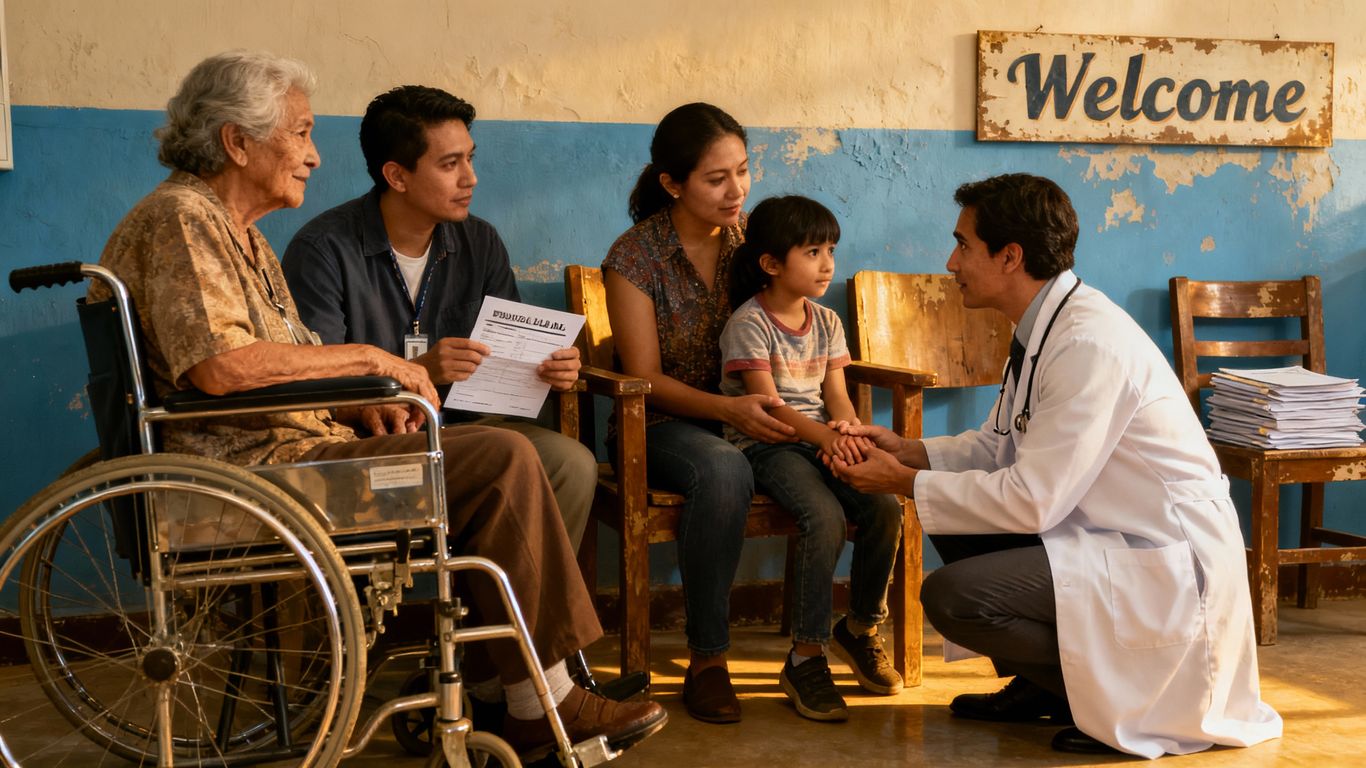
We’ve all heard about health disparities, right? It’s basically when some groups of people don’t have the same chances at being healthy as others. This isn’t some new thing; it’s been around for ages and is tied up in how our society has been set up, often unfairly. Think about it – things like where you live, how much money you have, or even the color of your skin can make a big difference in how healthy you are and how well you get treated by the healthcare system. This article is going to break down what health disparity really means and look at why it’s so important to fix it.
Key Takeaways
- Health disparity refers to preventable differences in health outcomes and access to care that affect certain groups more than others.
- These differences are rooted in historical and ongoing social, economic, and systemic inequalities.
- Factors influencing health disparity include patient circumstances, provider actions, and broader healthcare system issues.
- Addressing health disparity requires looking at patient-level issues, provider biases, and systemic barriers within healthcare.
- Solutions involve policy changes, better primary care, and direct efforts to fight discrimination and improve communication.
Understanding Health Disparities

Defining Health and Health Care Disparities
So, what exactly are we talking about when we say "health disparities"? It’s not just about people being a little sicker or having slightly worse health outcomes. We’re talking about differences that shouldn’t be there, differences that are often preventable and unfair. These aren’t random occurrences; they’re systematic. Think about it: some groups of people consistently experience worse health than others, and it’s not because they’re inherently weaker or less healthy. It’s tied to where they live, how much money they have, their race, or other aspects of their identity. These differences can show up in all sorts of ways, like how long people live, how often they get certain diseases, or even just how healthy they feel day-to-day. On the flip side, health care disparities are about the differences in getting good medical help. This could mean not having insurance, finding care too expensive, having trouble getting appointments, or receiving lower quality treatment. It’s a complex picture, and these issues are deeply woven into the fabric of our society. The CDC defines health disparities as "preventable differences in the burden, disease, injury, violence, or in opportunities to achieve optimal health experienced by socially disadvantaged racial, ethnic, and other population groups and communities." These are not just statistics; they represent real people facing real barriers to well-being. 
The Intersectional Nature of Disparities
It gets even more complicated when you realize that people aren’t just one thing. You might be a woman, and also belong to a racial minority, and live in a low-income neighborhood. Each of these aspects can play a role in how you experience health and healthcare. This is what we mean by "intersectional." It’s not just about one factor; it’s how these different parts of your identity and circumstances overlap and interact. For example, a Black woman might face different challenges than a white woman or a Black man, because racism and sexism can combine in unique ways. Understanding this intersectionality is key because it means we can’t just look at one cause or one group. We have to consider the whole person and all the social factors that influence their health. It’s like trying to solve a puzzle where each piece is connected to several others.
Historical Roots of Health Disparities
To really get a handle on why these disparities exist today, we have to look back. Our history is full of policies and practices that created and maintained inequalities. Think about things like segregation, discriminatory housing policies, or unequal access to education and jobs. These weren’t just historical footnotes; they had lasting effects on where people could live, the resources available to them, and ultimately, their health. These historical patterns of exclusion and disadvantage continue to shape health outcomes for many communities. It’s a tough truth, but acknowledging this past is a necessary step toward building a more equitable future. The U.S. has a long history of exclusionary policies that continue to contribute to racial and ethnic disparities in health today, a fact that is well-documented in public health research.
The persistence of health disparities is a clear signal that our systems are not working equally for everyone. These aren’t just individual problems; they are societal issues that require collective attention and action. We need to look beyond surface-level explanations and examine the deeper structures that create and maintain these unfair differences in health and healthcare.
The Multifaceted Determinants of Health Disparities
Understanding what really causes health disparities means looking at several layers — from who people are, to who treats them, and the way entire systems are set up. Each piece fits into a bigger picture that explains why some groups experience poorer health or limited access to care than others.
Patient-Level Factors Influencing Health Outcomes
People’s backgrounds and circumstances play a big role in their health. Here are some main factors at the individual level:
- Socioeconomic Status: Income, education, and occupation affect everything from diet to stress levels.
- Cultural Beliefs and Practices: Values around health and medicine can shape if and when people seek care.
- Health Behaviors: Smoking, activity levels, and diet directly influence health chances—and vary with education or environment.
- Language and Health Literacy: Not understanding medical information or instructions leads to gaps in care.
- Exposure to Violence or Environmental Risks: Where someone lives and works matters for their health.
People don’t get to choose every factor affecting their health — neighborhoods, family resources, and even public attitudes all matter.
Provider-Related Influences on Care
Healthcare workers shape patient experiences long before treatment begins. Some key provider-level issues:
- Communication Gaps: Misunderstandings, language barriers, and jargon block good care.
- Implicit Bias: Unconscious attitudes about race, gender, or background can affect diagnosis and treatment decisions.
- Cultural Competence: Providers who overlook patients’ cultural beliefs might make less effective care plans.
- Time Constraints: Overloaded schedules mean rushed visits and missed details.
Quick List: How Providers Can Reduce Disparities
- Listen actively to each patient’s concerns
- Avoid making quick assumptions based on background
- Use teach-back methods to confirm understanding
Healthcare Systemic Barriers to Equity
The structure of healthcare organizations and broader financing arrangements often makes things harder for certain groups. Here’s a look at how the system creates obstacles:
| System Barrier | Example |
|---|---|
| Geographic Distribution | Rural hospitals far away; urban clinics crowded |
| Insurance or Coverage | No insurance or limited plans restrict treatment possibilities |
| Organization of Services | Long waits, complex referrals, or no translation services |
| Workforce Shortages | Few health workers in low-income or rural areas |
| Out-of-Pocket Costs | Copays, deductibles, or full payment up front block needed care |
These barriers can turn minor health issues into serious conditions because people wait, skip care, or have trouble navigating complicated systems.
All these determinants—personal, provider, and systemic—interact every day, shaping patients’ health and access even before the first appointment. Breaking down health disparities requires changes at every level, not just one.
The Impact of Health Disparities
When we talk about health disparities, we’re not just talking about numbers on a chart. These differences have real, tangible effects on people’s lives and the communities they live in. It’s a complex issue, and the consequences ripple outwards, affecting more than just the individuals directly experiencing them.
Consequences for Individual Health and Well-being
At the most basic level, health disparities mean that some groups of people are more likely to get sick, have worse health outcomes, and die younger than others. This isn’t about random chance; it’s often tied to where people live, their economic situation, and the kind of care they can access. Think about chronic conditions like diabetes or heart disease – they disproportionately affect certain populations. This leads to a lower quality of life, increased pain, and a shorter lifespan for many.
- Higher rates of chronic diseases
- Increased infant and maternal mortality
- Reduced life expectancy
- Greater burden of preventable illnesses
Broader Societal Ramifications
These individual struggles add up to bigger problems for society as a whole. When large segments of the population are not healthy, it impacts everyone. It strains our healthcare system, as more people require intensive care for conditions that could have been managed earlier. It also affects our economy; people who are sick can’t work, and communities with poor health outcomes often struggle with lower productivity and economic growth. This creates a cycle where poor health hinders economic opportunity, which in turn limits access to resources that could improve health.
The persistence of health disparities erodes trust in institutions, including healthcare providers and public health agencies. When people feel they are not being treated fairly or that the system is rigged against them, they are less likely to seek care or follow medical advice, further exacerbating health problems.
Perpetuating Cycles of Disadvantage
Perhaps one of the most concerning impacts of health disparities is how they can be passed down through generations. Children born into families facing health challenges due to socioeconomic factors or lack of access to quality housing are more likely to experience similar health issues throughout their lives. This creates a persistent cycle of disadvantage, making it incredibly difficult for individuals and families to break free from poverty and poor health. Addressing these disparities isn’t just about fairness; it’s about creating a more equitable and prosperous future for everyone.
Addressing Health Disparities Through Policy and Practice

Tackling health disparities isn’t just about treating sickness; it’s about building a fairer system from the ground up. This means creating policies that actually help people, not just talk about it. We need to look at things like where people live, their jobs, and how much money they have, because all of that really impacts health. It’s about making sure everyone has a real shot at being healthy, no matter their background.
Implementing Equity-Oriented Policies
This involves a few key things. First, we need policies that directly address the social and economic factors that lead to poor health. Think about things like affordable housing, good schools, and safe neighborhoods. These aren’t just social issues; they’re health issues. We also need to make sure that resources are shared more evenly. It’s not fair if some communities have great healthcare access while others are left behind. This also means looking at how we fund healthcare and making sure everyone has some financial protection, so a medical emergency doesn’t lead to financial ruin. Strengthening how health systems are run and making sure they’re accountable is also a big part of it. We need to keep track of health inequities and advocate for "Health for All." This is a global effort, and key actions for improving global health are vital.
Strengthening Primary Health Care Approaches
Primary health care is really the backbone of a good health system, especially in places that don’t have a lot of resources. We need to make these services work better for everyone. This includes making sure treatments are effective and that people can get ongoing care, not just one-off visits. It also means being more responsive to what different groups of people actually need. Sometimes, a more personalized approach to care can make a big difference in moving towards health equity.
Promoting Health Equity Across the System
Promoting health equity needs to be woven into every part of the healthcare system. This covers how services are provided, how money and staff are allocated, how people pay for care, and even making sure we have the medicines we need. It’s a big job, but it’s necessary if we want a healthcare system that truly serves everyone. We have to look at everything from health insurance plans to the information systems we use and how health decisions are made at the top.
Strategies for Reducing Health Disparities
Ensuring Parity in Access to Care
Making sure everyone can get the healthcare they need, when they need it, is a big piece of the puzzle. This isn’t just about having clinics available; it’s about whether people can actually get to them, afford them, and feel welcome once they’re there. Think about things like transportation to appointments, having insurance that covers necessary treatments, and clinics being open at times that work for people with jobs. We also need to look at how services are set up. Are there enough doctors in underserved areas? Are the services offered what people in those communities actually need?
- Expand telehealth options: This can bridge geographical gaps and make care more convenient.
- Increase community health centers: Placing care closer to where people live and work.
- Address affordability: Reviewing insurance plans and offering financial assistance programs.
- Improve transportation: Partnering with local services or providing patient transport.
Combating Discrimination in Healthcare
It’s a tough truth, but bias, both conscious and unconscious, can creep into healthcare. This can affect how patients are treated, the quality of care they receive, and even the decisions doctors make. We need to actively work against this. It means training healthcare professionals to recognize their own biases and understand how they might impact patient care. It also involves creating systems where patients feel safe to report discriminatory experiences without fear of reprisal.
We have to build trust back into the system. When people feel judged or mistreated, they’re less likely to seek care, which only makes health problems worse down the line. It’s about treating everyone with respect, no matter their background.
Improving Patient-Provider Communication
Sometimes, misunderstandings happen simply because people aren’t talking the same language, literally or figuratively. Effective communication is key. This means providers taking the time to explain things clearly, using language that patients can understand, and checking to make sure they’ve been heard. It also involves being sensitive to cultural differences and how they might influence a patient’s understanding of health and illness. Using interpreters when needed and providing educational materials in multiple languages are basic but important steps. Better communication leads to better health decisions and outcomes for everyone.
A Framework for Action on Health Disparities
So, we’ve talked about what health disparities are and why they’re such a big deal. Now, let’s get down to business. How do we actually tackle this? It’s not just about pointing out the problems; it’s about having a plan. Think of it like building something – you need blueprints, the right tools, and a solid process. That’s what a good framework does for addressing health inequities.
Systematic Identification and Measurement
First off, we need to know exactly where the problems are. You can’t fix what you don’t measure, right? This means we have to get really good at spotting and tracking differences in health outcomes and how people access care. It’s not enough to just look at the big picture; we need to break it down by race, income, where people live, and other factors that might put them at a disadvantage. We’re talking about looking at everything from who gets sick to who gets the best treatment, and even how often people can even get to a doctor.
- Track health outcomes: Are certain groups getting sicker or dying younger?
- Monitor access to care: Can everyone get to a doctor or get the medicine they need?
- Assess quality of services: Is the care people receive good, no matter who they are?
- Look at patient experiences: How do people feel about the care they get?
Understanding Root Causes and Determinants
Once we know where the disparities are, we need to figure out why. This is where it gets complicated, because there’s no single answer. It’s a mix of things happening at different levels.
We need to look beyond just individual choices and consider the bigger picture. This includes everything from the neighborhoods people live in and the jobs they have, to the policies that are in place and even historical injustices that still cast a long shadow.
Here are some of the big areas we need to examine:
- Patient factors: Things like a person’s background, their understanding of health information, and their personal habits.
- Provider factors: This can involve unconscious biases doctors might have, communication issues, or how clinical decisions are made.
- Systemic factors: This is about the healthcare system itself – how it’s funded, its rules, and whether services are even available in certain areas.
Intervention Research for Equitable Outcomes
Finally, after we’ve identified the problems and understood their causes, it’s time for action. This is where research comes in, but not just any research – research focused on finding solutions that actually work to make things fairer. We need to test out different approaches to see what makes a real difference.
This could mean:
- Helping patients: Developing programs that teach people about their health, help them navigate the system, or connect them with resources.
- Training providers: Educating doctors and nurses about cultural differences and how to avoid bias in their practice.
- Changing the system: Looking at ways to fund healthcare more fairly, create better ways for different parts of the healthcare system to work together, and reach out to communities that are often overlooked.
The goal is to move from just knowing about disparities to actively closing the gaps.
Moving Forward: A Call to Action
So, we’ve talked a lot about health disparities – what they are, why they’re a big deal, and where they come from. It’s clear this isn’t a simple problem with a quick fix. It’s tied up in bigger societal issues, historical stuff, and how our healthcare system itself works. We can’t just expect things to get better on their own. It’s going to take real effort from everyone involved – policymakers, healthcare providers, researchers, and even us as patients. We need to keep pushing for changes that make sure everyone, no matter their background, gets the care they need and deserves. It’s a long road, but it’s one we absolutely have to walk if we want a healthier future for all.
Frequently Asked Questions
What exactly are health and healthcare disparities?
Health disparities are unfair differences in health outcomes between different groups of people. These differences can include things like how long people live, how often they get sick, or their general health. Healthcare disparities are differences in how people get medical care. This could be about whether they have insurance, if they can afford care, if they can even get to a doctor, or if the care they receive is good quality. These differences often happen because of things like race, how much money someone has, where they live, or other social factors.
Why do health disparities happen?
Health disparities happen for many reasons, and they’re often linked. Sometimes it’s because of things people can’t control, like living in a neighborhood with fewer healthy food options or having a job that doesn’t offer health insurance. Other times, it’s because of how people are treated, like facing discrimination or not being able to communicate well with doctors because of language barriers. The healthcare system itself can also create barriers, like long wait times or complex paperwork that makes it hard to get the care you need.
Are health disparities only about race?
No, health disparities are not just about race. While race is a major factor, these unfair differences can happen to many groups of people. Things like how much money someone has (socioeconomic status), their age, where they live (like a rural area versus a city), their gender, if they have a disability, or their sexual orientation can all play a role. Often, people belong to more than one of these groups, and their experiences with health disparities can be even more complex.
What are the consequences of health disparities?
When some groups of people don’t get the same quality of care or have worse health outcomes, it doesn’t just affect them as individuals. It can make communities weaker, make people lose trust in doctors and hospitals, and even lead to cycles of bad health and poverty that get passed down through families. It’s a big problem that affects everyone in society, not just the people directly experiencing it.
How can we fix health disparities?
Fixing health disparities means making big changes. We need policies that make sure everyone has a fair chance at being healthy, no matter who they are or where they come from. This includes making healthcare easier to get to and afford, fighting against unfair treatment in hospitals and clinics, and helping doctors and patients communicate better. It also means looking at the bigger picture, like improving education, housing, and jobs, because those things deeply affect health.
What’s the first step to solving health disparities?
The first step is to really understand where and why these differences are happening. This means collecting good information to see which groups are facing the worst health outcomes and having trouble getting care. Then, we need to dig deep to figure out the main reasons behind these problems, looking at everything from individual factors to big system issues. Once we know what’s going on, we can start creating and testing solutions that are designed to make things fair for everyone.