We’re talking about the national Aboriginal and Torres Strait Islander health plan today. It’s a big deal, aiming to fix some long-standing problems in health care for Indigenous Australians. It’s not a new idea, but it’s a plan that’s been built on a lot of work and discussion over the years. The goal is to make things fairer and healthier for everyone. It’s about working together and making sure that the right people are in charge of making the decisions.
Key Takeaways
- The national Aboriginal and Torres Strait Islander health plan is a national priority to fix health differences between Indigenous and non-Indigenous Australians.
- Partnership is central to this plan, meaning Aboriginal and Torres Strait Islander peoples must have a real say in how things are done.
- Investing in health services run by Aboriginal and Torres Strait Islander communities is a major part of the plan.
- Addressing the things that affect health outside of hospitals, like housing and jobs, is also a key focus.
- Making sure the plan has enough money and that progress is tracked is important for it to actually work.
Understanding the National Aboriginal and Torres Strait Islander Health Plan
Addressing Health Inequities: A National Priority
It’s pretty clear that Aboriginal and Torres Strait Islander peoples in Australia have faced some serious health disadvantages for a long time. This plan is basically a big effort to try and fix that. It’s not just a nice idea; it’s seen as a really important national goal to make sure everyone has a fair shot at being healthy, no matter where they live or what their background is. The goal is to close the gap in health outcomes, which is a huge task, but one that many people agree needs to happen. It’s about making sure that the health services available are fair and work for everyone.
The core idea is to create a health system that truly serves the needs of Aboriginal and Torres Strait Islander communities, recognizing their unique cultural backgrounds and historical experiences.

The Role of Partnership in Health Planning
One of the main things about this plan is that it’s supposed to be built on working together. It’s not just a government document handed down from on high. Instead, it’s meant to be developed and put into action with Aboriginal and Torres Strait Islander peoples and their organisations right at the center of the conversation. This partnership approach is seen as key to making sure the plan actually works on the ground. When communities have a real say in what happens, the solutions are more likely to fit what they actually need.
Here’s what that partnership looks like:
- Community Voice: Making sure local communities are heard in decision-making.
- Collaboration: Working hand-in-hand with Indigenous health organisations.
- Accountability: Setting up clear ways to track progress and make sure funds are used well.
Building on Existing Frameworks for Health Equality
This isn’t the first time people have tried to improve Indigenous health in Australia. The National Aboriginal and Torres Strait Islander Health Plan aims to build on what’s already been done, rather than starting from scratch. It looks at past efforts, like the ‘Closing the Gap’ strategy, and tries to learn from them. The idea is to take the good parts of previous plans and make them stronger, while also addressing the things that didn’t quite work out. It’s about making sure that progress continues and that the momentum for health equality isn’t lost. This involves looking at what has been successful and figuring out how to scale it up and make it sustainable for the long haul.
Key Pillars of the National Aboriginal and Torres Strait Islander Health Plan
This plan isn’t just a document; it’s built on some really solid ideas about how to actually make things better for Aboriginal and Torres Strait Islander peoples’ health. It’s not just about throwing money at problems, but about smart, focused action. Let’s break down what makes this plan tick.
Investing in Community Controlled Health Organisations
These local health services, run by and for Aboriginal and Torres Strait Islander communities, are the backbone of the plan. They understand the local culture and needs in a way that no outside service can. The plan really pushes for more money to go directly to these organisations. This isn’t just about keeping the lights on; it’s about helping them grow, get better at what they do, and be around for the long haul. Think of it as giving them the tools and stability they need to really serve their communities well.
Strengthening Preventative Health Strategies
We all know that dealing with health problems after they start is way harder and more expensive than stopping them before they begin. This plan puts a big focus on preventing common, serious illnesses that disproportionately affect Indigenous Australians. We’re talking about things like heart disease, diabetes, and kidney issues. It’s about getting the right programs in place early, especially for mums and kids, to give everyone the best possible start in life and reduce the chances of these chronic diseases down the track.
Enhancing Access to Primary and Specialist Care
Even with great preventative care, people still need to see doctors and specialists when they’re sick. The plan aims to make it easier for Aboriginal and Torres Strait Islander people to get the care they need, when they need it. This includes making sure primary health services are available and affordable, and also improving access to specialists who might be few and far between, especially in remote areas. It’s about closing those gaps in service availability.
Addressing Social Determinants of Health
This is a big one. The plan recognises that health isn’t just about doctors and hospitals. It’s deeply tied to things like having a safe place to live, getting a good education, and having a job. Overcrowded housing, for example, makes it really hard to stay healthy. So, the plan looks at these wider issues, like housing and education, and how fixing them can have a massive positive impact on health outcomes. It’s a more holistic approach, acknowledging that you can’t really fix health without looking at the whole picture of someone’s life.
The core idea here is that health is shaped by more than just medical care. It’s about the conditions people live, work, and grow up in. Addressing these underlying social factors is just as important as providing medical services if we’re serious about closing the health gap.
Operationalizing the Health Plan: Challenges and Opportunities
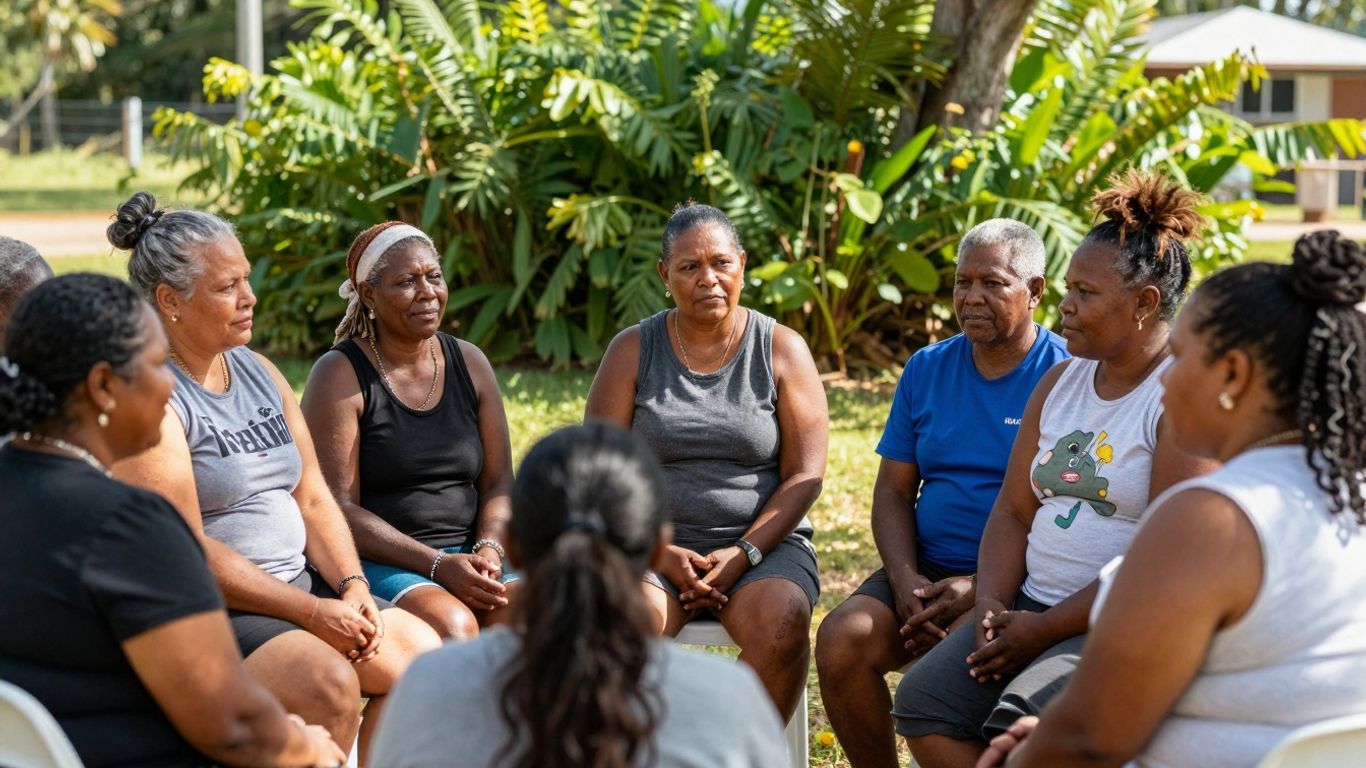
Putting any big plan into action is never as simple as it sounds, and the National Aboriginal and Torres Strait Islander Health Plan is no different. We’re talking about making real changes that affect people’s lives, and that comes with its own set of hurdles and, thankfully, some pretty exciting possibilities.
Funding Implementation and Timeframes
One of the biggest questions always comes down to money and how long things will take. It’s easy to set goals, but actually funding the programs and services needed to meet those goals is a whole other story. We need to make sure there’s enough money, and that it’s allocated in a way that makes sense for the communities it’s meant to serve. Rushing things can lead to mistakes, but waiting too long means people continue to miss out on the care they need. Finding that balance is key.
Systemic Linkages for Culturally Safe Care
Getting healthcare services to be truly culturally safe is a massive undertaking. It means looking at how different parts of the system talk to each other, or often, don’t talk to each other at all. Think about it: a person might be dealing with a doctor, a social worker, and a community health worker. If these people aren’t sharing information or working together, it’s a lot harder for the patient to get the help they need. We need better connections between services so that care feels joined-up and respectful of cultural backgrounds. It’s about making sure that when someone interacts with the health system, they feel seen and understood, not just like another case number. This involves training staff, changing protocols, and really listening to what Aboriginal and Torres Strait Islander peoples say they need from their health services.
The current system can feel like a maze, with different doors leading to different services that don’t always connect. For people trying to get help, this can be exhausting and frustrating. The goal is to create pathways that are clear, supportive, and recognize the whole person, not just their medical condition.
Empowering Aboriginal Data Sovereignty
This is a really important one. For too long, data about Aboriginal and Torres Strait Islander peoples has been collected and used by others, often without their input or control. Data sovereignty means that communities get to decide how their information is collected, stored, used, and shared. This isn’t just about privacy; it’s about self-determination. When communities control their own data, they can use it to tell their own stories, identify their own priorities, and advocate for the services they need. It’s about turning data into a tool for positive change, driven by the people themselves. This requires building up the skills and infrastructure within communities to manage their data effectively. It’s a big shift, but it’s essential for genuine progress and building trust.
Here are some of the things that need to happen to make data sovereignty a reality:
- Developing clear protocols for data collection and use that are agreed upon by communities.
- Investing in training and technology to support local data management.
- Establishing governance structures that put Aboriginal and Torres Strait Islander peoples in charge of their own data.
- Ensuring that data is used ethically and respectfully to improve health and wellbeing outcomes.
The Importance of Self-Determination in Health Outcomes
Community Voice in Decision-Making
When we talk about health for Aboriginal and Torres Strait Islander peoples, it’s really important to remember that they know what’s best for their own communities. Self-determination means these communities get to call the shots on their health and wellbeing. It’s not about outsiders deciding what they need; it’s about listening to local knowledge and priorities. This approach has shown real results, like better management of ongoing health issues. When communities are in charge, they can shape services to fit their culture and needs, which makes a huge difference.
Channelling Investments Through Indigenous Organisations
Putting money directly into Aboriginal and Torres Strait Islander-controlled health organisations is a smart move. These groups are already doing great work on the ground, understanding the local context and building trust. They’re the ones best placed to use resources effectively to tackle health problems. Think about it: they’ve seen huge jumps in the number of people they help and the health plans they put in place over the last few years. This shows that when funding flows through these trusted channels, it actually gets to the people who need it and makes a tangible impact.
Building Capacity and Resilience
Self-determination isn’t just about making decisions today; it’s also about building strong foundations for the future. It means supporting Indigenous organisations to grow, develop their skills, and become even more effective. This builds up local capacity, so communities can manage their own health services and respond to challenges independently. It’s about creating systems that are sustainable and resilient, driven by the people they serve. This long-term view helps create lasting change and improves health for generations to come.
The way we measure health often misses the mark for Indigenous peoples. Standard health indicators tend to focus on what’s wrong, using a Western lens. But Indigenous views of wellbeing are much broader, looking at connections, community, and strengths. We need to change how we collect and use health data to truly reflect these different ways of knowing and being, making sure it’s done in partnership with communities.
Political Commitments and the National Aboriginal and Torres Strait Islander Health Plan
Cross-Party Support for Closing the Gap
Getting everyone on the same page about improving health for Aboriginal and Torres Strait Islander peoples is a big deal. It’s not just one party’s job; it’s a national goal. The idea of "Closing the Gap" has been around for a while, and it’s something many politicians say they support. This means making sure that health outcomes for Indigenous Australians are on par with non-Indigenous Australians. It’s a tough challenge, and it requires a steady hand and consistent effort, not just during election cycles but year after year. The public is watching, and there’s a clear expectation that governments will work together with Indigenous communities to make real progress.
Impact of Policy on Aboriginal Health Services
Policies can really shake things up for health services. When governments make decisions about funding or how services are run, it directly affects the ground level. For Aboriginal Community Controlled Health Organisations (ACCHOs), changes in policy can mean the difference between keeping their doors open and having to cut back. For example, shifts in how primary healthcare is funded, like changes to bulk billing, can make it harder for these services to operate and for people to access care. It’s vital that policies are designed with these organisations and the communities they serve in mind.
Ensuring Tangible Outcomes and Resourcing
Talking about a plan is one thing, but making it happen is another. The National Aboriginal and Torres Strait Islander Health Plan, and its implementation plan, need proper backing. This means not just having a document, but also having the money and resources to actually do the work. Without dedicated funding, even the best-laid plans can falter, just like previous attempts. It’s about making sure that the actions outlined in the plan get the support they need to achieve real results for people’s health and wellbeing. This includes:
- Making sure there’s enough money for Aboriginal Community Controlled Health Organisations so they can grow and keep going long-term.
- Setting up ways for ACCHOs and mainstream health services to work together smoothly, so people get good, culturally appropriate care no matter where they go.
- Putting money into programs that tackle health problems known to affect Indigenous Australians, like heart disease and diabetes.
The push for better health outcomes for Aboriginal and Torres Strait Islander peoples isn’t just about health statistics; it’s about fairness and respecting the rights of communities to have a say in their own wellbeing. When communities are involved in making decisions and managing resources, the results tend to be much better. This approach builds trust and makes sure that services are what people actually need.
Measuring Progress and Future Directions
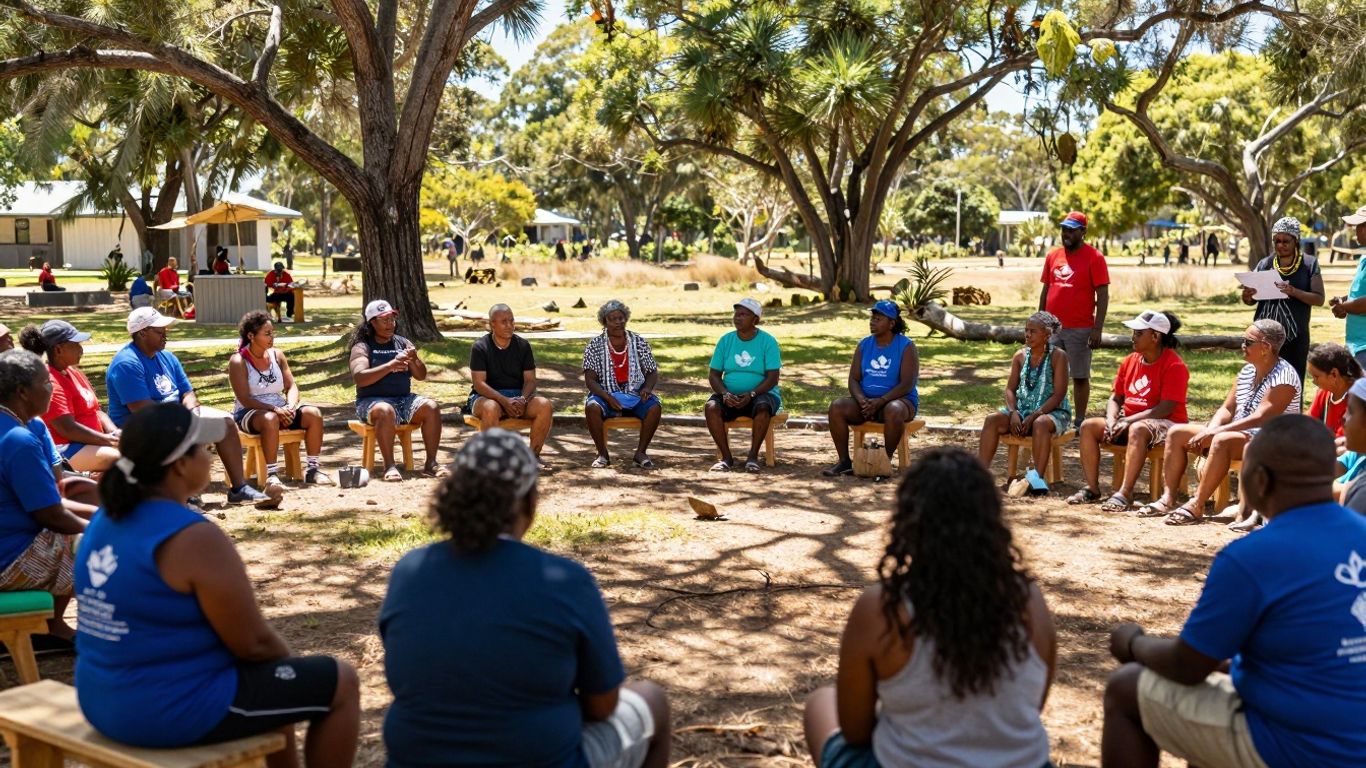
So, how do we actually know if the National Aboriginal and Torres Strait Islander Health Plan is working? That’s where measuring progress comes in. It’s not just about setting goals; it’s about tracking whether we’re hitting them and what that means for the future. We need to look at how the plan is being put into action and if it’s making a real difference on the ground.
Evaluating the Implementation Plan
Putting a big plan like this into practice is a huge undertaking. We need to see if the steps outlined are actually happening. This involves checking things like:
- Are the right people involved in making decisions?
- Is the funding getting to where it needs to go, especially to community-controlled organizations?
- Are services becoming more culturally safe and responsive to community needs?
It’s about looking at the nitty-gritty details of how the plan is being rolled out. We need to be honest about what’s working and what’s not, so we can adjust our approach. This kind of evaluation helps us understand the real-world impact and identify any roadblocks that need clearing. It’s a bit like checking your GPS when you’re on a road trip – you need to see if you’re still on the right path.
Addressing the Life Expectancy Gap
One of the biggest, most talked-about goals is closing the gap in life expectancy between Aboriginal and Torres Strait Islander peoples and non-Indigenous Australians. This isn’t just a statistic; it represents lives and wellbeing. We need to see if the health plan is contributing to longer, healthier lives for Indigenous Australians. This means looking at health outcomes over time and seeing if the trends are moving in the right direction. It’s a long-term game, for sure, but every bit of progress counts.
The Role of Research in Indigenous Health
Research plays a massive part in all of this. It helps us understand what’s really going on, what the challenges are, and what solutions might work best. For the National Aboriginal and Torres Strait Islander Health Plan, research needs to be guided by Indigenous communities themselves. This means supporting Aboriginal data sovereignty, where communities have control over their own data and how it’s used. It’s about making sure research is respectful, relevant, and actually benefits the communities involved. We’re seeing a push for more community-led research, which is fantastic because it brings local knowledge and priorities to the forefront. This kind of work can help inform policy and practice, making sure that future health initiatives are built on solid, community-backed evidence. It’s about building a better future for Indigenous health through informed action and ongoing community engagement.
We need to move beyond just collecting data to using it in ways that truly reflect the health and wellbeing priorities of Aboriginal and Torres Strait Islander peoples. This means developing measures that are holistic and culturally appropriate, not just those that are easy to report to funders. The goal is to build capacity within communities to manage their own data and use it to drive positive change.
Moving Forward Together
So, we’ve talked a lot about the National Aboriginal and Torres Strait Islander Health Plan. It’s clear that closing the health gap isn’t just a nice idea; it’s something a lot of people want to see happen. The plan itself has a lot of good points, like making sure services are run by Indigenous people for Indigenous people and focusing on things like housing and jobs that really affect health. But plans are just paper if they don’t get the money and attention they need. It’s going to take everyone – governments, communities, and individuals – working together. We need to keep pushing for real action, not just talk, to make sure this plan actually makes a difference for Aboriginal and Torres Strait Islander peoples. It’s a big job, but it’s one we have to do.
Frequently Asked Questions
What is the main goal of the National Aboriginal and Torres Strait Islander Health Plan?
The main goal is to make sure that Aboriginal and Torres Strait Islander peoples have the same good health and chances in life as other Australians. It’s about closing the gap in health and making sure everyone gets the care they need.
Why is partnership important in creating this health plan?
Partnership is super important because the plan needs to be made with Aboriginal and Torres Strait Islander peoples, not just for them. When they are involved in making decisions, the plan works much better and respects their culture and needs.
What are community-controlled health organizations, and why are they important?
These are health services run by Aboriginal and Torres Strait Islander communities themselves. They are important because they understand the local culture and needs, providing care that feels safe and is effective for Indigenous people.
What does ‘social determinants of health’ mean in this plan?
It means looking at things outside of just medical care that affect health, like having a safe place to live, good education, jobs, and not facing discrimination. The plan aims to improve these areas because they have a big impact on how healthy people are.
How does the plan support Aboriginal and Torres Strait Islander people having control over their health data?
The plan supports ‘Aboriginal data sovereignty,’ which means Indigenous communities should have the power to collect, own, and use their own health information. This helps ensure data is used respectfully and benefits the communities it comes from.
What are the biggest challenges in making this health plan successful?
Some big challenges include getting enough money to put the plan into action, making sure different health services work together smoothly, and ensuring that the voices of Aboriginal and Torres Strait Islander peoples are truly heard in all decisions.