
It’s pretty wild how much digital media has changed things, right? Especially when it comes to health in South Africa. We’re talking about everything from getting the word out about important health issues to helping people make better choices for themselves. This article looks at how online tools are being used, the good and the not-so-good, for health initiatives across the country. The focus keyword here is digital media SA health, and it’s a big deal.
Key Takeaways
- Digital platforms are becoming a go-to for health promotion, helping spread awareness about everything from women’s health to cancer checks and good oral hygiene.
- Online tools are showing promise in helping people change their habits, like cutting down on drinking, reducing cannabis use, and generally living healthier lives.
- Social media is finding its place in medical training and patient support, particularly for managing conditions like Type 2 diabetes and improving how patients get information.
- Fighting bad health information online is a major challenge, but digital channels can also be used to share accurate facts and support fact-checking efforts.
- While digital media offers many benefits for health initiatives, it’s important to be aware of the risks, like spreading misinformation and potentially making health differences worse for some people.
Leveraging Digital Media for Health Promotion
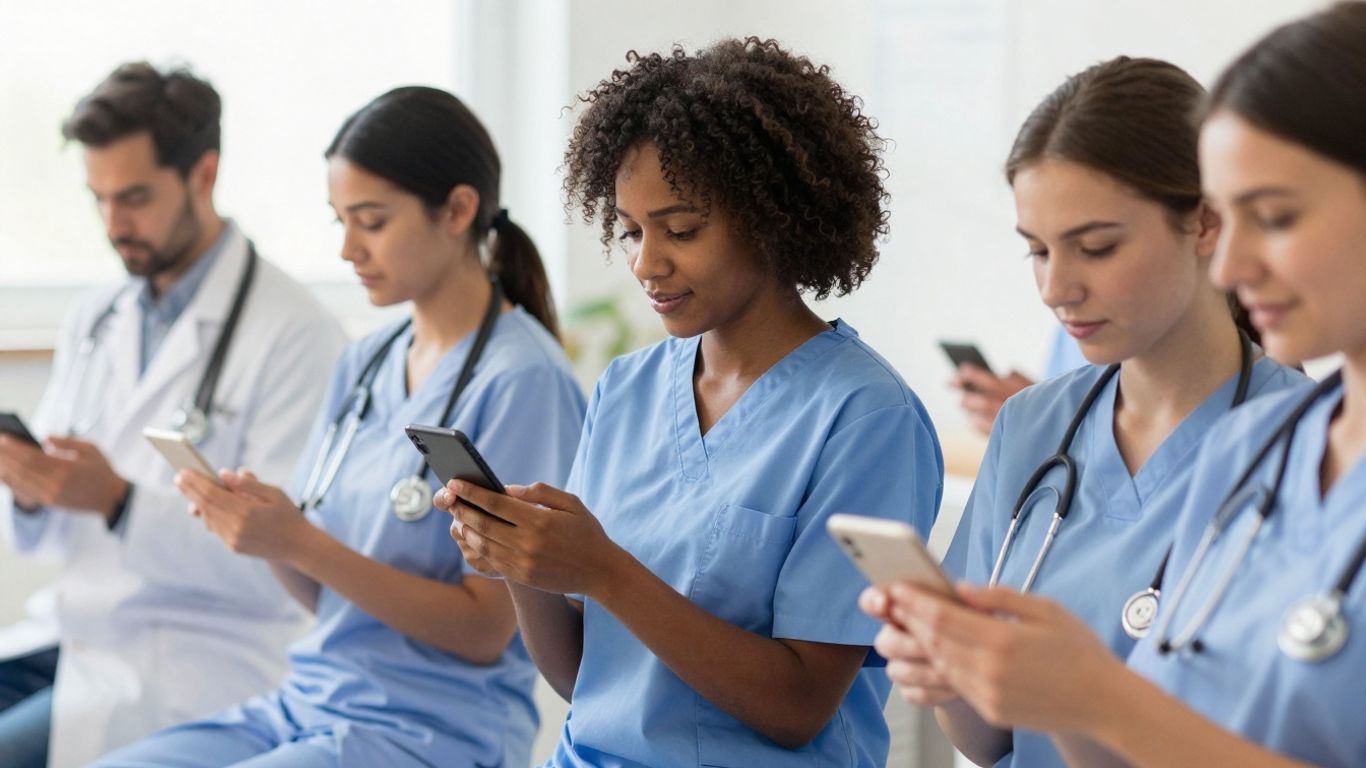
Digital platforms have really changed how we get health information out there. It’s not just about putting up posters anymore; we can reach so many more people, and in ways that feel more personal too. Think about it – social media lets us share messages that can spread like wildfire, connecting with folks who might not tune into traditional health campaigns. This is a big deal for getting important health messages to everyone, no matter where they are. 
Promoting Women’s Health Education
Getting women the health info they need is super important, and digital media makes this easier. We can share details about everything from reproductive health to staying healthy during different life stages. Online communities and targeted campaigns can offer support and education that might be hard to find otherwise. It’s about making sure women have access to reliable information when they need it.
Enhancing Oral Health Awareness
Keeping our teeth and gums healthy is something we often forget about until there’s a problem. Digital tools are great for reminding people about good oral hygiene. Short videos showing proper brushing techniques, infographics about the effects of sugar, or even simple daily tips shared on social media can make a difference. These accessible reminders help build better habits over time.
Supporting Breast Cancer Awareness and Breast Self-Examination Practices
Raising awareness about breast cancer and encouraging regular breast self-examinations is another area where digital media shines. We can share stories, explain the importance of early detection, and provide clear, step-by-step guides on how to perform self-exams. Online platforms allow for a continuous conversation, keeping this vital health practice top of mind for women.
Here’s a quick look at some areas where digital promotion has been used:
- Women’s Health Education
- Menstrual Hygiene
- Breast Cancer Awareness
- Breastfeeding Techniques
- Oral Health Promotion
- Road Safety
- Smoking Cessation
The ability to connect with large audiences and encourage user interaction makes digital platforms a powerful tool for public health. Messages can be shared quickly and widely, potentially reaching individuals who might not be exposed to traditional health marketing.
Digital Media’s Role in Behavioral Change Initiatives
It’s pretty wild how much our phones and computers influence what we do, right? When it comes to health, this digital world can be a real game-changer, pushing people toward better habits. Think about it: campaigns that used to be on posters or TV are now popping up on your feed, talking directly to you.
Reducing Risky Drinking Among Young Adults
We’ve seen some interesting work using social media to get young adults to think twice about how much they’re drinking. Instead of just telling them ‘don’t drink too much,’ these campaigns often use the same kind of language and visuals that young people are used to seeing online. It’s about meeting them where they are. For instance, some studies have used social media ads to reach out to young people who might be drinking a bit too much, and the early results look promising.
- Tailored Messaging: Using relatable content that speaks to young adults’ experiences.
- Interactive Campaigns: Encouraging participation through polls, Q&As, and challenges.
- Peer Influence: Leveraging influencers or community leaders who resonate with the target audience.
The key is making the message feel less like a lecture and more like a conversation. When health initiatives feel authentic and relevant to daily life, they’re more likely to stick.
Combating Cannabis Consumption
Similar to drinking, social media is also being explored to address cannabis use, especially among emerging adults. The goal here isn’t always outright prohibition but often focuses on harm reduction and informed choices. Developing interventions that use persuasive questioning and behavioral nudges, delivered through platforms people use every day, is a growing area of research. It’s a complex issue, and finding the right digital approach is still a work in progress.
Encouraging Healthier Lifestyle Choices
Beyond specific issues like drinking or cannabis, digital media plays a huge part in promoting general healthy living. This can range from fitness challenges on platforms like TikTok to sharing healthy recipes on Instagram. The sheer reach of these platforms means that messages about diet, exercise, and mental well-being can get out to millions. It’s about creating a supportive online environment that encourages positive actions. We’re seeing more and more efforts to integrate these digital tools with actual health systems, which could make a big difference in how people manage long-term health conditions. For example, research into how adolescents in rural South Africa use generative AI for creative storytelling shows how young people are engaging with new technologies [e302].
- Promoting physical activity through shared goals and progress tracking.
- Sharing accessible, nutritious meal ideas and cooking tips.
- Offering resources for stress management and mindfulness practices.
Social Media in Medical Education and Patient Care
It’s pretty wild how much social media has changed things, right? It’s not just for sharing vacation photos anymore. In the world of medicine, platforms like Twitter, Facebook, and even specialized networks are becoming really important tools. They’re changing how doctors learn, how they teach, and even how they connect with patients.
Improving Type 2 Diabetes Self-Management
Managing type 2 diabetes is a daily challenge for millions. Social media offers a new way to support these individuals. Online communities and dedicated groups allow patients to share experiences, tips, and encouragement. This peer-to-peer support can be incredibly motivating and help people stick to their treatment plans. Think about it: instead of feeling alone, you can connect with others who truly understand what you’re going through. Many healthcare providers are also using these platforms to share reliable information and answer common questions, making it easier for patients to access support when they need it.
Creative Patient Care Strategies
Doctors and nurses are getting pretty creative with how they use social media to care for patients. Beyond just sharing general health tips, some are using it for more direct communication. For instance, platforms can be used to send out reminders for appointments or to share updates about public health issues. It’s also a way for healthcare professionals to build a more personal connection with their patients, making them feel more comfortable and heard. This can lead to better adherence to medical advice and a more positive overall healthcare experience.
Facilitating Patient Education
Educating patients effectively has always been a goal, and social media is opening up new avenues. Instead of relying solely on pamphlets or in-person consultations, healthcare professionals can create and share engaging content online. This could be anything from short videos explaining a medical procedure to infographics detailing healthy eating habits. The accessibility of these platforms means that patients can learn at their own pace and revisit information as needed. Some medical students are even creating their own educational videos, which has been shown to be a successful way to engage with learning material [8dce].
Here’s a quick look at how social media is being used:
- Information Dissemination: Sharing public health alerts and general wellness advice.
- Community Building: Creating online spaces for patients with similar conditions.
- Professional Development: Connecting healthcare providers for knowledge sharing and support.
- Patient Engagement: Encouraging patients to take an active role in their health.
The integration of social media into healthcare is still evolving. While it offers many benefits for education and patient care, it’s important to use these tools responsibly and ethically. Finding the right balance between digital interactions and traditional healthcare practices is key to maximizing the advantages while minimizing potential downsides.
Addressing Health Misinformation Through Digital Channels
It feels like everywhere you look online, there’s some health advice being thrown around. And honestly, not all of it is good. The internet is a huge place, and that means bad information can spread just as fast, if not faster, than the good stuff. This is a big problem when we’re trying to get people to make healthy choices.
Combating False Health Claims
One of the biggest headaches is dealing with outright false health claims. You see them all the time – miracle cures for serious diseases, diet fads that promise the world, or warnings about common medical practices that just aren’t true. These claims often play on people’s fears or hopes, making them seem really convincing, even when there’s no science behind them. The speed at which these falsehoods can travel across social media platforms is frankly alarming.
- Sensationalism: False claims often use dramatic language and emotional appeals to grab attention. Think "Cancer Cured by This One Weird Trick!" – it’s designed to shock and spread.
- Lack of Evidence: They rarely, if ever, cite credible scientific studies. Instead, they might rely on personal anecdotes or vague testimonials.
- Targeting Vulnerable Groups: Often, these claims prey on individuals who are desperate for solutions or who distrust traditional medicine.
Boosting Fact-Checking Initiatives
So, what can we do about it? Well, one important step is getting better at fact-checking. This means not just pointing out when something is wrong, but actively working to verify information before it gets too much traction. It’s a bit like being a detective for health facts.
- Promoting Reputable Sources: We need to make it easier for people to find and trust official health organizations and qualified medical professionals online.
- Developing Tools: There are efforts to create tools and browser extensions that can flag questionable content or link to verified information.
- Media Literacy Education: Teaching people how to critically evaluate online information is key. This includes understanding how to spot red flags and where to look for reliable answers.
The sheer volume of information online makes it tough for anyone to sort through it all. When misinformation looks and sounds convincing, it can lead people down the wrong path, away from treatments that actually work and towards things that could be harmful.
Disseminating Accurate Online Health Information
Ultimately, the best way to fight bad information is to flood the internet with good, accurate information. This means health organizations, doctors, and public health bodies need to be active online. They need to share clear, easy-to-understand health advice in places where people are actually looking for it. It’s about making sure the right answers are just as easy to find as the wrong ones. This includes using social media, blogs, and other digital platforms to share evidence-based health tips and updates.
Digital Platforms for Health Research and Surveillance
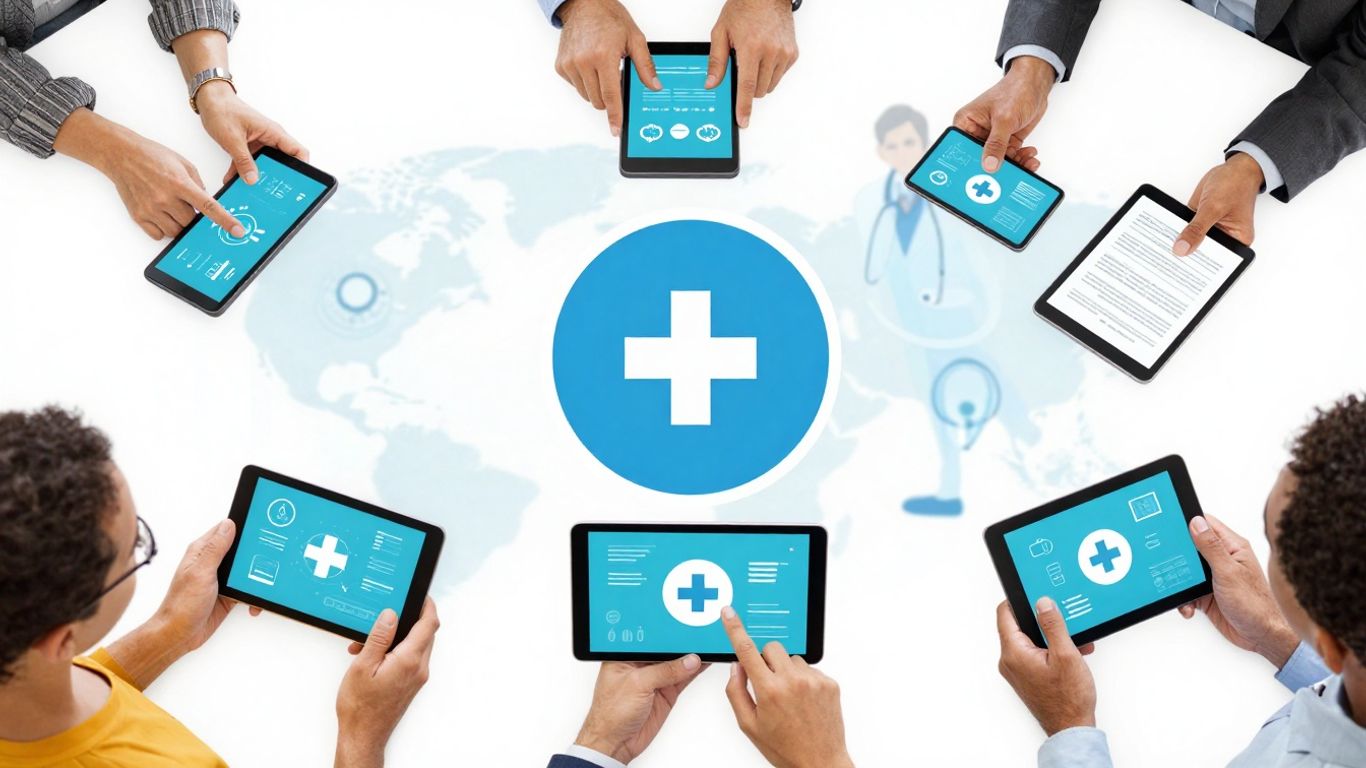
It’s pretty amazing how much information we can gather and share these days, all thanks to digital platforms. When it comes to health, this is a game-changer for researchers and public health folks.
Broadening the Impact of Public Health Research
Think about it: researchers can now reach way more people than ever before. They can find participants for studies online, which is a huge step up from just relying on local communities. Plus, sharing research findings is so much faster. A quick post on social media can get a study in front of thousands, maybe even millions, of eyes. This means important health information gets out there quicker, helping more people.
- Finding study participants across wider areas.
- Sharing research results to a larger audience.
- Getting feedback and engaging with the public on health topics.
Social Media Use by Health Researchers
Researchers are really using social media for all sorts of things. It’s not just about sharing papers, though that’s a big part of it. They’re using platforms like Twitter and Facebook to connect with other experts, join discussions, and even get real-time insights from what people are talking about online. It’s like having a constant pulse on public health conversations. This kind of interaction can really help shape future research directions and make sure it’s relevant to what people actually need. We’re seeing a lot of professional organizations and even government health bodies using these channels to talk about science and health, which is pretty cool.
The ability to connect and share information rapidly through digital channels has fundamentally changed how health research is conducted and disseminated. This interconnectedness allows for quicker identification of trends and broader engagement with findings.
Disease Surveillance in Public Health
This is where things get really interesting. Digital platforms are becoming super important for keeping an eye on diseases. Instead of waiting for official reports, we can sometimes spot outbreaks early by looking at what people are posting online. For example, if lots of people in a certain area start tweeting about flu symptoms, health officials can investigate much faster. This kind of real-time monitoring, sometimes called syndromic surveillance, can make a big difference in how quickly we can respond to public health threats. It’s a way to use the collective information people are already sharing to keep everyone safer. Mobile phones and social media are being used a lot for this in places like Africa, helping to track and predict disease spread across the continent [6f31].
Here’s a quick look at how it works:
- Monitoring Online Conversations: Watching social media for mentions of symptoms or illnesses.
- Geotagged Data Analysis: Using location data from posts to pinpoint outbreaks.
- Early Warning Systems: Alerting health authorities to potential public health issues sooner.
| Platform Type | Surveillance Application | Example | Data Source |
|---|---|---|---|
| Social Media | Infectious Disease Tracking | Flu outbreaks | Tweets, posts |
| News Aggregators | Foodborne Illness Detection | Restaurant review complaints | Online news articles |
| Mobile Data | Population Movement Analysis | Disease spread patterns | User-generated location data |
Navigating Risks and Ethical Considerations in Digital Health
While digital media offers amazing ways to connect and share health information, it’s not all smooth sailing. We have to be smart about the downsides. It’s like using a powerful tool – you need to know how to handle it safely.
Potential for Disseminating Misinformation
This is a big one. Because anyone can post online, false health claims can spread like wildfire. People might see something that sounds convincing, even if it’s completely wrong, and make health decisions based on it. It’s tough to sort out what’s real from what’s not sometimes.
- Unverified ‘Experts’: Anyone can claim to be knowledgeable, leading to a flood of unqualified advice.
- Emotional Content: Posts designed to provoke strong feelings often get shared more, regardless of accuracy.
- Cultural Differences: What’s considered healthy or acceptable can vary greatly, leading to conflicting information.
It’s easy to get caught up in the speed of online information, but taking a moment to check sources can prevent a lot of trouble down the line. Not everything you read is true, and sometimes the most popular posts are the least reliable.
Exacerbating Health Disparities
Digital tools aren’t always available to everyone equally. If a health initiative relies heavily on online platforms, people without reliable internet access or the skills to use technology might be left behind. This can make existing health differences even worse.
- Access Issues: Not everyone has a smartphone or consistent internet service.
- Digital Literacy: Some individuals may struggle with using online tools or understanding digital health information.
- Language Barriers: Content might not be available in all necessary languages, excluding certain communities.
Fostering Maladaptive Behaviors
Sometimes, online spaces can unintentionally encourage unhealthy habits. Think about the pressure to always be online, or seeing idealized versions of life that make people feel inadequate. This can impact mental well-being and lead to unhealthy coping mechanisms.
| Behavior Type | Potential Online Influence |
|---|---|
| Social Comparison | Constant exposure to curated, often unrealistic, lifestyles |
| Fear of Missing Out | Anxiety driven by seeing others’ activities online |
| Cyberbullying | Negative interactions leading to stress and isolation |
It’s important to remember that while digital media connects us, it can also create pressure. Being mindful of how much time we spend online and the content we consume is key to maintaining our mental health. We need to be critical consumers of online health information and aware of how digital platforms can affect our well-being.
Wrapping It Up
So, looking back at how digital media has changed things for health initiatives in South Africa, it’s pretty clear it’s a mixed bag. We’ve seen how platforms like social media can be super useful for getting health info out there, encouraging people to make healthier choices, and even helping researchers connect. Think about campaigns for things like risky drinking or diabetes management – they’ve shown some real promise online. But, it’s not all smooth sailing. There’s the big issue of misinformation spreading like wildfire, and we need to be careful that these digital tools don’t end up leaving some folks behind. Finding that sweet spot between using these new digital tools and sticking with what we know works traditionally is going to be key. We’ve got a lot more to learn about the long-term effects and the best ways to use this technology to actually help people, without causing new problems. It’s an ongoing conversation, for sure.
Frequently Asked Questions
How can digital tools help spread health information?
Digital tools like social media, websites, and apps can share health tips and news quickly with lots of people. This helps spread important information about staying healthy, like how to eat well or exercise, to a wide audience.
Can online platforms help people change unhealthy habits?
Yes, online platforms can be used to encourage healthier choices. For example, campaigns on social media can help young people drink less alcohol or guide people toward healthier lifestyles by sharing success stories and tips.
How is social media used in doctor training and patient help?
Doctors and other health workers use social media to share knowledge, learn new things, and even care for patients better. It can help patients manage long-term health issues like diabetes by providing them with easy-to-access information and support.
What is being done to stop fake health news online?
To fight wrong health information, experts are working to share true health facts online more often. Fact-checking groups and health professionals use digital channels to correct false claims and make sure people get accurate advice.
Can digital tools help track diseases?
Absolutely. Researchers and health organizations use social media and other online tools to gather information about public health. This helps them understand how diseases are spreading and respond more quickly to health issues.
What are the downsides of using digital media for health?
While digital media offers many benefits, there are risks. It can sometimes spread wrong information, make health differences between groups worse, and even encourage harmful behaviors. It’s important to be aware of these issues and use digital health tools wisely.