Feeling like your brain’s running on fumes lately? In 2026, with all the digital noise and constant demands, it’s easy to feel mentally drained. Lots of people are looking for ways to focus better, remember more, and just feel sharper overall. That’s where the idea of a ‘Neuro Energizer’ comes in. But with so much out there, it’s hard to know what actually works. This guide cuts through the fluff to show you some of the best health and wellness digital products that can help. We’ll look at simple tools and strategies to give your mind a boost.
Key Takeaways
- Nootropic supplements can help with focus and memory, but always check reviews and dosing.
- Specialized music and guided meditations can be tools for mental reset and focus.
- Good sleep and regular movement are the foundation for any cognitive boost.
- Noise-cancelling headphones create a quiet space for concentration.
- Smart scales and training sensors offer data to track physical health, which impacts mental well-being.
1. Nootropic Supplements
Feeling that midday slump more often than you’d like? In today’s world, keeping your brain sharp and focused can feel like a constant battle. That’s where nootropic supplements come into play. Think of them as targeted support for your brain, aiming to help with things like memory, concentration, and overall mental energy. It’s not about a magic fix, but more about giving your brain some extra tools to work with.
These supplements often contain a mix of vitamins, minerals, and plant-based ingredients. The idea is that by combining these elements, they can work together to support brain function. It’s a growing area, and people are looking for ways to manage the mental demands of modern life. 
Here are some common ingredients you might find and what they’re thought to do:
- L-Theanine: Often found in green tea, this amino acid is known for promoting relaxation without drowsiness, which can help with focus.
- Bacopa Monnieri: An herb used in traditional medicine, it’s believed to help with memory and information processing.
- Rhodiola Rosea: This adaptogen is thought to help the body manage stress, which can indirectly support mental energy.
- Lion’s Mane Mushroom: This mushroom is gaining attention for its potential to support nerve growth factors, which are important for brain health.
- Phosphatidylserine: A type of fat that’s a key component of cell membranes, especially in the brain, and is linked to memory function.
Choosing the right nootropic involves looking beyond just the ingredient list. It’s about understanding how they might work together and what your personal goals are. Are you trying to power through a tough project, study for an exam, or just feel more alert during the day?
It’s important to remember that nootropics aren’t a substitute for a healthy lifestyle. Getting enough sleep, eating well, and staying hydrated are still the bedrock of good brain health. Supplements can be a helpful addition, but they work best when the basics are covered.
When you’re looking into nootropics, it’s a good idea to do some research. Check out reviews from reliable sources and look for brands that are transparent about their ingredients and manufacturing processes. And as always, if you have any health conditions or are taking other medications, it’s smart to chat with a doctor before you start anything new.
2. Neuro Energizer Music
Feeling that midday brain fog creep in? You’re not alone. In 2026, the constant barrage of information and digital demands can leave anyone feeling mentally drained. That’s where Neuro Energizer Music comes into play, offering a unique way to tune up your brain.
This isn’t just background noise; it’s specially crafted audio designed to influence your brainwave patterns. Think of it like a gentle nudge, guiding your mind toward states of deep focus, calm, or even creative flow. The science behind it often involves specific frequencies, binaural beats, and isochronic tones that work with your brain’s natural rhythms. The goal is to help you achieve sustained mental energy without the jitters or the eventual crash associated with stimulants.
Here’s a quick look at how different types of Neuro Energizer music can help:
- For Deep Focus: Tracks designed to promote beta or gamma brainwaves, ideal for tackling complex tasks or studying. These sounds can help minimize distractions and keep you locked in.
- For Relaxation & Stress Relief: Alpha and theta wave frequencies are often used here, promoting a calm, meditative state that can help melt away tension.
- For Creativity & Problem Solving: Sometimes a mix of frequencies, or specific patterns, are used to encourage a more open, associative state of mind, helping new ideas surface.
- For Sleep: Delta waves are typically employed to help you drift off into restful sleep, crucial for overall cognitive function.
It’s important to match the music to your goal. Listening to relaxing delta-wave music while trying to analyze a complex report, for instance, is unlikely to yield the results you’re looking for. Experimenting with different types of Neuro Energizer sound can help you discover what works best for your individual needs and tasks. Consistency is key; while you might feel some effects quickly, regular listening over weeks can lead to more lasting improvements in your cognitive baseline.
3. Guided Meditation
Feeling scattered? Like your brain’s doing a million things at once but not really focusing on any of them? Guided meditation is a pretty straightforward way to pull things back together. It’s basically having someone talk you through a relaxation or mindfulness exercise. You just listen and follow along.
It’s not about emptying your mind completely, which is a common misconception. Instead, it’s about gently bringing your attention back when it wanders, which it will. Think of it like training a puppy – you just keep guiding it back to where you want it to go.
Here’s a simple breakdown of how a typical session might go:
- Find a quiet spot: Doesn’t have to be fancy, just somewhere you won’t be interrupted for 10-20 minutes.
- Get comfortable: Sit or lie down. Whatever feels most relaxed for you.
- Listen to the guide: They’ll usually start with some deep breaths to help you settle in.
- Focus on your breath or body: The guide will direct your attention, maybe to the sensation of breathing or to different parts of your body.
- Acknowledge thoughts: When your mind drifts (and it will!), just notice it without judgment and gently return your focus.
- Gentle return: The guide will signal when it’s time to slowly come back to your surroundings.
The real benefit comes from consistent practice, not just doing it once. Even a few minutes each day can start to make a difference in how you handle stress and how focused you feel throughout the day.
Some people think meditation is only for super-zen people, but honestly, it’s for anyone who has a brain that sometimes feels like a runaway train. It’s a tool to help you get a little more control over your own thoughts and reactions. It’s about building a bit of space between what happens and how you respond to it.
There are tons of apps and online resources out there now, offering everything from short, 5-minute resets to longer, more in-depth sessions. You can find ones focused on stress relief, sleep, focus, or even just general well-being. It’s worth trying a few different styles to see what clicks with you.
4. Noise-Cancelling Headphones
Sometimes, you just need to tune out the world. Whether you’re trying to focus on a work project, get lost in your favorite album, or just find a moment of peace on a noisy commute, a good pair of noise-cancelling headphones can be a game-changer. These aren’t just for audiophiles anymore; they’ve become a pretty standard tool for anyone looking to manage their auditory environment.
The best noise-cancelling headphones create a quiet bubble around you, letting you hear what you want to hear, and nothing else. They work by using microphones to pick up ambient sound and then generating an opposite sound wave to cancel it out. It’s pretty neat tech when you think about it.
Here’s what to look for:
- Active Noise Cancellation (ANC) Quality: This is the main event. Some headphones are better than others at blocking out different types of noise, like low rumbles from engines or higher-pitched chatter.
- Sound Quality: Even with ANC, you want your music or podcasts to sound good. Look for balanced audio that isn’t muddy or tinny.
- Comfort: If you plan on wearing them for long stretches, especially during travel, comfort is key. Check out the earcups and headband.
- Battery Life: How long do they last on a single charge? This is super important if you’re going to be away from a power source for a while.
- Connectivity: Most use Bluetooth, but check for features like multipoint pairing, which lets you connect to two devices at once – handy for switching between your phone and laptop.
When you’re picking out a pair, think about where you’ll use them most. If it’s for flying, you’ll want top-tier ANC. If it’s for the office, comfort and a good microphone for calls might be more important. It’s not just about blocking noise; it’s about creating your personal sound space.
Brands like Sony and Bose have long been leaders in this space, consistently putting out models that impress with their ability to silence distractions. But newer players are also making waves, offering competitive features and sound at different price points. It’s worth checking out reviews for the latest models, like the Dyson OnTrac or the Sony WH-1000XM6, to see what’s currently leading the pack in 2026.
5. Smart Wallets
Forget those bulky leather monstrosities from years past. Smart wallets are here, and they’re making carrying your cash and cards way more convenient, and honestly, a lot less stressful. These aren’t just for tech geeks anymore; they’re for anyone who’s ever frantically patted their pockets searching for a misplaced wallet.
The biggest draw is the peace of mind they offer. Most smart wallets come with built-in tracking, usually through an app on your phone. If you leave it behind at a coffee shop or it gets swiped, you can ping its location. Some even have features like RFID blocking to keep your card information safe from digital pickpockets.
Here’s a quick look at what makes them stand out:
- Tracking Capabilities: Connects to your phone via Bluetooth or a dedicated app to show you the last known location.
- Slim Design: They’re designed to be minimalist, holding just the essentials without adding bulk.
- Durability: Often made from materials like aluminum or tough leather, built to last.
- Organization: Some have clever mechanisms for quickly accessing your cards.
While the idea of a ‘smart’ wallet might sound complicated, the reality is they’re designed for simplicity. Think of it as your old wallet, but with a digital guardian angel watching over it. It’s a small change that can make a big difference in your daily routine, especially if you’re prone to misplacing things.
For example, a wallet made from premium leather might age beautifully over time, developing a unique patina, while still offering the security of knowing you can track it if it goes missing. Others might use sleek metal designs that feel modern and secure. It’s about blending old-school utility with new-age tech to keep your essentials safe and accessible.
6. Portable Speakers
When you want to share your tunes or just need some background noise while you’re out and about, a good portable speaker is a must-have. Forget those tinny phone speakers; we’re talking about devices that can actually fill a space with sound.
The best portable speakers today offer a solid mix of sound quality, battery life, and durability. Whether you’re heading to the park, the beach, or just moving from room to room in your house, these gadgets make it easy to bring your music, podcasts, or audiobooks with you.
Here’s what to look for:
- Sound Quality: Don’t just go for loud. Look for speakers that offer clear highs, decent mids, and a bit of bass without sounding muddy. Many brands now offer 360-degree sound, which is great for group settings.
- Battery Life: This is key for portability. Aim for at least 10-15 hours of playback on a single charge. Some top models can go for 20-30 hours or even more, which is fantastic for longer trips.
- Durability: If you plan on taking your speaker outdoors, look for water and dust resistance (often rated with an IP code, like IP67). Drop resistance is also a big plus.
- Connectivity: Most use Bluetooth, but check the version (newer is better for range and stability) and see if they offer multi-device pairing, so you can switch between your phone and laptop easily.
A portable speaker isn’t just about playing music louder; it’s about creating an atmosphere wherever you are. Think about where you’ll use it most – if it’s mostly indoors, you might prioritize sound fidelity. If it’s for outdoor adventures, ruggedness and battery life become more important.
For example, the JBL Charge 6 is a real party starter. It’s built tough, can handle splashes and dust, and keeps the music going for a solid 28 hours. That’s enough for a whole weekend camping trip without needing to find an outlet. It’s about the size of a water bottle, so it fits pretty much anywhere. It proves you don’t need a huge setup to get big sound on the go.
7. Smart Scales
Forget those old-school scales that just tell you your weight. The smart scales of 2026 are like having a mini health lab right in your bathroom. They go way beyond just pounds and kilograms, giving you a much clearer picture of what’s really going on inside your body. These devices are becoming essential tools for anyone serious about tracking their fitness progress and overall well-being.
What can they do? A lot, actually. Most smart scales now measure body composition, which means they can tell you your body fat percentage, muscle mass, water weight, and even bone density. This is super helpful because sometimes your weight might stay the same, but you could be losing fat and gaining muscle, which is a great sign! They use bioelectrical impedance analysis (BIA) to do this – basically, a tiny, harmless electrical current runs through your body to measure resistance.
Here’s a look at what you can expect:
- Body Fat Percentage: Tracks how much of your body is fat versus lean mass.
- Muscle Mass: Shows the amount of muscle you have, important for metabolism and strength.
- Water Weight: Monitors your hydration levels, which can fluctuate daily.
- Bone Density: Gives an estimate of your bone mineral content.
- Heart Rate: Some advanced models can even take a quick heart rate reading.
- Metabolic Age: Compares your body composition to average metrics for different age groups.
These scales usually connect to an app on your phone via Wi-Fi or Bluetooth. The app then keeps a history of your measurements, lets you set goals, and often provides insights or trends over time. It’s pretty neat to see how your diet and exercise changes actually impact your body composition over weeks and months.
When you’re looking at the numbers, remember that consistency is key. Try to weigh yourself at the same time of day, ideally in the morning before you eat or drink anything, and after using the restroom. This helps minimize daily fluctuations and gives you the most reliable data for tracking your progress.
8. Training Sensors
Forget just tracking steps; training sensors are getting seriously smart. These little gadgets are designed to give you a much deeper look into what your body is actually doing during a workout, helping you train smarter, not just harder. Think of them as your personal biomechanics coach, right there with you.
One of the coolest advancements is in real-time body temperature monitoring. Devices like the Core 2 Thermal Sensor are now smaller and lighter, making them easy to wear during intense activity. Athletes are using these to keep an eye on heat stress, which is super important for preventing burnout and making sure you don’t ‘overcook’ yourself mid-event. It helps you figure out the best times to cool down or adjust your intensity.
Here’s a quick look at what these sensors can track:
- Body Temperature: Real-time monitoring to manage heat stress and optimize performance.
- Biomechanical Data: Analyzing your form, stride, or swing to identify inefficiencies and reduce injury risk.
- Muscle Oxygenation: Understanding how well your muscles are getting oxygen during exertion.
- Heart Rate Variability (HRV): Gauging your recovery status and readiness to train.
The real game-changer with these advanced training sensors is the shift from just collecting data to providing actionable insights. Instead of just seeing a number, you get guidance on how to use that information to improve your training, recovery, and overall performance. It’s about making your workouts more effective and keeping you in the game longer.
These sensors are becoming more integrated with other fitness tech, too. You might see them paired with smartwatches or even built into clothing. The goal is to give you a complete picture of your body’s response to exercise, helping you push your limits safely and effectively.
9. Gaming Laptops
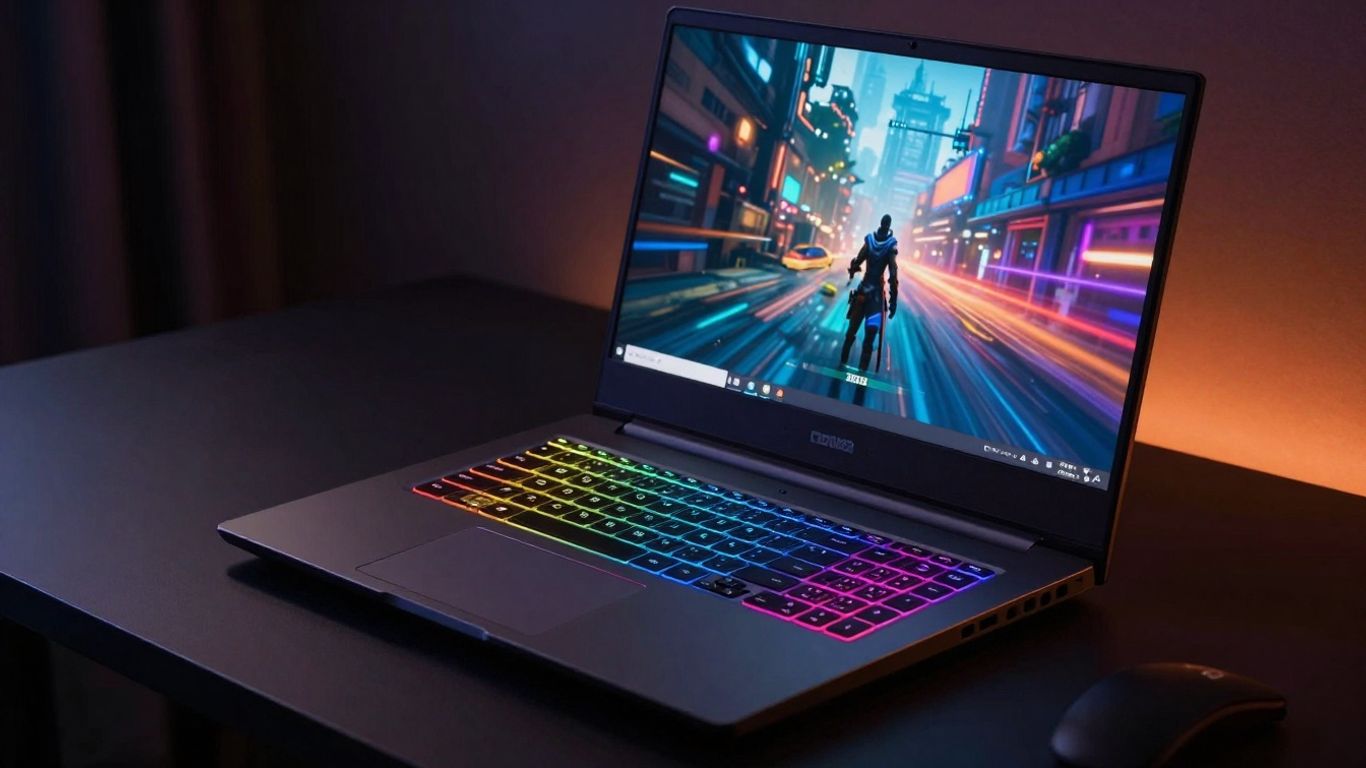
Okay, so maybe you’re not planning on becoming a pro gamer, but that doesn’t mean you can’t appreciate what a good gaming laptop can do for your overall well-being. These machines are built for speed and power, which translates to a super smooth experience whether you’re battling dragons or just trying to get through a pile of work emails. Think of them as the high-performance vehicles of the laptop world.
The real benefit here is the sheer processing muscle they pack. This means multitasking is a breeze, and demanding applications run without a hitch. Plus, the graphics capabilities are top-notch, making everything from spreadsheets to video editing look incredibly sharp and vibrant. It’s not just about games; it’s about having a machine that can handle anything you throw at it, quickly and efficiently.
Here’s a quick look at what makes them stand out:
- Powerful Processors: These laptops often feature the latest and greatest CPUs, designed for heavy lifting.
- Dedicated Graphics Cards: Essential for gaming, but also great for graphic design, video rendering, and even complex data analysis.
- High Refresh Rate Displays: Smoother visuals mean less eye strain, especially during long sessions.
- Advanced Cooling Systems: Keeps the machine running optimally, preventing slowdowns and extending its lifespan.
While they might seem like overkill for everyday tasks, the robust build and advanced components mean a gaming laptop can last longer and perform better over time. It’s an investment in a device that won’t leave you waiting around.
For example, a machine like the Alienware 16 Aurora, with its top-tier chip and graphics card, makes even the most demanding games run like a dream. And it’s not just for gaming; you can easily hook it up to an external monitor for a more expansive workspace, perfect for streaming or keeping an eye on your finances. It’s about having a versatile tool that’s ready for anything.
10. Budget Headphones
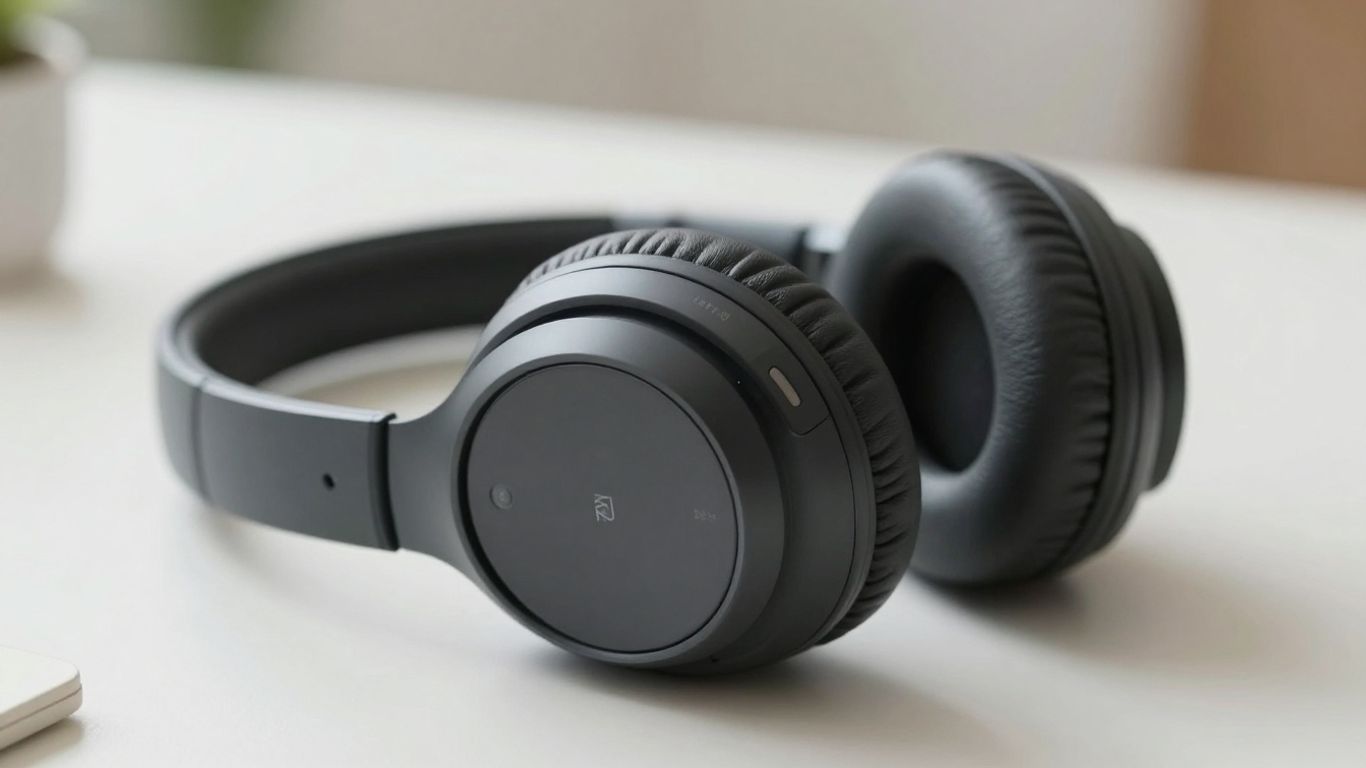
You don’t always need to spend a fortune to get decent sound. For those times when you want to tune out the world or just enjoy your tunes without breaking the bank, budget headphones are a solid choice. They’ve come a long way, offering surprisingly good audio quality and features that used to be reserved for pricier models.
Finding the right pair means looking for a balance between sound, comfort, and durability. It can feel a bit overwhelming with so many options out there, but focusing on a few key aspects can help.
Here are some things to consider when shopping for affordable headphones:
- Sound Quality: Even on a budget, you can find headphones that deliver clear highs and decent bass. Read reviews to see what people say about the audio profile.
- Comfort: If you plan on wearing them for extended periods, look for soft earcups and an adjustable headband. Nobody likes sore ears.
- Durability: Cheaper doesn’t have to mean flimsy. Check for sturdy construction, especially around the headband and where the cable connects.
- Features: Some budget models now include features like active noise cancellation (ANC) or water resistance, which are great for commuting or workouts.
For instance, the JLab Go Sport+ are a good example of a budget-friendly option that holds up well, especially if you need something for exercise. They’re water-resistant and won’t cost you much.
Sometimes, the simplest tech is the most effective. You might not get all the bells and whistles of high-end models, but for everyday listening, commuting, or just enjoying a podcast, a good pair of budget headphones gets the job done without a fuss. They prove that great sound doesn’t have to come with a hefty price tag.
Your Health Journey Continues
So, we’ve looked at some pretty cool digital tools that can help you feel better and think clearer in 2026. It’s not about finding one magic fix, you know? It’s more about picking a few things that seem right for you and sticking with them. Remember, making small changes consistently is way better than trying to do everything at once and getting overwhelmed. Your health and wellness are a journey, and these digital products are just tools to help you along the way. Keep exploring, keep trying, and find what works best for your own path.
Frequently Asked Questions
What are nootropic supplements and how do they help my brain?
Nootropics are like special vitamins or herbs for your brain. They’re made to help you focus better, remember things more easily, and keep your mind sharp. Think of them as a way to give your brain a little extra boost when you need it for studying or work.
How can music help me focus or relax?
Some music is made with special sounds, like binaural beats, that can actually change how your brain waves work. This type of music, sometimes called ‘Neuro Energizer Music,’ can help you get into a focused state for tasks or a relaxed state for chilling out. It’s like a soundtrack for your brain.
What’s the point of guided meditation?
Guided meditation is like having a coach talk you through relaxing and clearing your mind. It helps calm down racing thoughts, reduce stress, and make you feel more peaceful. It’s a great way to take a mental break and recharge your brain.
Why are noise-cancelling headphones good for focus?
These headphones are awesome because they block out distracting sounds around you, like chatter or traffic. When you can’t hear the noise, it’s much easier to concentrate on what you’re doing, whether it’s homework, reading, or a creative project.
How do smart scales help with health?
Smart scales do more than just tell you your weight. They can also measure things like body fat, muscle mass, and even heart health. This gives you a more complete picture of your fitness and helps you track progress beyond just the number on the scale.
What are training sensors used for?
Training sensors are small devices, often worn during exercise, that track how your body is performing. They can measure things like your heart rate, body temperature, or how efficiently you’re moving. Athletes use them to understand their body better and train smarter to avoid getting too tired or hurt.