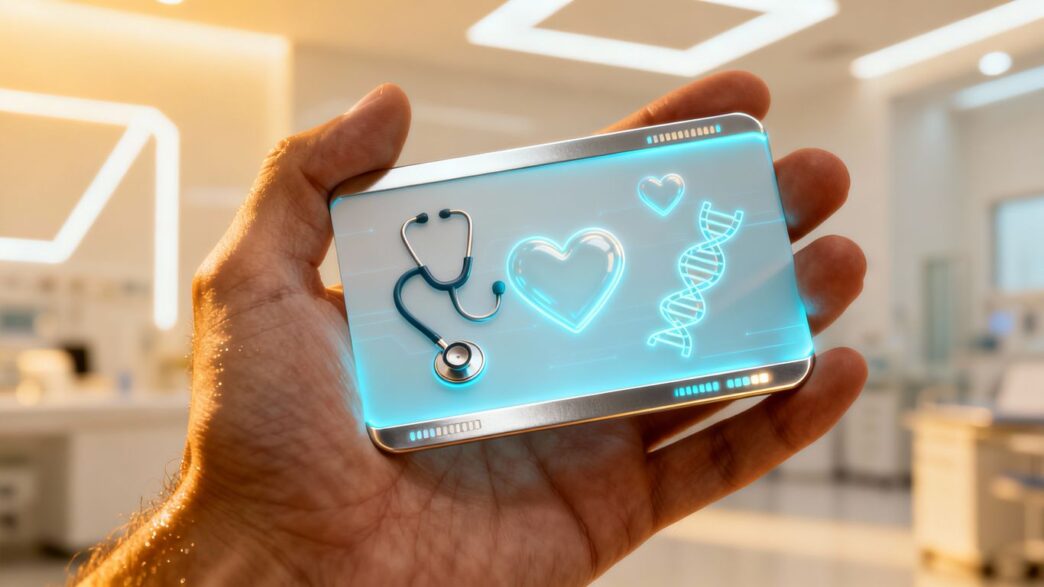
So, the whole idea of a health care card digital is really taking off. It’s like, instead of fumbling with old-school cards, everything’s getting smarter and more connected. This means easier access to places and information, but also some serious thinking about keeping all that patient data safe. We’re talking about cards that do more than just open doors; they’re becoming a key part of how healthcare works today and tomorrow.
Key Takeaways
- Smart card tech is changing how we handle healthcare access, moving from basic cards to digital versions.
- These digital health care cards make getting into facilities smoother and offer quick, contactless ways to get what you need.
- Patient information gets better protection with these digital cards, thanks to strong security and ways to keep data private.
- Special cards, like smart SIMs, are boosting connectivity for healthcare workers and making sure their communications are secure.
- The future looks even more connected, with things like eSIMs playing a bigger role in how we manage health data and devices.
The Evolution Of The Health Care Card Digital
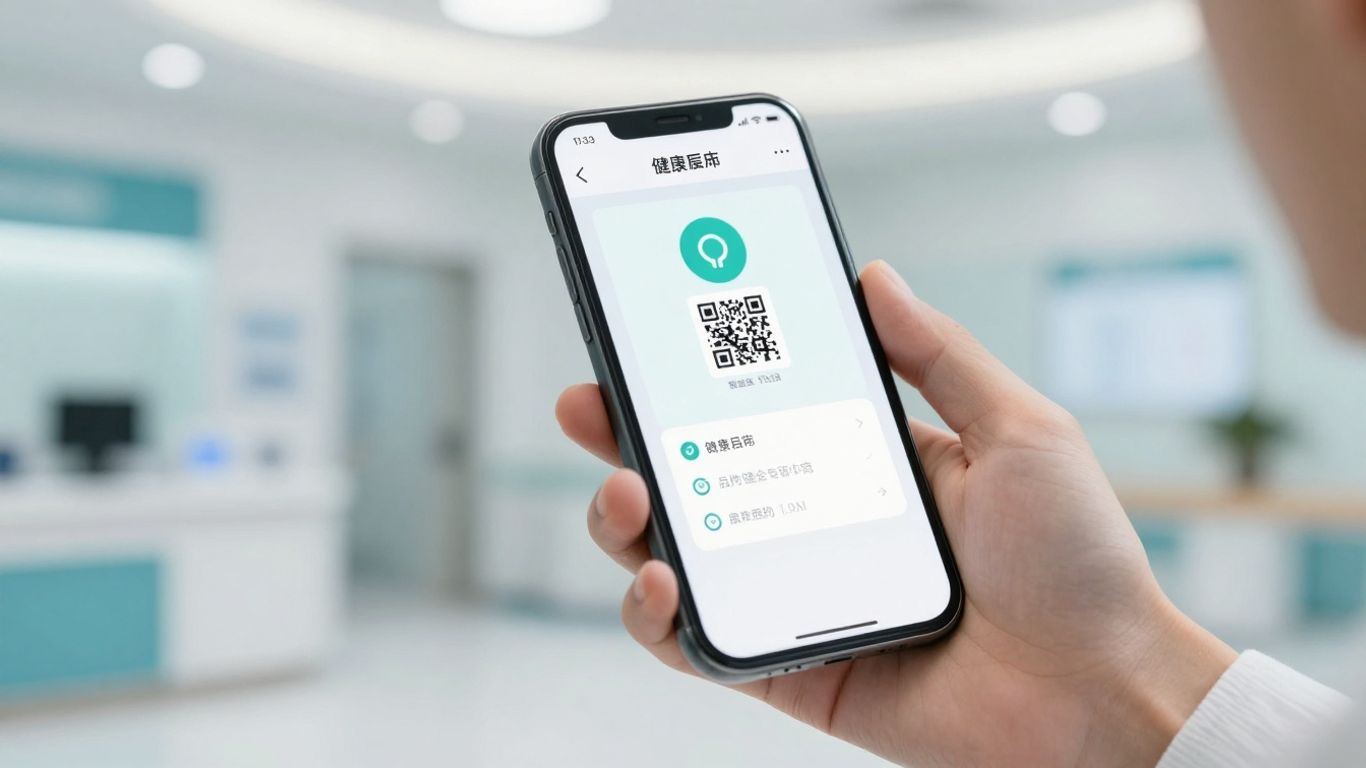
Remember when health cards were just those flimsy plastic things with your basic info? Yeah, me too. They were okay for what they were, but honestly, not exactly cutting-edge. Now, though, we’re seeing a whole new generation of these cards, and they’re pretty impressive. It’s like going from a flip phone to a smartphone, but for your medical access. 
Understanding Smart Card Technology
So, what makes these new cards so different? It’s all about the ‘smart’ part. Unlike the old cards with just a magnetic stripe, these new ones have a tiny computer chip built right in. This chip can actually store and process information, which is a big deal. Think of it like a mini vault for your data, but one that can also do calculations and verify who you are.
- More Secure: The chip uses encryption, making it way harder for someone to just copy or fake your card.
- More Storage: It can hold more details than just your name and ID number.
- More Functions: It can do more than just get you through a door; it can be used for payments, verifying identity, and more.
The core idea is moving from simple identification to a secure, interactive device.
Contact Versus Contactless Access
Even within the ‘smart’ card world, there are a couple of main ways they work. You’ve got your contact cards, which are the ones you actually have to stick into a reader, like an old-school ATM card. Then there are the contactless ones. These use radio waves, kind of like how your keyless entry fob works for your car. You just wave it near a reader, and boom, you’re in.
| Card Type | How it Works |
|---|---|
| Contact | Requires physical insertion into a reader. |
| Contactless | Uses radio waves (RFID/NFC) for quick scans. |
For busy places like hospitals, those contactless cards are a lifesaver. No one wants to be fumbling with cards when there’s a rush, and it’s also a lot more hygienic.
Integration With Mobile Devices
And it doesn’t stop with just a physical card. The really cool stuff happens when these smart card technologies get loaded onto your phone. We’re talking about using your smartphone as your health care ID. This means all the security and convenience of the smart card is right there in your pocket, on a device you already carry everywhere. It’s making access to healthcare services and information much more flexible, especially if you’re out and about or working remotely.
Enhancing Healthcare Access With Digital Cards
Getting around a busy hospital or clinic can feel like a maze sometimes, right? And for the folks working there, making sure the right people get to the right places without a hitch is a big deal. That’s where digital health care cards really start to shine. They’re not just fancy plastic; they’re a key to making things run smoother and safer.
Streamlined Access Control For Facilities
Think about it: no more fumbling for keys or trying to remember who has access to what. Digital cards simplify all of that. Each card is like a personalized key, programmed with exactly what the holder is allowed to access. This means doctors can get into patient wings, lab techs can access their equipment rooms, and administrative staff can get to their offices, all with a quick tap or swipe. It cuts down on confusion and makes sure only authorized personnel are in sensitive areas. This kind of system helps manage who goes where, making the whole place more secure and efficient. It’s a big step up from older methods, especially when you’re dealing with a lot of people moving around.
Contactless Convenience In High-Traffic Areas
Now, imagine the main entrance of a hospital or the bustling emergency room. Lots of people coming and going. Using a card that doesn’t even need to be touched? That’s a game-changer, especially these days. Contactless cards mean staff can get through doors quickly without having to physically touch anything. This isn’t just about speed; it’s about keeping things clean and reducing the chances of germs spreading. It’s a small change that makes a big difference in maintaining a healthy environment for everyone. This technology is particularly useful for quick entry and exit points, helping to keep patient flow moving smoothly.
Mobile Integration For Remote Access
And it doesn’t stop at physical doors. These digital cards are getting smarter. They can link up with mobile devices, like the smartphones or tablets that healthcare professionals use every day. This means they can securely access patient records or communicate with colleagues right from their device, no matter where they are. It’s about making sure that important information and communication channels are always available, securely, even when someone is out in the field or working from a different location. This kind of connectivity is becoming really important for modern healthcare operations, allowing for quicker responses and better care coordination. For more on how these systems work, you can look into hospital self-service systems.
Digital health care cards are transforming how we think about access in medical settings. They offer a way to manage who enters where, quickly and securely, while also keeping things hygienic. Plus, linking them to mobile devices means professionals can stay connected and access what they need, wherever their work takes them. It’s all about making healthcare operations more efficient and secure.
Securing Patient Data With Health Care Card Digital
Keeping patient information safe is a really big deal in healthcare. With all the digital records and systems we use now, making sure only the right people can see sensitive stuff is super important. That’s where the digital health care card really shines.
Advanced Authentication For Sensitive Information
Think of your digital health care card like a high-tech key. It doesn’t just open doors; it proves you are who you say you are before you can even get near patient records. When a doctor or nurse uses their card to log into a system, it’s not just a simple password. The card uses strong encryption to verify their identity. This means that even if someone tried to intercept the information, it would just look like gibberish to them. This multi-layered approach significantly reduces the risk of unauthorized access to electronic health records (EHRs).
Data Privacy Through Local Storage
One of the neatest things about these digital cards is how they can keep some information right on the card itself, on a tiny chip. Instead of sending all the sensitive data across the network every single time, which can sometimes be risky, a lot of it can stay put. This local storage means less chance of data getting exposed if there’s a glitch or a breach somewhere else. If a card gets lost or stolen, the information on it is still locked down tight with encryption and access controls. Plus, the system can quickly disable that card, so the data stays protected.
Meeting Regulatory Compliance Standards
Healthcare has a ton of rules about patient privacy, like HIPAA here in the US. These digital cards are built to help facilities follow those rules. They provide a clear, secure way to manage who sees what patient data and when. This makes it much easier for hospitals and clinics to show auditors that they’re doing everything they should to protect patient information. It’s all about having a system that’s both secure and accountable.
The digital health care card acts as a secure gatekeeper, verifying identities and controlling access to vital patient information. Its design incorporates advanced security measures to protect data both in transit and at rest, helping healthcare providers meet stringent privacy regulations and build trust with their patients.
The Advantages Of Smart SIM Cards In Healthcare
Smart SIM cards are a bit of a game-changer for healthcare, honestly. They’re not just for your phone anymore; they’re making a real difference in how medical pros stay connected and keep things secure.
Ensuring Enhanced Connectivity For Professionals
Think about doctors and nurses out in the field, or even just moving between different parts of a big hospital. They need to be able to get to patient records, communicate with colleagues, and access all sorts of digital tools without a hitch. Smart SIM cards help make that happen by providing a really solid, secure connection. This means they can pull up patient histories or consult with specialists no matter where they are, which is pretty important when you’re dealing with people’s health.
- Reliable access to Electronic Health Records (EHRs).
- Consistent connection for telemedicine consultations.
- Quick communication with other healthcare team members.
Facilitating Secure Communication Channels
Sending patient information around isn’t something you want to mess with. Smart SIM cards come with built-in security features, like encryption, that scramble the data. This makes it much harder for unauthorized folks to snoop on conversations or sensitive details. So, when a doctor is messaging a nurse about a patient’s condition, or sharing test results with a specialist, they can do it with more confidence that the information is staying private.
The security baked into smart SIM cards means that sensitive patient communications are protected from prying eyes, which is a big deal in healthcare where privacy is everything.
Streamlining Mobile Device Management
Healthcare organizations often give their staff mobile devices. Smart SIM cards can be a part of managing those devices. It’s like having a built-in way to control what those phones or tablets can do, making sure they’re only used for work-related tasks and that they meet all the security rules. This helps prevent accidental data leaks or devices being used for non-work stuff, keeping the focus on patient care and data protection.
Future Trends In Digital Health Care Cards
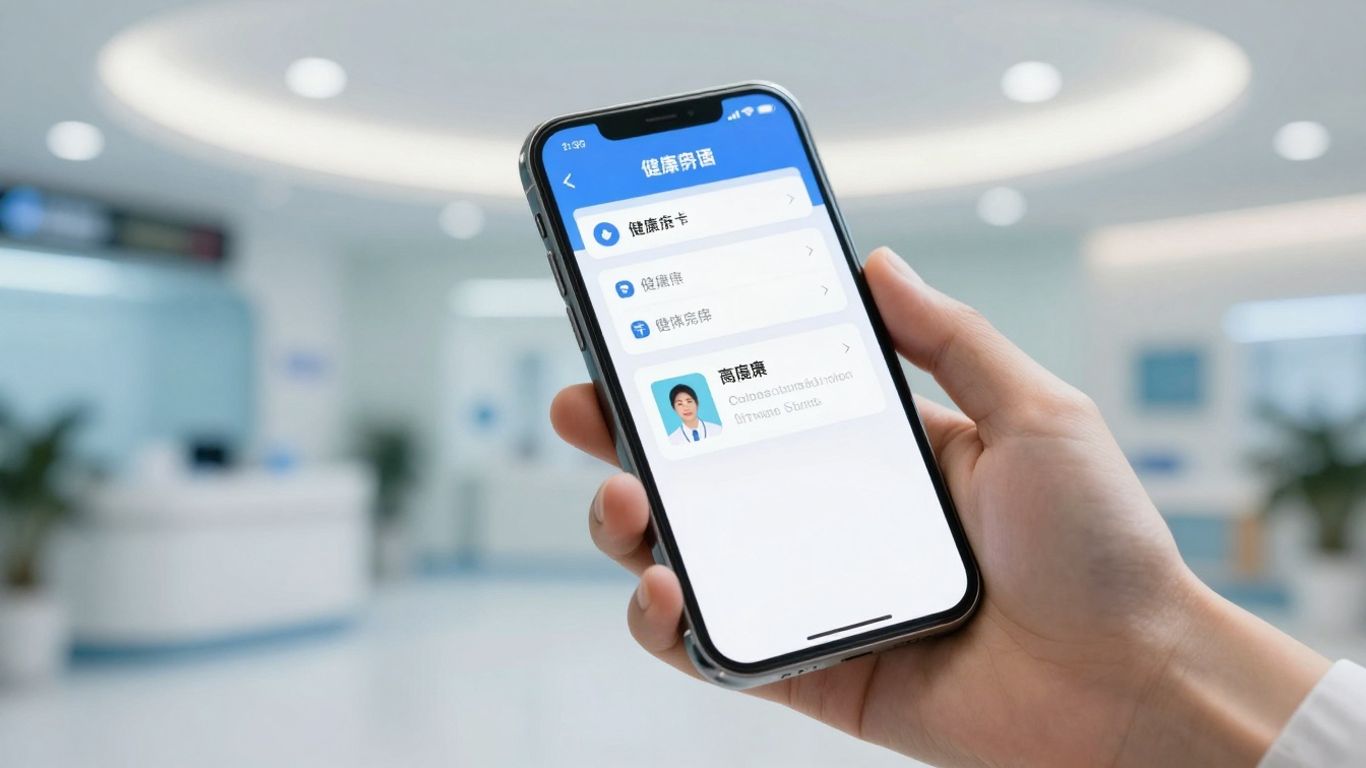
So, what’s next for these digital health care cards? It’s pretty exciting stuff, honestly. We’re looking at a future where these cards aren’t just for swiping into a building or showing your insurance. They’re becoming even more integrated, more intelligent, and frankly, more essential to how healthcare works.
The Role Of eSIMs In Connected Healthcare
Think about your phone. You probably don’t have a physical SIM card anymore, right? That’s an eSIM. Now, imagine that same technology in your health care card. Instead of a physical chip on a card, the identity and security features are built right into the device itself, or even into a secure element within a wearable. This means fewer physical things to lose or damage. eSIMs allow for dynamic provisioning, meaning your health care credentials can be updated remotely and instantly, without needing a new card. This is a game-changer for things like temporary access for visiting specialists or updating insurance information on the fly. It makes the whole system much more flexible and responsive.
Addressing Data Security Challenges
We all worry about our personal information, especially health data. As these cards get more advanced, so do the ways people might try to get at that data. The trend is towards even stronger encryption, multi-factor authentication that goes beyond just a PIN, and maybe even biometric checks tied to the card or the device it’s on. We’re talking about things like:
- Decentralized Identity: Instead of one central database holding all your info, your identity and health records could be managed in a more distributed way, giving you more control.
- Zero-Trust Architecture: This means no one is trusted by default, even if they’re already inside the network. Every access attempt is verified.
- Advanced Cryptography: Using newer, more complex encryption methods that are harder to break, even with future computing power.
The push is to make sure that while these cards become more connected and convenient, they also become inherently more secure, building trust with both patients and providers.
The Growing Importance Of IoMT Principles
IoMT stands for the Internet of Medical Things. It’s about connecting medical devices and systems to the internet to collect and share data. Digital health care cards are going to be a key part of this. Imagine your smart watch, your blood pressure monitor, and your digital health care card all talking to each other securely.
- Your card could grant access to your medical devices for a doctor during a remote consultation.
- Data from your wearable could be securely linked to your health record via your digital card’s authentication.
- Emergency services could potentially access critical health information through your authenticated digital card in a crisis.
This interconnectedness promises more proactive and personalized care, but it also means the digital health care card has to be a robust, secure gateway for all this information flow.
Looking Ahead: A Smarter, Safer Healthcare System
So, we’ve talked a lot about how these digital health cards are changing things. It’s not just about having a card anymore; it’s about making healthcare safer and easier to get to. From keeping patient info locked down tight to letting doctors and nurses get where they need to go without a hassle, these cards are a big deal. As more places start using them, we’re going to see a healthcare system that’s more connected and, honestly, just works better for everyone. It’s a step towards a future where technology helps us all stay healthier.
Frequently Asked Questions
What exactly is a digital health care card?
Think of a digital health care card like a special ID card for your health information. Instead of just a piece of plastic, it’s a smart card with a tiny computer chip. This chip can securely store important details about you and help you get into different parts of a hospital or access your health records safely.
How do these digital cards make getting healthcare easier?
These cards make things much smoother! They can be used to quickly unlock doors to places like doctor’s offices or labs, so authorized staff can get where they need to be without hassle. Plus, some cards can be used without even touching a reader, which is super fast and helps keep things clean, especially in busy places.
Are my health details safe with these digital cards?
Absolutely. These cards are designed with strong security. They use special codes to make sure only the right people can see your private health information. It’s like having a secret handshake that only you and the system know, protecting your data from falling into the wrong hands.
Can I use my phone with these digital health cards?
Yes, that’s a big part of it! Some of these digital cards can work with your smartphone. This means you might be able to use your phone to get into places or access your health information, making it even more convenient to manage your care on the go.
What’s special about smart SIM cards in healthcare?
Smart SIM cards are like super-powered versions of the SIM cards in your phone. In healthcare, they help doctors and nurses stay connected securely, even when they’re far away. They make sure communication is safe and help manage the devices healthcare workers use, so everything runs smoothly and securely.
What’s next for digital health care cards?
The future looks really smart! We’ll likely see even more devices connecting to healthcare systems, like wearable fitness trackers or remote monitoring tools. These digital cards will be key to keeping all that information secure and making sure healthcare can reach you wherever you are, making it easier and safer for everyone.