Philips Healthcare Middle East & Turkey: Driving Connected Patient Care
It’s pretty wild how much healthcare has changed, especially with all the new tech. Philips is really pushing this idea of ‘connected patient care’ across the Middle East and Turkey. Basically, they’re trying to link up patients, doctors, and nurses, no matter where they are – whether that’s in a hospital bed or at home. The goal is to make sure everyone has the right information when they need it, which should make things run smoother and make both patients and the healthcare staff happier. Plus, it’s supposed to help manage resources better, which is a big deal these days.
Empowering Healthcare Providers with Real-Time Insights
Think about it: doctors and nurses are swamped. Having instant access to patient data, like vital signs or test results, can make a huge difference in how quickly they can make decisions. Philips is working on systems that pull all this information together, so it’s not scattered across different places. This means they can spot problems earlier and react faster. It’s like giving them a clearer picture of what’s going on with each patient, all in one place.
- Centralized Data Access: Information from various sources is brought together.
- Early Problem Detection: Helps identify potential issues before they become serious.
- Improved Decision Making: Provides clinicians with the data needed for confident choices.
The constant stream of health data generated today can really transform how care is given. It’s about using this information to make smarter choices, moving away from just treating sickness to actually promoting health.
Seamless Patient and Caregiver Connectivity
Remember when you had to call the doctor’s office and wait on hold forever? Or when you couldn’t get a clear answer about your loved one’s condition? Connected care aims to fix that. Philips is developing ways for patients to easily share updates and for caregivers to stay in touch, even if they’re miles apart. This is especially important for people with ongoing conditions who need regular check-ins. It makes the whole process less stressful and more collaborative. This kind of connection is key to making sure patients get the right support, no matter their situation. We’re seeing this in action with systems that allow for remote consultations and monitoring, making healthcare more accessible.
Optimizing Critical Resources for Enhanced Outcomes
Hospitals and clinics often struggle with limited staff and equipment. Connected care solutions from Philips are designed to help make the most of what’s available. By having better insights into patient needs and workflows, hospitals can allocate staff more effectively and use equipment more efficiently. For example, systems that can remotely monitor patients in intensive care units mean that a specialized team can oversee more patients, providing support to bedside staff. This not only helps manage scarce resources but also aims to improve the quality of care and patient safety. It’s about working smarter, not just harder, to get the best results for everyone involved. The installation of the 5000th Zenition mobile C-arm system is a good example of how Philips is putting advanced equipment into use worldwide to improve patient treatment.
Innovations in Telehealth and Remote Monitoring

Next-Generation Telehealth Solutions
Telehealth isn’t exactly new, but the way we’re using it now is changing fast. Philips is pushing the boundaries here, making it possible to give care wherever a patient happens to be. Think about using patient data from all stages of their health journey to spot problems early. Virtual care can keep an eye on lots of different patients, making sure they get good care while also helping staff work smarter.
Extending Care Beyond Hospital Walls
This is where things get really interesting. We’re seeing new ways to deliver care that don’t require someone to be physically in a hospital. For example, imagine small health kiosks popping up in places like shopping malls. These could offer a range of services, from quick check-ups to virtual doctor visits. It’s all about making healthcare more accessible and convenient. Wearable tech and smart data analysis play a big part in making this work, connecting different parts of the healthcare system.
AI-Enabled Early Warning Scoring for Deteriorating Patients
Keeping track of patients on a regular hospital floor can be tough. There’s a wide mix of people with different health issues, and sometimes patients get worse unexpectedly. Plus, nurses are often stretched thin. Philips is using artificial intelligence to help with this. AI can look at patient data and flag those who might be heading for trouble, giving doctors and nurses a heads-up so they can step in sooner. It’s like having an extra layer of watchful eyes.
The idea is to make healthcare more flexible and reach more people, especially when resources are tight or unexpected events happen. By connecting different services and using smart technology, we can adapt more easily to changing needs.
Here are a few examples of how this is being put into practice:
- Tele-critical care: Specialized teams can remotely monitor patients in intensive care units across different hospitals. This means expert advice is available even when specialists aren’t physically present.
- Tele-radiology: Medical images can be sent from one location to another for expert review. This speeds up diagnosis and helps doctors decide on the next steps for patient care.
- Retail health applications: Using connected kiosks or pods in public spaces to provide basic health services and virtual consultations, making care more convenient for everyday needs.
Transforming Diagnosis and Treatment with Advanced Technology
Elevating Diagnostic Confidence with Intelligent Tools
Getting the right diagnosis quickly is a big deal in healthcare. Philips is working on tools that help doctors feel more sure about what they’re seeing. Think of it like having a super-smart assistant that points out things you might miss. These systems use smart computer programs, sometimes called AI, to look at medical images like X-rays or CT scans. They can highlight areas that look unusual, helping doctors focus their attention where it’s needed most. This isn’t about replacing the doctor’s judgment, but about giving them more information and a clearer picture to make the best decisions for patients.
Revolutionary Visual Patient Avatar for Data Interpretation
Imagine being able to see all the important information about a patient laid out in a 3D model. Philips is exploring ways to create what you could call a ‘visual patient avatar.’ This isn’t a real person, but a digital representation that pulls together data from different sources – like scans, lab results, and patient history. Instead of looking at stacks of paper or separate computer screens, doctors could see a unified view. This could make it much easier to understand complex cases and how different parts of a patient’s health connect. It’s about making complicated data easier to grasp at a glance.
Advanced Ultrasound Systems for Diverse Clinical Needs
Ultrasound machines have come a long way. Philips has developed a range of ultrasound systems designed for different medical situations. For example, they have systems that are easy to use and carry around, good for quick checks at a patient’s bedside. Then there are more advanced systems used for detailed scans in areas like heart health, pregnancy, and general imaging. These machines are built to work well with other Philips equipment, making it simpler for hospitals to manage their technology. The goal is to provide clear images and reliable results, no matter the clinical setting.
Making sense of medical data is getting more complex. By creating smarter tools and new ways to visualize information, Philips aims to help healthcare professionals make more confident diagnoses and plan treatments more effectively. It’s about using technology to simplify complex problems and improve patient care.
Commitment to Healthcare Transformation in the Region
Addressing Future Healthcare Needs in Africa and Beyond
Thinking about what’s next in healthcare for places like Africa and other developing regions is a big deal. It’s not just about fixing problems when they pop up; it’s about building systems that can handle whatever comes their way, especially after seeing what the pandemic did. This means looking at new ways to get care to people, like using more virtual tools and making sure information can move around easily between different places.
Partnership Models for Sustainable Healthcare Advancement
We’re seeing a shift towards working together more. Instead of everyone doing their own thing, there’s a move to combine resources and knowledge. This is where ideas like "Healthcare-as-a-Service" (HaaS) come in. It’s like a subscription for healthcare services, making it easier for providers to get what they need without huge upfront costs. This flexible approach helps make care more available and adaptable, especially when unexpected events happen.
Here are some key aspects of this partnership approach:
- Shared Resources: Pooling equipment and staff to cover more ground.
- Flexible Service Models: Paying for services as they are used, rather than owning everything.
- Co-created Solutions: Technology companies and healthcare providers working together to build new tools.
- Scalability: The ability to easily grow or shrink services based on demand.
The idea is to create a healthcare system that’s ready for the future, able to adapt to new challenges and provide care where and when it’s needed most, without straining existing resources. It’s about making healthcare more accessible and reliable for everyone.
Enhancing Medical Services in Alignment with Regional Visions
Every region has its own goals for healthcare, and Philips is working to support those. This involves understanding what local leaders want to achieve and then bringing in technology and ideas that fit. It’s about making medical services better and more available, keeping in mind the specific needs and plans of each area. This could mean improving access to specialized care, making diagnostic tools more widespread, or simply making the patient experience smoother. It’s a collaborative effort to build stronger, more responsive healthcare systems across the Middle East, Turkey, Africa, and beyond.
Leveraging Data for Improved Quality of Care
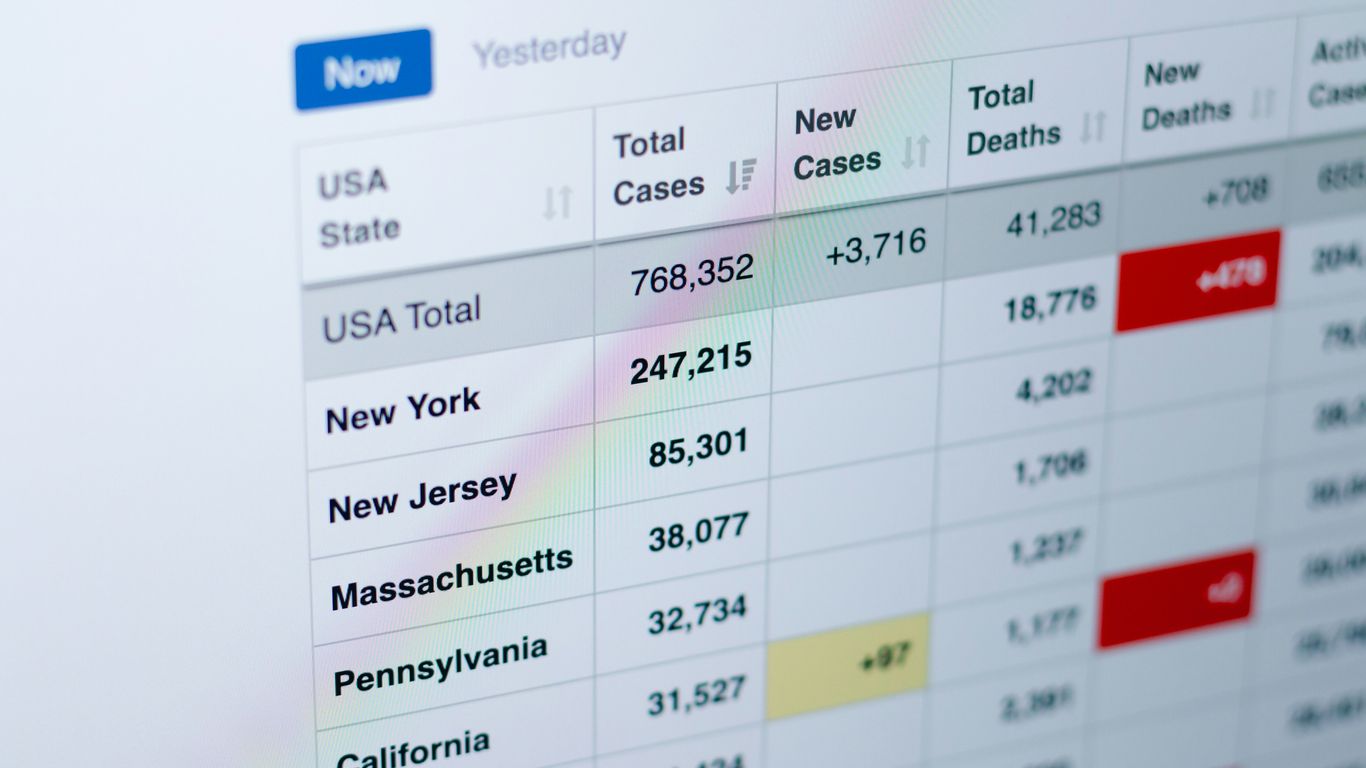
Healthcare systems today are constantly creating and using huge amounts of information. This data spans the entire health journey, from staying healthy and preventing illness to getting precise diagnoses, personalized treatments, and even care at home. When this cycle repeats, it starts all over again. This information has the power to change how systems work, give people more control, and provide the insights needed to make better choices for better care. It can also help make the whole system stronger, shifting the focus from just treating sickness to promoting true health.
Holistic View of the End-to-End Patient Journey
It’s really important to look at the whole patient journey, from start to finish, in a connected way. To move care forward, we need to make data accessible, break down barriers, and give people the tools to use that data effectively. This means seeing the patient’s health story as one continuous path, not just a series of separate events. By connecting different parts of the care process, we can spot potential issues earlier and make sure patients get the right support at the right time.
Unleashing Data for Meaningful Insights
Getting health informatics right is about turning raw data into useful information. This helps us understand what’s really going on with patient health and identify areas where we can improve. For example, Philips’ IntelliVue Guardian Solution uses smart vital sign monitoring and an automated early warning system. It can spot subtle signs of a patient’s condition worsening, sometimes hours before a serious event. This allows caregivers and response teams to step in sooner, potentially reducing the need for ICU transfers and improving patient outcomes. The Turkish medical devices and diagnostics market, valued at USD 3.5 billion, is seeing growth driven by an increasing elderly population and rising healthcare expenditures, making data-driven insights even more important [4dd6].
Transforming Healthcare Systems Through Health Informatics
Turning data into actionable insights is key to transforming healthcare systems. This involves several steps:
- Data Integration: Bringing together information from various sources, like patient monitors, electronic health records, and even remote devices.
- Advanced Analytics: Using tools, including artificial intelligence, to find patterns and predict potential problems.
- Actionable Alerts: Creating systems that notify healthcare providers when intervention is needed, allowing for timely responses.
- Performance Monitoring: Tracking how changes in care delivery affect patient outcomes and system efficiency.
Making health informatics work means looking at the entire patient experience. It’s about connecting the dots between different care settings and using the information gathered to make smarter decisions. This approach helps move healthcare towards a more proactive and preventative model, rather than just reacting to illness.
Philips is actively developing solutions that bring the power of connected care to life. These include interoperable IT systems, cloud-based platforms, and telehealth capabilities. Innovations like the Philips eICU program allow specialized critical care teams to remotely monitor multiple ICU locations, exchanging health information in real-time. This provides extra support for bedside teams, especially when clinical resources are stretched thin. This collaborative model helps expand access to specialized care, particularly in remote areas, and changes the cost-effectiveness of care delivery.
Frequently Asked Questions
What is Philips doing to make healthcare better in the Middle East and Turkey?
Philips is bringing new technologies to the region to help doctors and nurses give patients the best possible care. They are focusing on connecting patients and caregivers, using smart tools for diagnosis, and making healthcare more efficient so more people can get the help they need.
How does Philips use technology to improve patient care?
Philips uses technology to connect different parts of healthcare, like hospitals and homes. This helps doctors get important information right away, allows patients to be cared for at home when possible, and uses smart systems to alert staff if a patient’s condition gets worse.
What is ‘connected patient care’?
Connected patient care means making sure patients, their families, and their healthcare team can easily share information and work together, no matter where they are. It’s about making the whole process of getting care smoother and more efficient.
How does Philips help doctors make better diagnoses?
Philips is creating smart tools that help doctors interpret medical images and data more accurately. They also have systems that show patient information in a simple, visual way, making it easier for doctors to understand what’s happening and make the right decisions.
What is telehealth, and how does Philips use it?
Telehealth is like having a doctor’s visit using technology, such as video calls. Philips uses telehealth to let doctors care for patients even when they aren’t in the same room, helping to reach more people and provide care outside of traditional hospital settings.
Why is data important in healthcare, according to Philips?
Philips believes that the information gathered during a patient’s health journey can be used to make healthcare much better. By understanding this data, they can help turn healthcare systems into ones that focus on keeping people healthy, not just treating sickness.